 Discover all about Turkish People & Turkey! The most detailed information about Turkish Culture & Turkey, contents, topics of interest & much more…
Why Turkish Series Are So Popular Worldwide: A Cultural Deep Dive into the Dizi Phenomenon

I still find it amazing. You can be sitting in a cafe in Buenos Aires, a living room in Madrid, or a taxi in Dubai, and suddenly, you hear a familiar tune. It’s the soundtrack of a Turkish series. People from completely different cultures are glued to their screens, crying over a heartbreak in Istanbul or cheering for an Ottoman warrior.
How did this happen? How did Turkish shows, or as we call them, “Dizi,” become a massive global phenomenon?
I watch these shows, and I see my own culture. I see the familiar glasses of black tea. I see the tight family bonds, the noisy dinner tables, and the beautiful streets of my country. But why does someone in Mexico or Spain feel the exact same connection? That is the real magic. We are not just exporting TV shows. We are sharing raw human emotions. Let’s figure out this global craze together.

Why Are Turkish Series So Popular?
Turkish TV series are popular worldwide because of their emotional storytelling, strong family values, high production quality, and slow-burn romance that feels more realistic than many Western shows.
Their ability to combine universal human emotions with unique cultural elements makes them relatable to audiences across Latin America, Europe, the Middle East, and beyond. Now we will examine the details of this matter.
The Secret Recipe: Slow Burn and High Emotions
Let’s talk about the secret recipe behind this success. First of all, Turkish series take their time. Western shows usually rush into things. Boy meets girl, and in the next episode, they are already together. In a Dizi, they might not even hold hands for twenty episodes!
We call this the slow burn. The tension builds up slowly and carefully. You wait for that one meaningful look. You wait for a simple touch on the shoulder. When they finally confess their feelings, it makes the romance feel earned and incredibly real. It reminds people of old-school, innocent romance. The kind of romance where a single glance means everything.
Another big factor is the family dynamic. In many American or European shows, the focus is purely on the individual. The hero is usually alone, fighting the world. In Turkey, family is everything. The mother’s approval matters deeply. The neighborhood gossips matter. The grandfather sitting at the head of the dinner table has the final word.
People around the world actually miss this sense of community. They watch a Turkish series and feel like they belong to that big, noisy, loving family on screen. They see the respect shown to elders and feel a sense of nostalgia.

The Unique Dizi Format: A Movie-Length Episode Every Week
If you are new to Turkish TV, you need to understand the format. A standard Turkish episode is over two hours long. Yes, you read that right. Every single week, the production teams shoot what is basically a full-length feature film.
The production quality is insane. The camera work is stunning. They do not use cheap, plastic studio sets. When you watch a show filmed in a “Yalı” (a traditional Bosphorus waterfront mansion), you are looking at real, breathtaking luxury. The views of the Bosphorus, the seagulls, the ferries crossing the water—Istanbul itself becomes the main character of the story.
Then, there is the music. The soundtracks of Turkish shows are legendary. Composers like Toygar Işıklı create orchestral, emotional music that stays in your head for days. Every character has their own theme song. When a sad scene comes up, the music hits you right in the heart before the actors even speak.

How Turkish Series Became Popular Around the World
The global conquest of Turkish series did not happen overnight. It spread region by region. Let’s take a look at how different parts of the world fell in love with the Dizi.
The Middle East: Here, the boom started early. Shows like Gümüş (Noor) broke all viewing records. People loved seeing a modern, Muslim country where women were strong business leaders and families lived in beautiful modern homes. It was relatable, yet highly aspirational. Then, the historical epic Muhteşem Yüzyıl (Magnificent Century) changed the game entirely. Suddenly, everyone wanted to know about the Ottoman Empire. Families from the Balkans to the Arab world sat together, debating the harsh decisions of Sultan Suleiman.
Latin America: This was the biggest surprise. When Binbir Gece (1001 Nights) aired in Chile, it caused a massive cultural wave. People literally started naming their babies Onur and Şehrazat. But why did Latinos love it so much? Because Turkish shows brought back the pure, emotional melodrama that classic Latin telenovelas used to have. But they did it with much higher production values and more conservative boundaries. It was safe to watch with the whole family. You could sit with your grandmother and your kids and enjoy a dramatic love story without suddenly feeling awkward.
Europe: Spain and Italy are currently obsessed. Turkish actors like Can Yaman and Kerem Bürsin cannot even walk down the street in Rome or Madrid without causing a traffic jam. Mobs of fans wait for them at the airports. European TV channels now broadcast Turkish romantic comedies in prime time slots. The European audience loves the lighthearted humor, the beautiful summer locations, and the undeniable chemistry between the lead actors.
What You Learn About Turkish Culture from Dizi
Let’s talk about the cultural reflections. What do you actually learn about Turkey when you watch these shows? A lot, actually. You get a crash course in our daily lives.
Tea is the Answer to Everything: You quickly learn that black tea (çay) is the solution to all life problems. Are you sad? Drink tea. Are you happy? Drink tea. Are you having a serious, life-changing business meeting? Someone will definitely bring tea in a small, tulip-shaped glass. It is the ultimate symbol of sharing and talking.
The Legendary Turkish Breakfast: You will also see the famous weekend breakfast scenes. The table is entirely covered with small plates. Olives, multiple types of cheese, tomatoes, cucumbers, honey, clotted cream (kaymak), and eggs with spicy sausage (sucuk). These scenes make viewers all over the world incredibly hungry. It shows that eating is not just about feeding yourself; it is a celebration of being together.
Hospitality and Open Doors: You learn about our hospitality. The doors are always open to guests. Even if a family is poor, they will offer their best food to a visitor. You see the vibrant street life. You see the simit sellers pushing their red carts. You see the stray cats and dogs being fed and loved by the neighborhood shopkeepers. It paints a very warm picture of society.
Modernity vs. Tradition: You also see the beautiful contrast of modern and traditional Turkish life. This is the true heart of Turkey. You have a character driving a luxury sports car, holding the latest smartphone, but he still kisses his mother’s hand and touches it to his forehead out of respect. You have strong, independent businesswomen who still care deeply about neighborhood traditions. This mix is fascinating for foreign viewers. It shows that a society can modernize without losing its cultural roots.

Popular Turkish Drama Tropes That Keep Viewers Hooked
Turkish scriptwriters are masters of the classic story tropes. They know exactly what keeps the audience coming back for more.
There is the classic “Rich Boy, Poor Girl” story, but done with deep emotional layers. There is the “Enemies to Lovers” trope, where two people who cannot stand each other are forced to work together, slowly falling in love. And of course, there is the “Contract Marriage.” Two people marry for business or family reasons, sleep in separate rooms, and slowly realize they cannot live without each other.
We know these formulas. We know how the story will end. But we do not watch for the destination; we watch for the journey. We watch to see exactly how he will look at her when he finally realizes he loves her. We watch for the perfectly timed rainstorm that forces them to take shelter together. It is a comforting escape from reality.

The Real World Impact: Tourism and Language
This TV phenomenon is not just about entertainment anymore. It is a massive economic power. It is our greatest soft power.
The impact on tourism is crazy. People are no longer traveling to Istanbul just to see the Blue Mosque or the Hagia Sophia. Travel agencies now offer special “Dizi Tours.” They take fans to the historical peninsula to see the locations of Resurrection: Ertuğrul. They take them to the Asian side, to charming neighborhoods like Kuzguncuk, where many warm family comedies are filmed.
Tourists want to eat the exact kebabs they saw on TV. They go to the Grand Bazaar specifically to buy the silver ring the lead actor wore. I know people who travel all the way from Brazil to Istanbul just to find the cafe where their favorite characters had their first date.
And then there is the language. Because of these shows, millions of people are learning Turkish. Fans start picking up words naturally. You will see comments on social media from people in Mexico or India saying “Tamam” (Okay), “Günaydın” (Good morning), “Allah Allah” (Oh my God), and “Maşallah”. They are learning the melody of our language without ever opening a grammar book. Check: Untranslatable Turkish Words
The Rise of Psychological Dramas
Of course, the industry is evolving. It is not just about romance and history anymore. Recently, Turkish psychological dramas have become the new big thing.
Shows based on real therapy sessions, like Masumlar Apartmanı (The Innocents) or Kırmızı Oda (The Red Room), showed a completely different side of society. They talked openly about childhood trauma, mental health, domestic issues, and the difficult process of healing.
These shows proved that the Turkish television industry can do deep, meaningful storytelling. They do not have to rely only on handsome actors and glamorous Bosphorus mansions. They can look into the dark corners of the human mind, and the audience will still follow them.
Best Turkish Series to Watch (Where to Start)
If you are totally new to this world and feel overwhelmed, do not worry. Here is a quick, personal guide on where to start based on what you like:
- If you want to see where the global historical craze started: Muhteşem Yüzyıl (Magnificent Century) is the ultimate pioneer. It takes you straight into the golden age of the Ottoman Empire. You don’t just watch wars and conquests. You witness the intense power struggles, the breathtaking costumes, and the legendary palace intrigues of Hürrem Sultan. It is the exact show that made the whole world look at Turkish history with pure fascination.
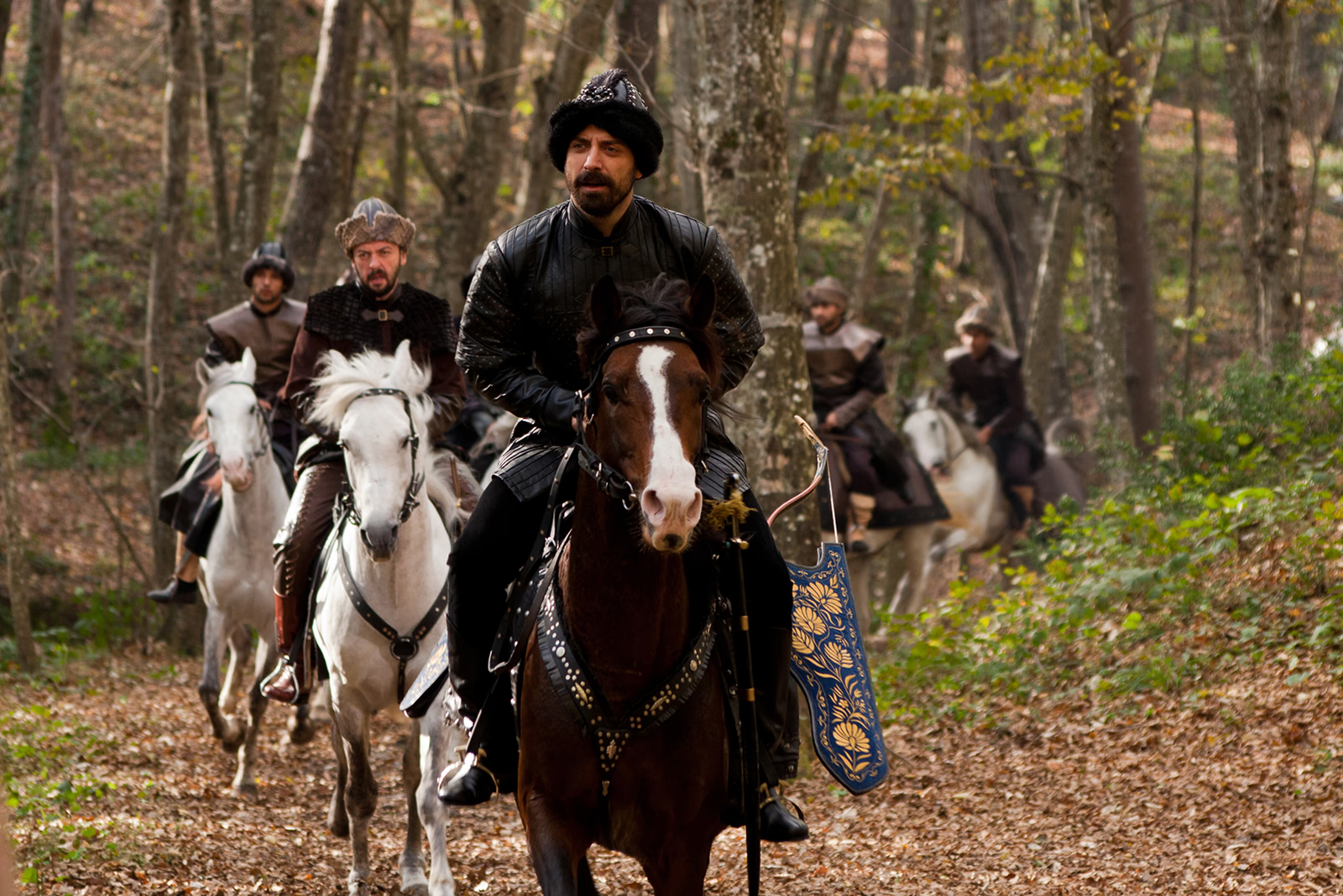
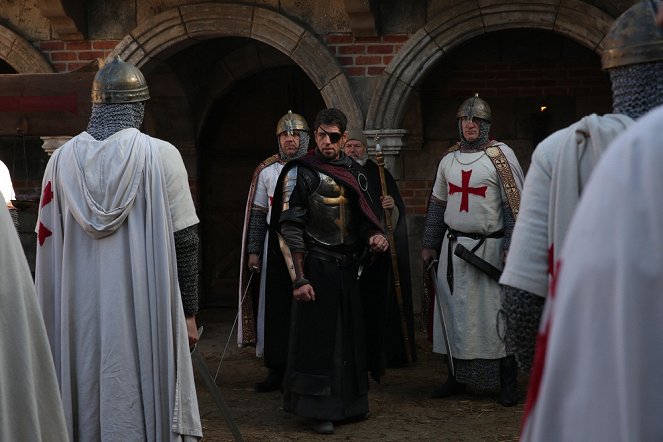
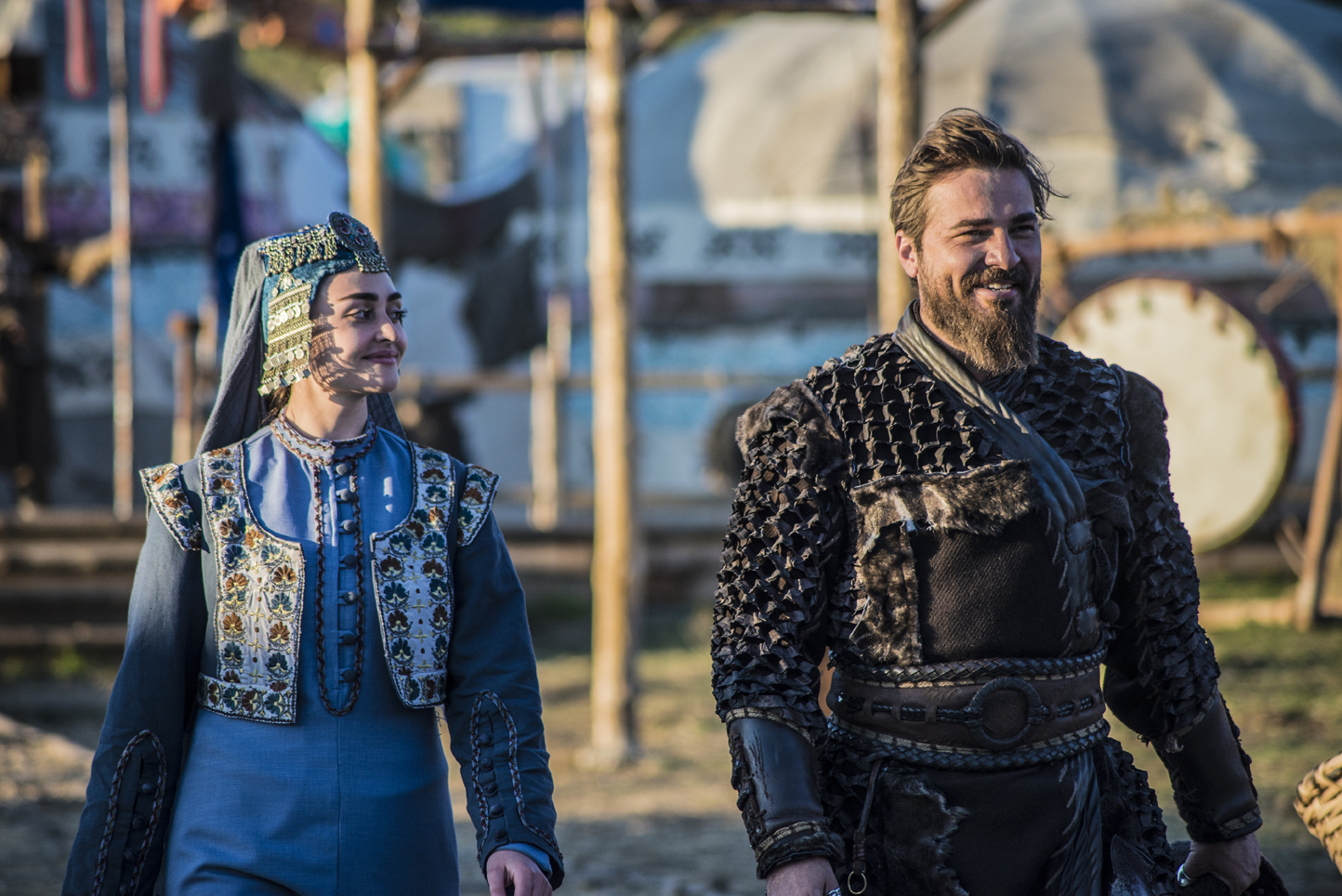
- If you like epic history and battles: Diriliş: Ertuğrul (Resurrection: Ertugrul) is an absolute must. It is about the father of the founder of the Ottoman Empire. It has been dubbed the “Turkish Game of Thrones” for a good reason. It is packed with honor, sword fights, and horseback riding.
- If you want pure drama, rich families, and secrets: Aşk-ı Memnu (Forbidden Love) is a classic. It is a tragic, beautiful story that defined an entire era of Turkish television. For something more modern in this genre, Yalı Çapkını (Golden Boy) is currently breaking the internet with its intense family conflicts.
- If you love a feel-good romantic comedy: Sen Çal Kapımı (Love is in the Air) or Erkenci Kuş (Daydreamer) will make you smile for days. They are colorful, funny, and feature incredible chemistry between the leads. Perfect for a relaxing weekend watch.
- If you want a epic love story: Kara Sevda (Endless Love) is the one. I have to warn you, it is deeply emotional. It is the first Turkish series to win an International Emmy Award. You watch two people from completely different worlds fight for an impossible love. The acting of Burak Özçivit and Neslihan Atagül is just incredible. You will definitely need a box of tissues for this one.
- If you want action and street culture: Çukur (The Pit) is legendary. It is about a powerful family controlling a tough neighborhood in Istanbul. It has brotherhood, amazing action scenes, and a soundtrack that you will listen to on repeat.
- If you want a dark, mind-bending crime thriller: Şahsiyet (Persona) will blow your mind. This is not your typical romance. It is a short, fast-paced mini-series about a retired man who gets diagnosed with Alzheimer’s. He decides to become a serial killer to punish bad people before his memory fades completely. Haluk Bilginer won an Emmy for his amazing acting here. It is dark, smart, and keeps you guessing until the very last second.
- If you want the newest obsession with massive stars: Eşref Rüya (Eshref Ruya) is the show everyone is talking about right now. It brings together two of Turkey’s biggest names: Çağatay Ulusoy and Demet Özdemir. I have to admit, I was hooked from the very first scene. It is a perfect mix of mafia action and dangerous romance. Çağatay plays Eşref. He is a powerful underworld boss. He is desperately searching for his childhood love. He just calls her “Rüya” (Dream). Then he meets a beautiful musician named Nisan. He falls hard for her. But there is a huge twist. Nisan is actually a police informant. She is working to bring him down. The chemistry between them is absolutely electric. You will bite your nails watching them fall in love. They are both hiding such dark secrets. The production quality is insane. It is completely taking over Prime Video right now. You really need to add this to your watchlist.

The Sincerity Factor
I personally believe the real secret to this global phenomenon is sincerity.
Despite the sometimes crazy plot twists, the glamorous settings, and the dramatic music, the core emotions are very raw and honest. When a character in a Turkish show cries, they really cry. The actors do not hold back to look pretty for the camera. The anger, the love, the deep sorrow of a mother, the fierce loyalty of a brother—it all feels very visceral.
In a modern world where a lot of Western entertainment feels plastic, cynical, or too focused on special effects, Turkish shows are unafraid to be deeply, unapologetically emotional. They give adults permission to feel things deeply again.

A Bright Future
The future looks incredibly bright for the Turkish Dizi industry. Global streaming platforms like Netflix, Amazon Prime, and Disney+ are now investing heavily in Turkish originals. These new digital shows are usually shorter, around eight episodes, and they move at a much faster pace. They tell different types of stories—sci-fi, mystery, dark thrillers—and reach a completely new audience.
But make no mistake; the traditional, long-format television series is still the beating heart of this phenomenon. The ritual of sitting down on a specific night of the week to watch a two-hour episode is still going strong.
As long as people crave pure romance, complex family drama, and beautiful scenery, Turkish actors will continue to be global superstars. The streets of Istanbul will continue to be the backdrop for the world’s favorite love stories.
So, the next time you are scrolling through channels or browsing a streaming platform and you see a Turkish series, give it a try. Just a fair warning from me to you: it is highly addictive.
You might start with just one episode to see what all the hype is about. You will tell yourself you are just going to watch for ten minutes. Before you know it, you will be wide awake at 3 AM, drinking your own cup of tea, crying your eyes out because two characters finally looked at each other after 30 episodes.
Welcome to the club. Enjoy the ride.