 Discover all about Turkish People & Turkey! The most detailed information about Turkish Culture & Turkey, contents, topics of interest & much more…
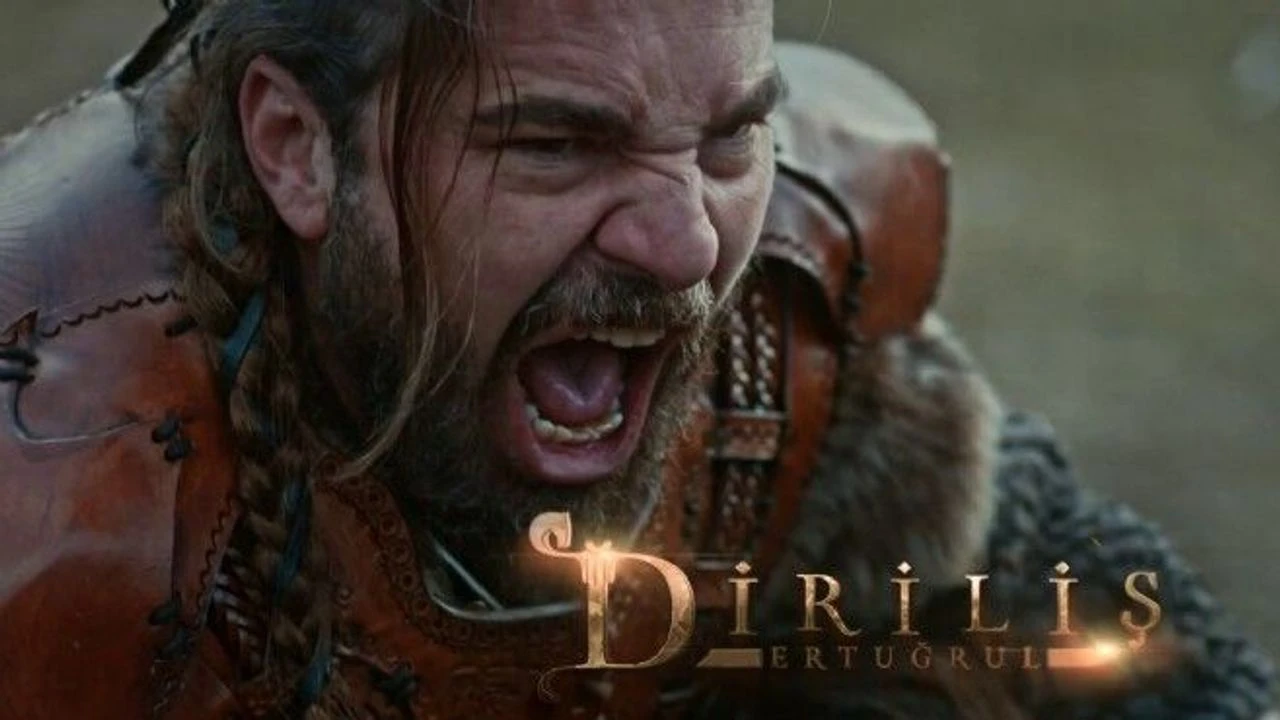
If you haven’t heard of Diriliş: Ertuğrul (Resurrection: Ertugrul) yet, you might be living under a very large, non-digital rock. Often called the “Muslim Game of Thrones” this show didn’t just break records in Turkey — it became a global obsession from Central Asia to South America.
But why did a story about a 13th-century nomad and his tribe pull in hundreds of millions of viewers? Is it the sword fights and the epic music, or is there something deeper going on? Here’s everything you need to know about the man, the myth, and the series that changed Turkish TV forever.
The Plot: From a Nomad’s Tent to the Foundation of an Empire
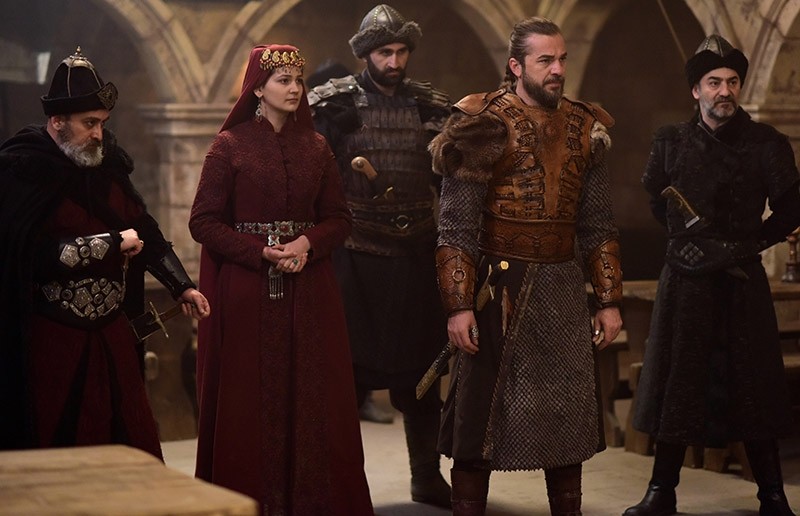
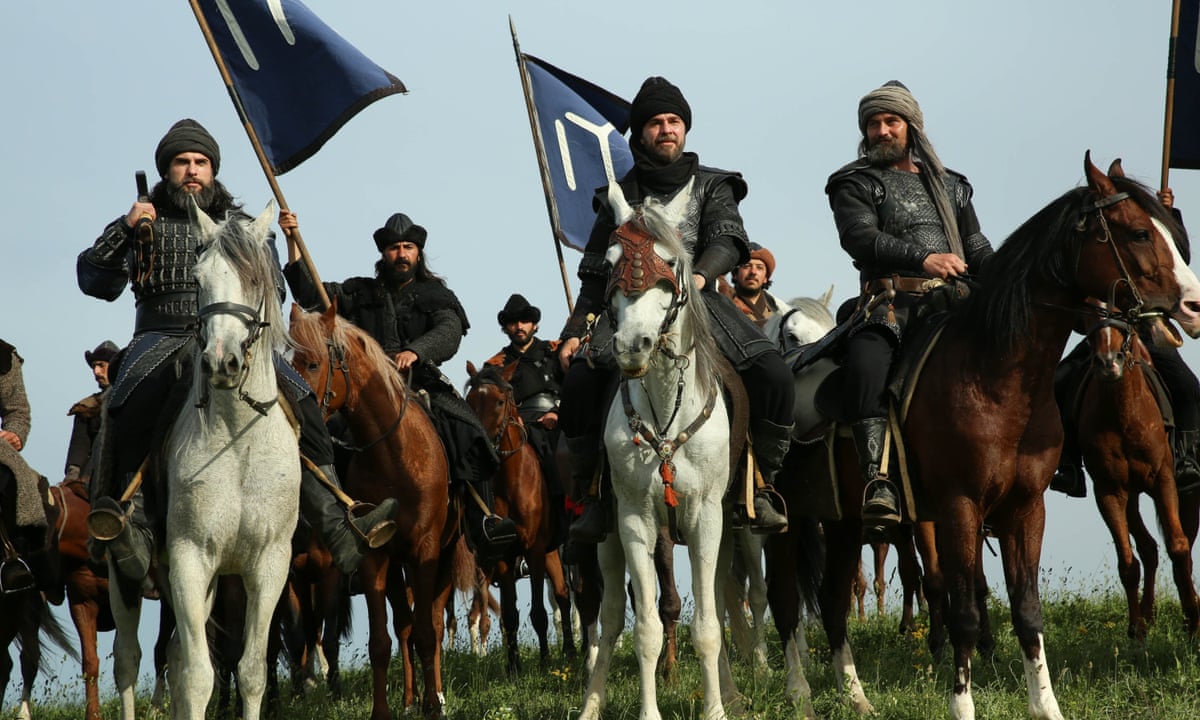
The series starts with a deceptively simple premise: a small tribe of 400 tents, the Kayı, is looking for a place to call home. Squeezed between the brutal Mongol invasions from the East and the dying but still dangerous Byzantine Empire in the West, their options are running out fast.
At the center of it all is Ertuğrul Bey, the son of Suleyman Shah. He isn’t trying to build a world-spanning empire at first — he just wants to find a piece of land where his people won’t starve or be slaughtered. But his sense of justice and his faith gradually turn him into a leader who unites tribes and lays the spiritual and physical foundations for what would eventually become the Ottoman Empire.
Season by Season
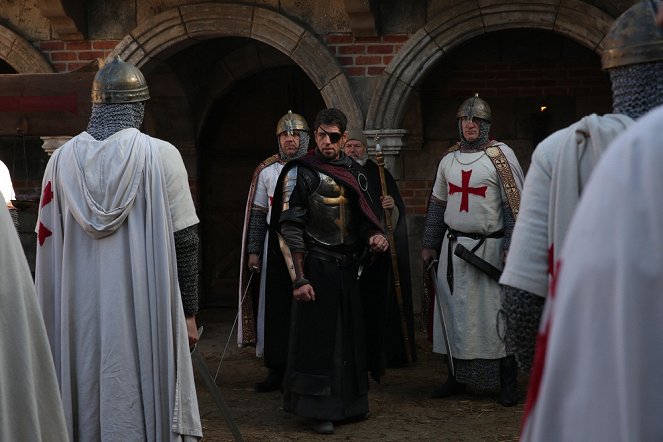
Season 1 is all about the Knights Templar and the struggle for a homeland near Aleppo. Season 2 introduces the Mongols — it’s darker, grittier, and gives us the legendary villain Noyan. By Season 3, the Kayı tribe has moved to the Byzantine border, and the show becomes a slow-burn game of spies, markets, and gold. Season 4 raises the stakes further as Ertuğrul battles internal traitors alongside the ultimate Mongol threat. Season 5 is more reflective — a more mature Ertuğrul preparing his son, Osman, for the future that awaits him.
Why Is Everyone Obsessed?
You might wonder why people binge-watch 150 episodes, each roughly two hours long. The action is part of it, but that’s not the whole story.
In most modern shows, heroes are “dark” or “morally grey” — it’s almost become a requirement. Ertuğrul breaks that mold entirely. He’s a man of unshakable principles who sticks to his word and fights for the oppressed even when it costs him. In a world that feels chaotic, that kind of leadership is genuinely refreshing to watch. It’s aspirational in a way that very few contemporary characters manage to be.
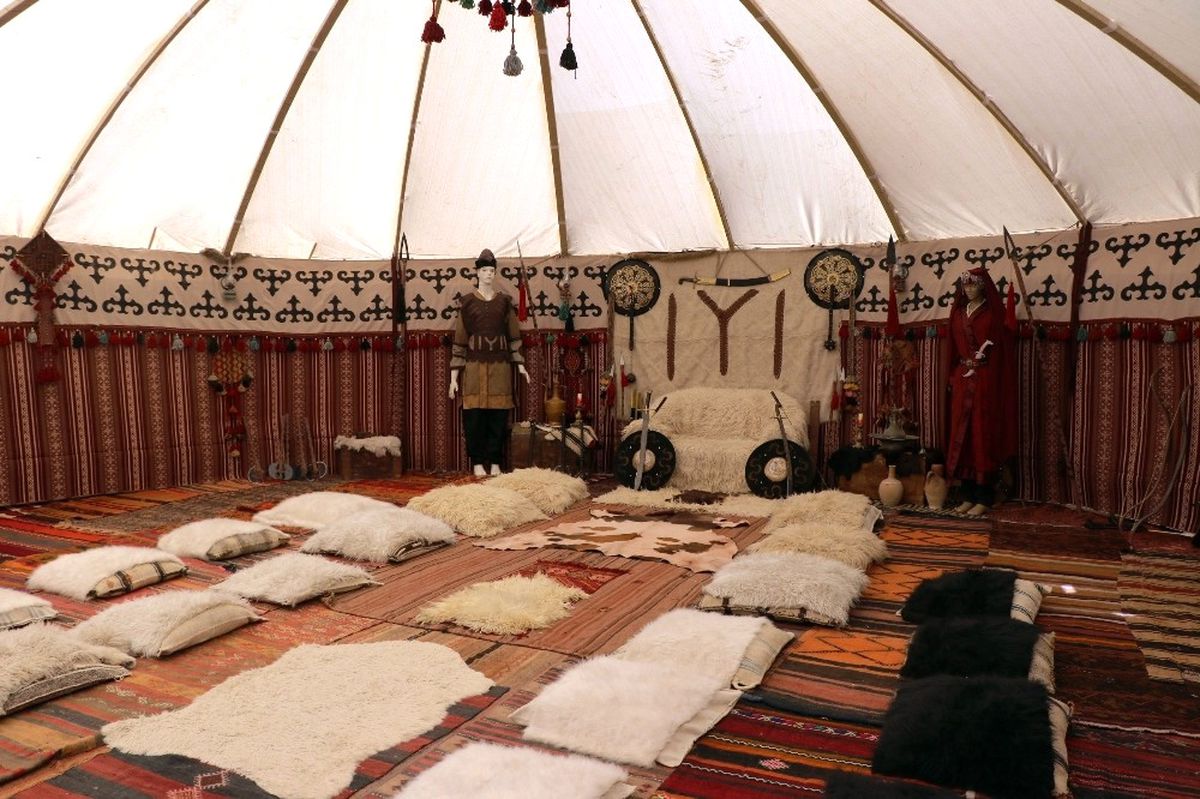
The production value helps, too. The costumes and sets are stunning — when you watch the Kayı tribe pack up their tents, you feel the dust; when they sit around a fire, you almost smell the lamb roasting. The production team built Bozdağ Film Studios near Istanbul, a massive site that recreates 13th-century Anatolia in extraordinary detail.
Then there’s the music. Alpay Göltekin’s soundtrack — particularly the iconic “Dombra” — has taken on a life of its own. The moment that rhythmic beat kicks in, you know someone is about to win a fight. It’s the kind of music that makes you want to go buy a horse and a sword immediately.
Meet the Cast
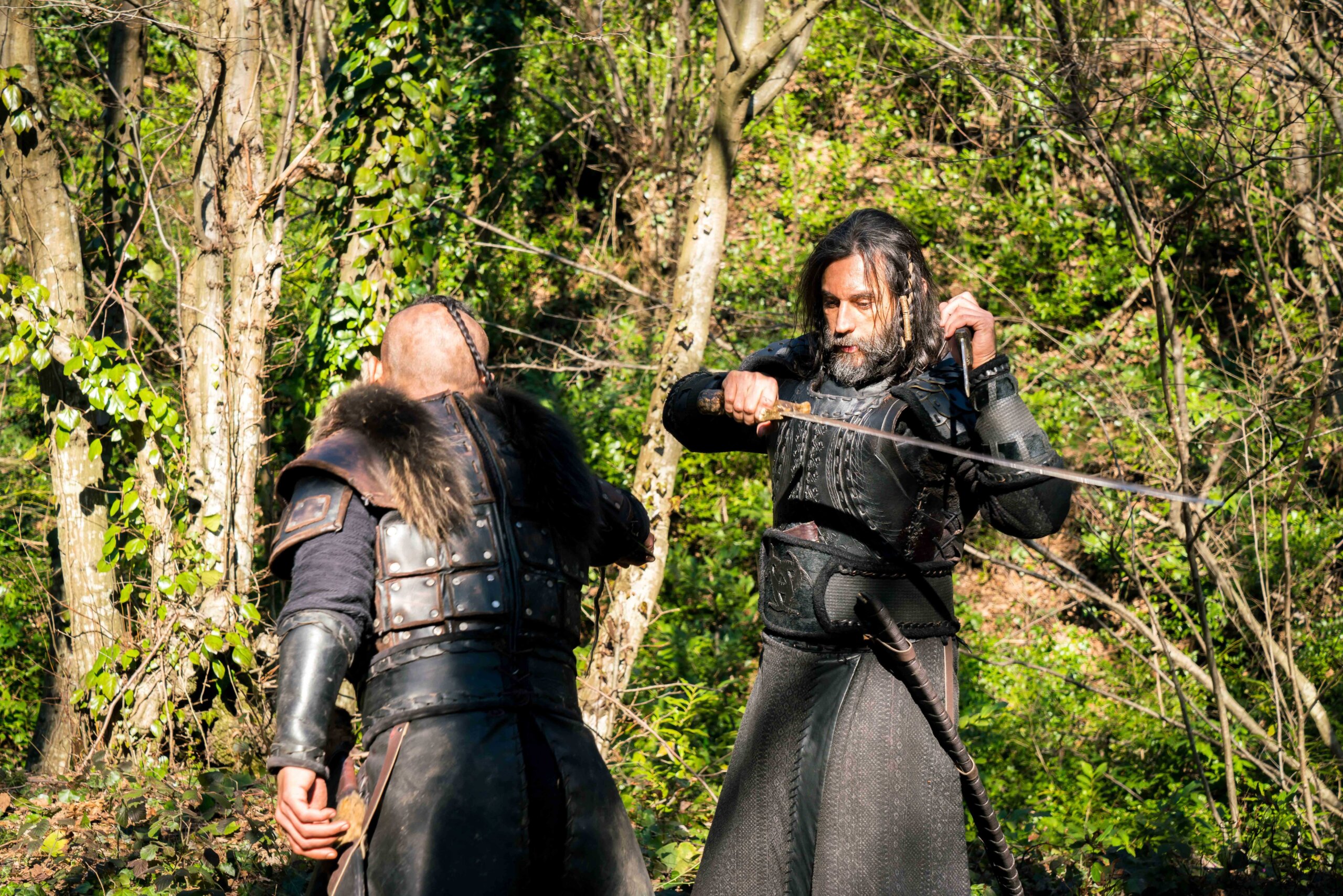
One reason the show feels so human is the chemistry between its actors — people who didn’t just memorize lines but went through months of training in horse riding, sword fighting, and nomadic living.
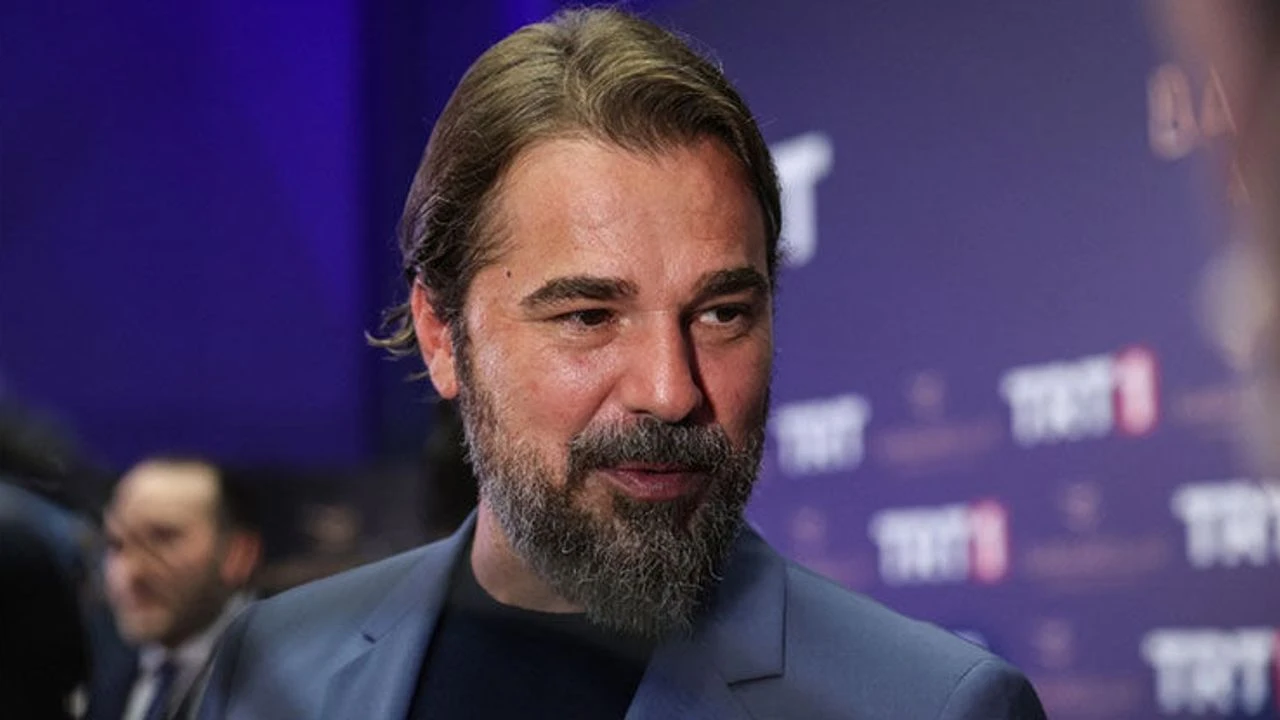
Engin Altan Düzyatan as Ertuğrul Bey — It’s hard to imagine anyone else in this role. Engin brought a rare combination of lion-like intensity and quiet fatherly warmth to the character. His performance was so convincing that when he visited Pakistan, he was greeted like a visiting head of state.
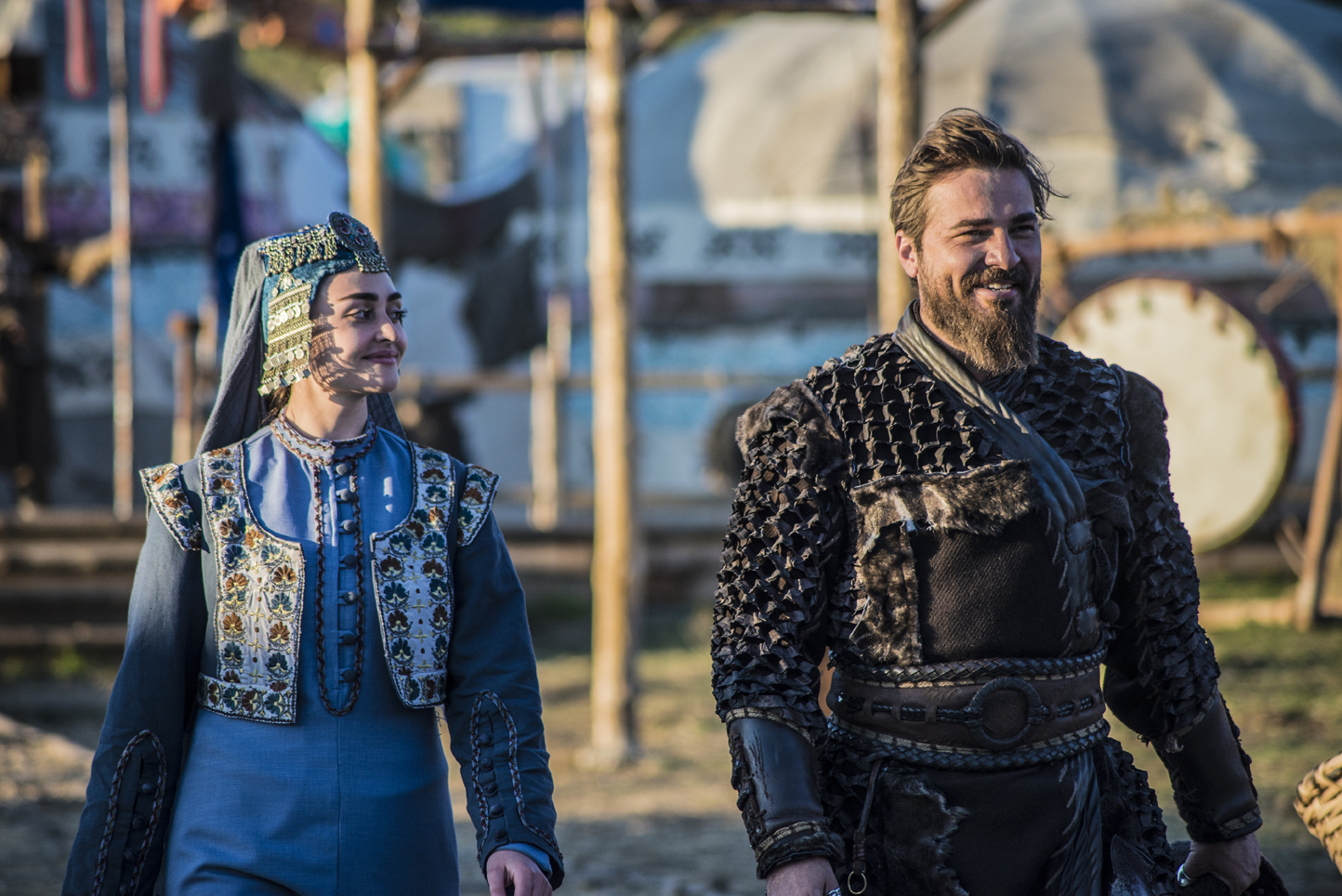
Esra Bilgiç as Halime Hatun — Halime isn’t just “the wife.” She’s a warrior, a diplomat, and the glue that holds the family together through impossible circumstances. For a huge portion of the fanbase, Halime and Ertuğrul’s relationship is the gold standard for what a couple should look like on screen.

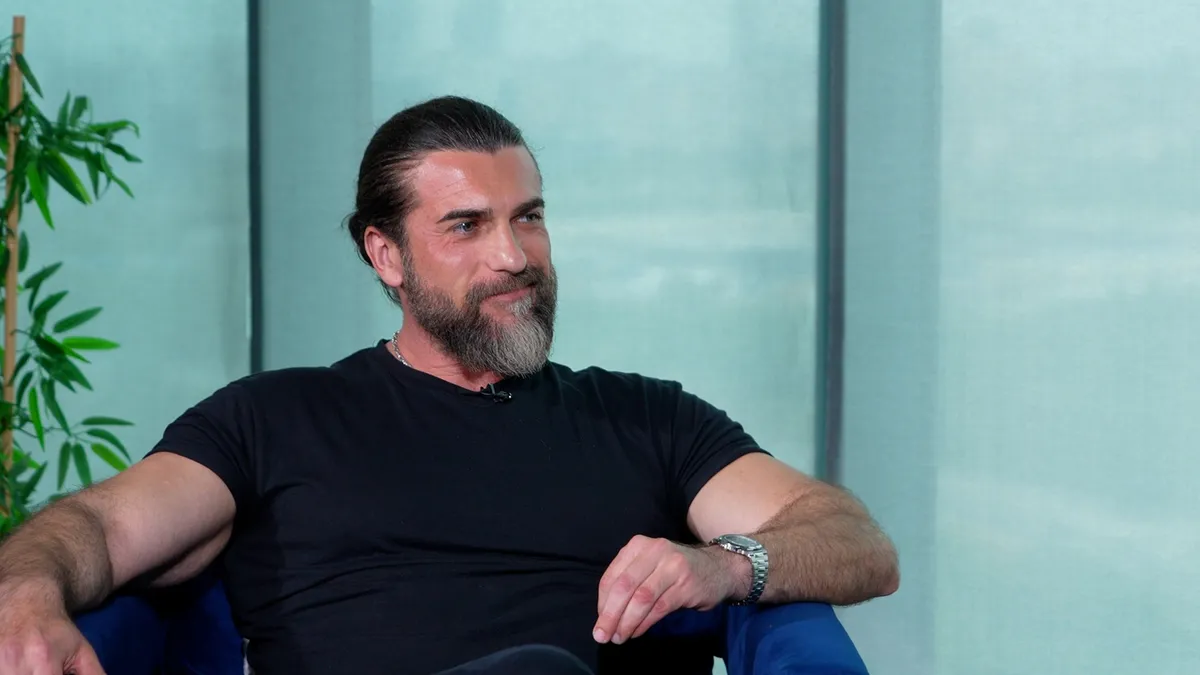
Cengiz Coşkun as Turgut Alp — If Ertuğrul is the heart of the show, Turgut is its muscle. Armed with his iconic axe and driven by fierce loyalty, Turgut became a global fan favorite. His tragic personal storylines gave him a depth that made him one of the most relatable characters in the entire series.
Fact vs. Fiction: Is It Historically Accurate?
This is the big question everyone eventually Googles. The short answer is: it’s a mix.
The real Ertuğrul Ghazi definitely existed. We have coins minted by his son, Osman, that read “Osman son of Ertuğrul.” We know he led the Kayı tribe and that they settled in Söğüt. But the historical records from that era are extraordinarily thin — we’re talking about maybe seven to ten pages of actual surviving text.
The showrunners took those few confirmed facts and built a vast, fictionalized world around them. Villains like Titus or Noyan are based on real historical archetypes, but their specific interactions with Ertuğrul are dramatized. The presence of Ibn Arabi in the show is a beautifully crafted narrative device to explore the spiritual philosophy of the era, though historians debate whether the two ever actually crossed paths.
It’s historical fiction in the truest sense — faithful to the spirit of the era, inventive about the specifics.
The Global Phenomenon
While shows like Magnificent Century had international reach, Diriliş: Ertuğrul became something closer to a cultural movement.
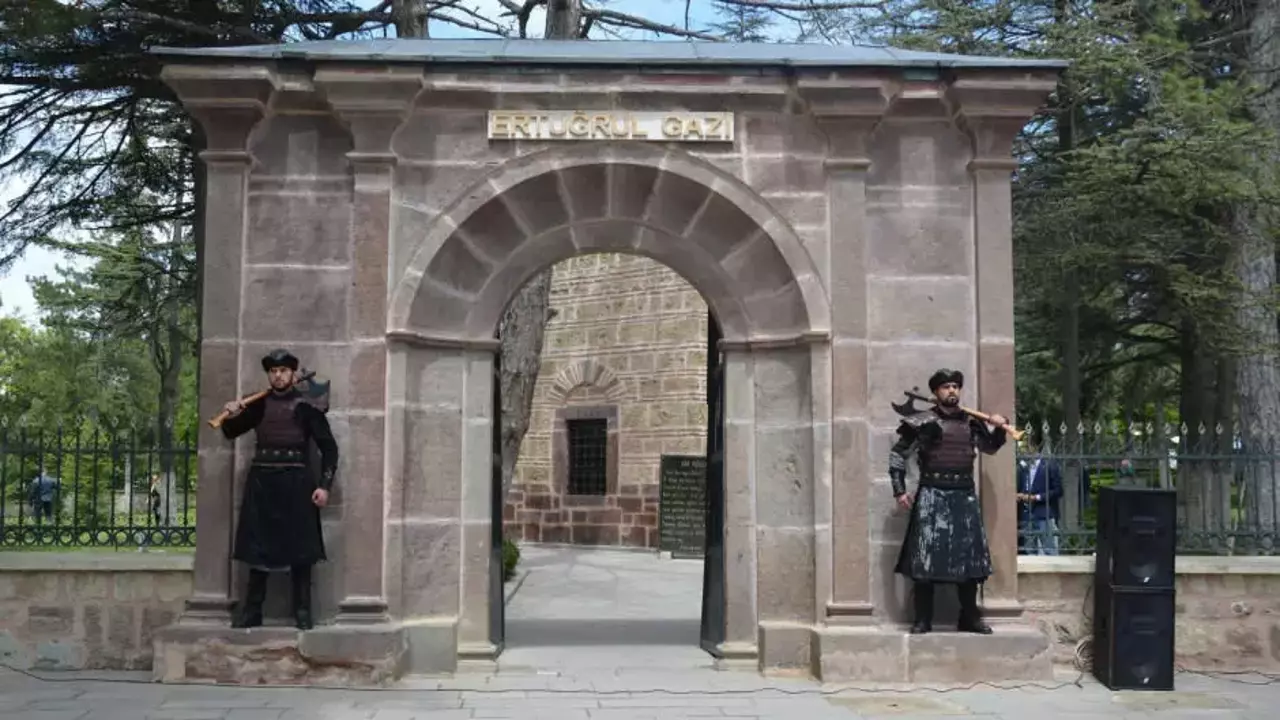
In Pakistan, the show was dubbed into Urdu and broadcast on national television at the direct request of the Prime Minister. It broke YouTube records almost overnight, gaining millions of subscribers in a matter of weeks. Across the Middle East and Africa, parents began naming their children Ertuğrul and Halime. And in Turkey, the small town of Söğüt — where the real Ertuğrul is buried — saw a dramatic spike in international tourists who wanted to pay their respects to the man they felt they’d come to know on screen.
Things You Might Not Know
The cast’s stunt training was handled by Nomad Stunts, a professional team from Kazakhstan, and it began months before filming even started. Because historical data was so scarce, the writers invented much of the tribal detail — but rather than making things up wholesale, they based many of the customs on Central Asian Turkic traditions that still survive today. The story also continues in a direct spin-off: Kuruluş: Osman, which follows Ertuğrul’s son as he officially founds the Ottoman Empire.
Why You Should Watch It
If you’re drawn to epic stories about justice, family loyalty, and the weight of history, this is your show. Don’t let the episode count intimidate you. It’s a slow burn — but once you settle into the rhythm of the tribe, the tea drinking, the council meetings, the constant “Eyvallah” — you’ll find it hard to leave.
It’s the story of a man who had nothing but a dream and a few hundred loyal followers, and how that dream ended up reshaping the course of history for the next 600 years.
One practical note: watch it in the original Turkish with subtitles. The poetic way characters speak about faith, honor, and sacrifice simply doesn’t carry over the same way in dubbing.
Frequently Asked Questions
Where can I watch Diriliş: Ertuğrul?
It’s available on Netflix and Prime Video in many regions, and the official TRT Ertuğrul by PTV YouTube channel offers the full series with English and Urdu subtitles.
How many seasons are there?
Five seasons in total — 150 original long-form episodes, or roughly 450–500 shorter episodes in the Netflix-formatted version.
Is Ertuğrul related to the Ottoman Sultans?
Yes. He was the father of Osman I, the namesake and first Sultan of the Ottoman Empire.
Why is it called “Resurrection”?
“Diriliş” refers to the revival of both the Turkic tribes and the broader Islamic world, which were fragmented and under siege during the 13th century before Ertuğrul began uniting them.