 Discover all about Turkish People & Turkey! The most detailed information about Turkish Culture & Turkey, contents, topics of interest & much more…
Persona (Şahsiyet): Why This Turkish Crime Masterpiece is the Ultimate Watch

If you’ve recently finished high-intensity dramas like Yeraltı or the neon-soaked Arafta, you are likely chasing a specific “vibe”—one that combines dark psychological depth with a visually stunning aesthetic. In the world of Turkish digital television, all roads eventually lead to one title: Şahsiyet (Persona).
Originally released in 2018, Şahsiyet has not only aged gracefully but has achieved a legendary status globally by 2026. It remains a milestone in Turkish storytelling, securing the first-ever International Emmy for Best Actor (Haluk Bilginer). But beyond the awards, it is a haunting exploration of what happens when a man’s memory fades, but his sense of justice remains razor-sharp.
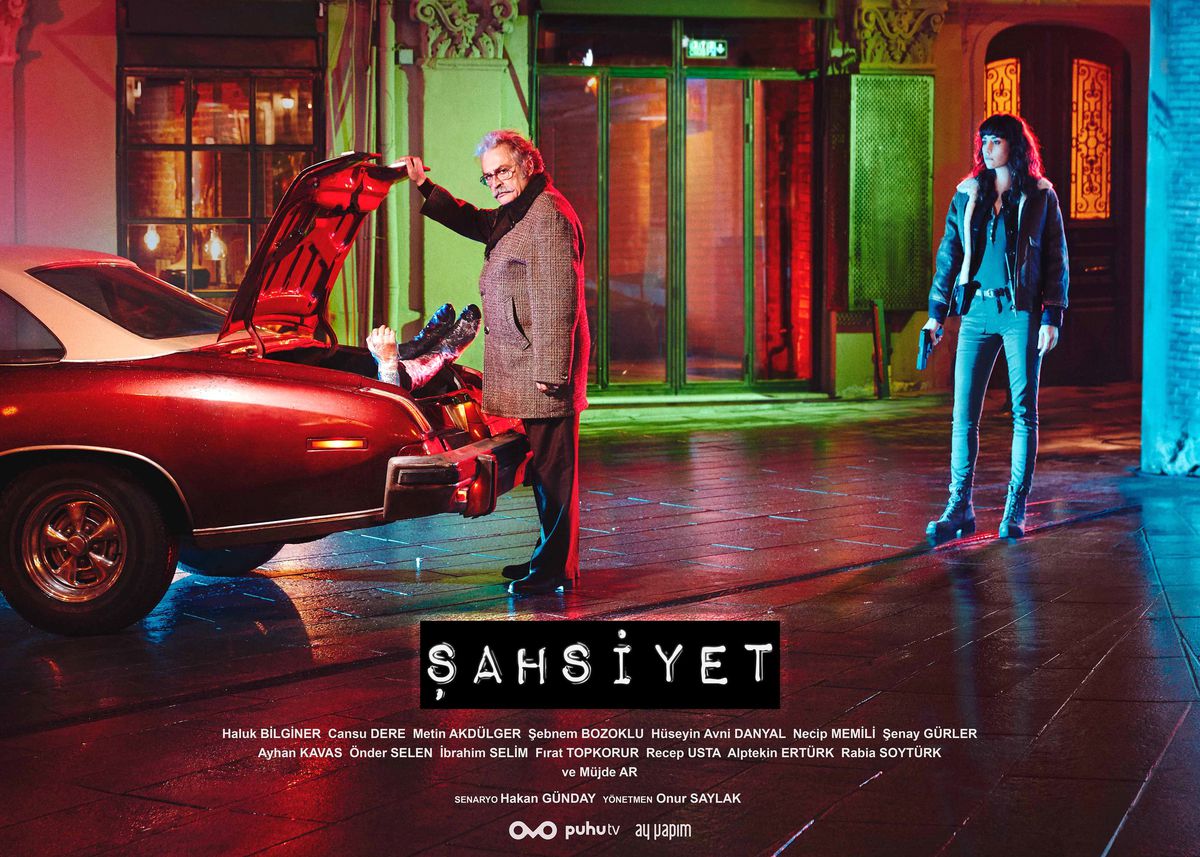
The Premise: A Race Against Memory and Justice
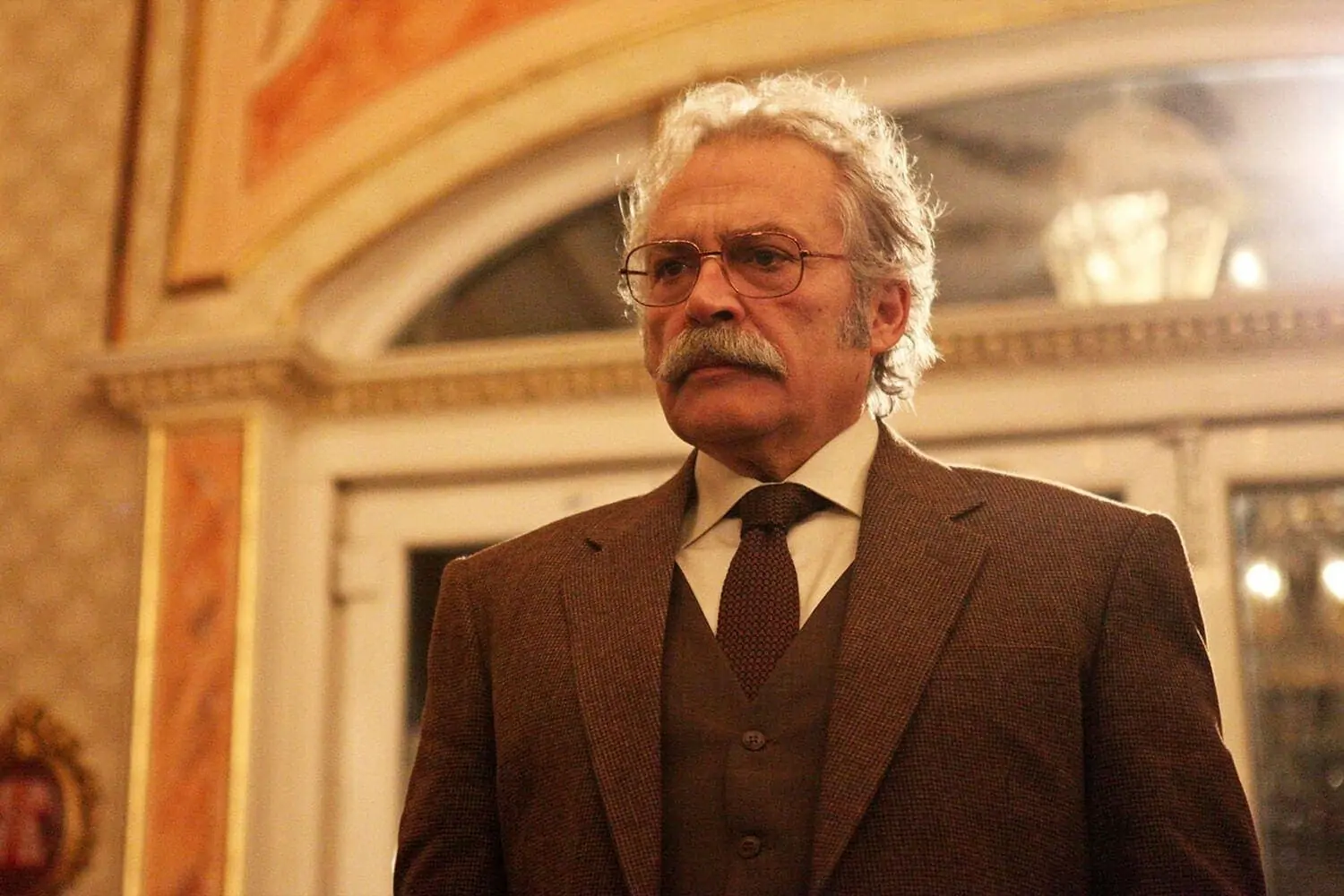
The story introduces us to Agâh Beyoğlu (played by Haluk Bilginer), a 65-year-old retired judicial clerk living a quiet, almost invisible life in the heart of Istanbul’s historic Beyoğlu district. His life is defined by cats, classical music, and a meticulous, lonely routine. His apartment is a museum of a bygone era, filled with old files and memories that he cherishes.
Everything changes with a single medical diagnosis: Early-stage Alzheimer’s.
For most, this would be a death sentence for their identity. Agâh, however, sees it as a liberation. He realizes that if he is destined to forget everything—his past, his identity, and his sins—he can finally carry out the vengeance he has suppressed for decades. His logic is chillingly philosophical: “If I don’t remember committing the crime, did I really commit it? If there is no memory, there is no guilt.”
As Agâh transforms into a vigilante serial killer, his path crosses with Nevra Elmas (Cansu Dere), the only female officer in Istanbul’s homicide department. While Agâh is losing his memories, Nevra is fighting to keep the memory of a dark case alive, creating a psychological tug-of-war that redefined Turkish noir.
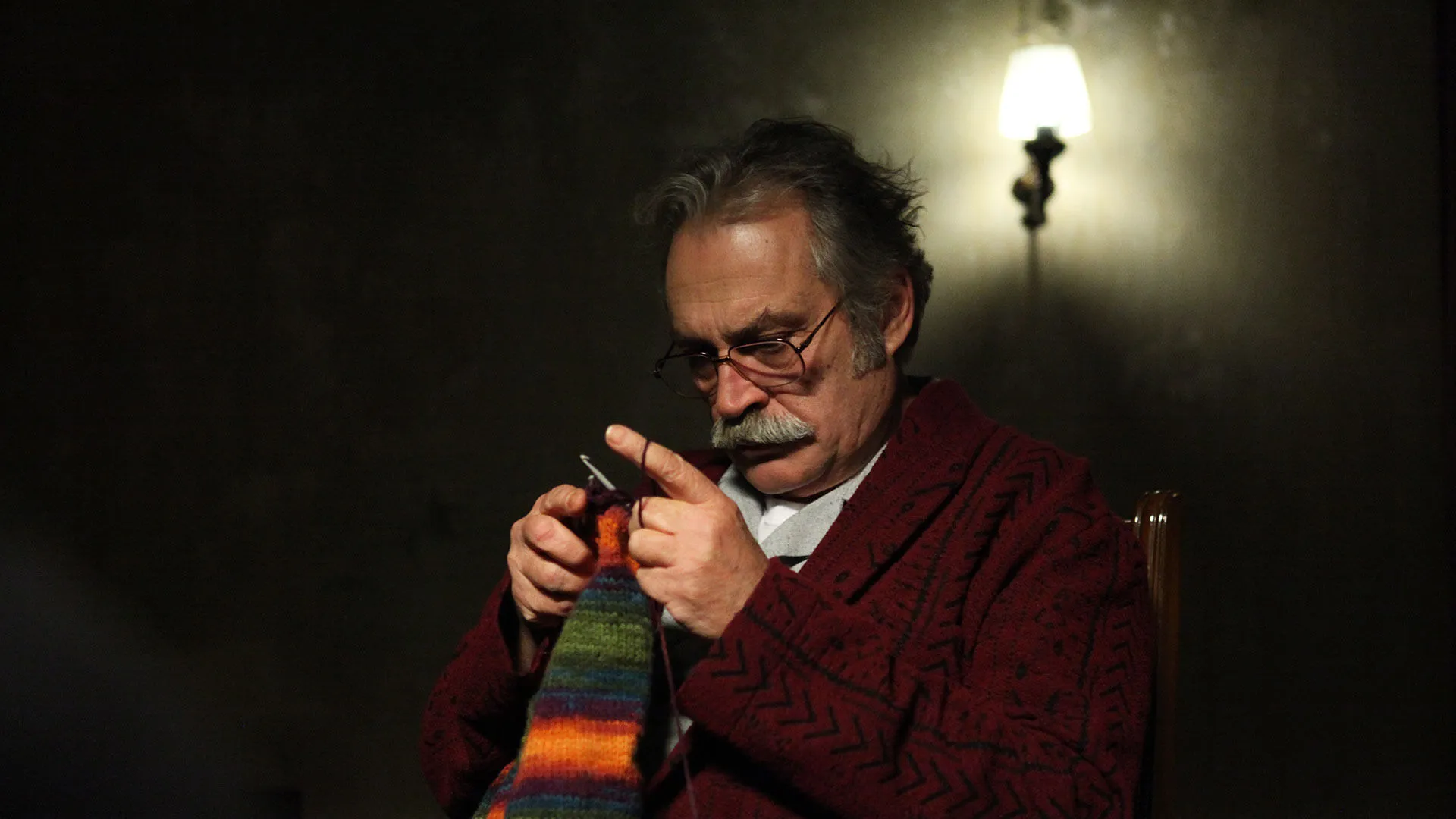
Deep Analysis: Why “Şahsiyet” is the Gold Standard in 2026
1. The Agâh Beyoğlu vs. Global Tropes
When we look at global crime icons like Dexter Morgan or Hannibal Lecter, they often feel like “super-killers”—cold, detached, and almost alien. They have “codes” or “refined tastes” that set them apart from humanity. Agâh Beyoğlu is different. He is “one of us.” He wears a slightly worn-out cardigan, struggles with modern smartphone technology, and worries about the stray cats in his neighborhood.
This domesticity makes his transition into a killer far more disturbing. Haluk Bilginer’s performance in 2026 remains the gold standard because he doesn’t play a monster; he plays a grandfather who decided that society’s laws are too slow and too corrupt for the justice he seeks. It forces the audience into a moral crisis: Can we truly condemn a man who is doing the ‘wrong’ things for the ‘right’ reasons? Especially when he is effectively deleting his own history as he goes?
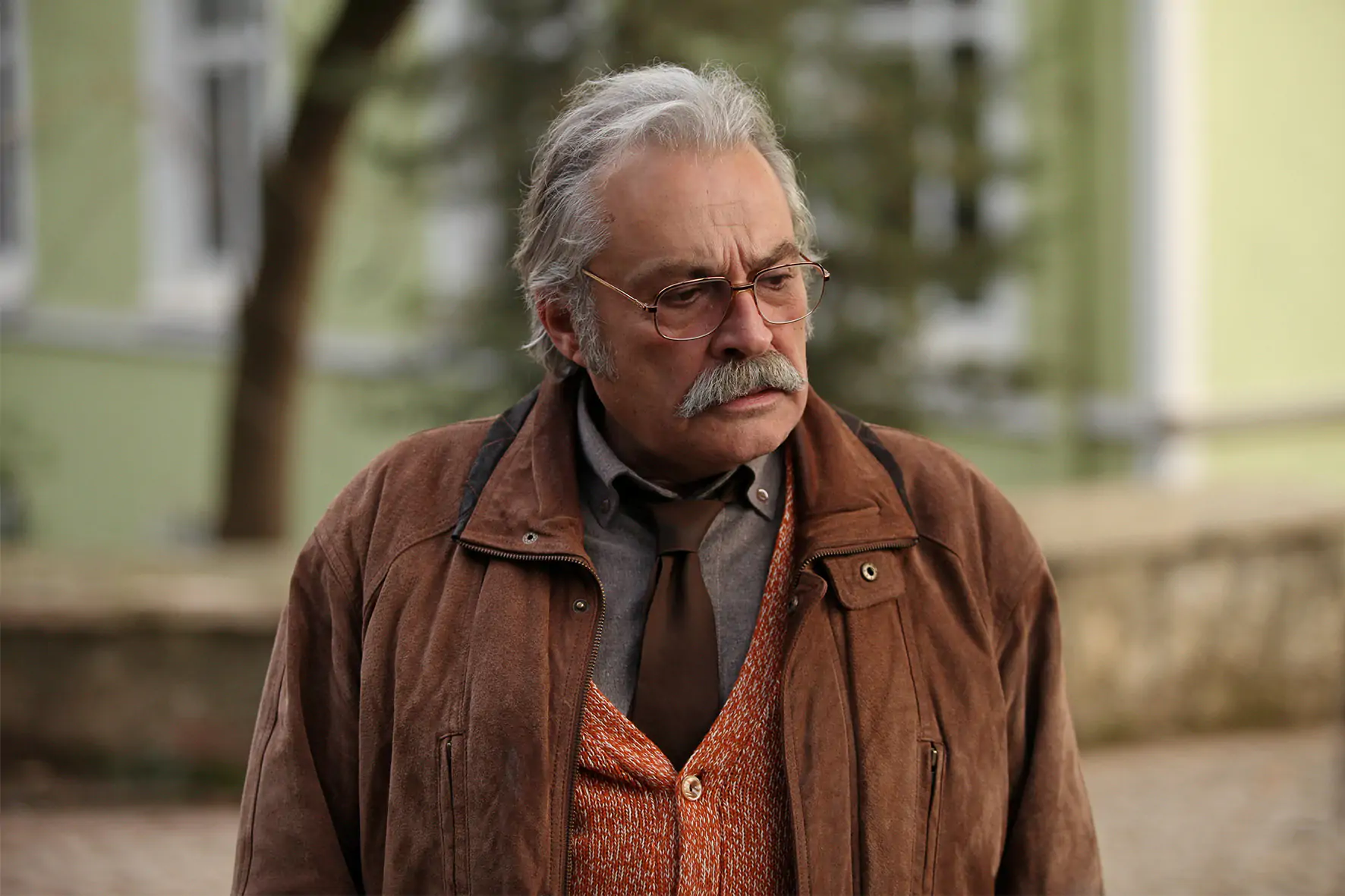
2. The Visual Language: Neon-Noir in Istanbul
Director Onur Saylak and writer Hakan Günday created a visual masterpiece that broke the “gray and gritty” mold of European crime dramas.
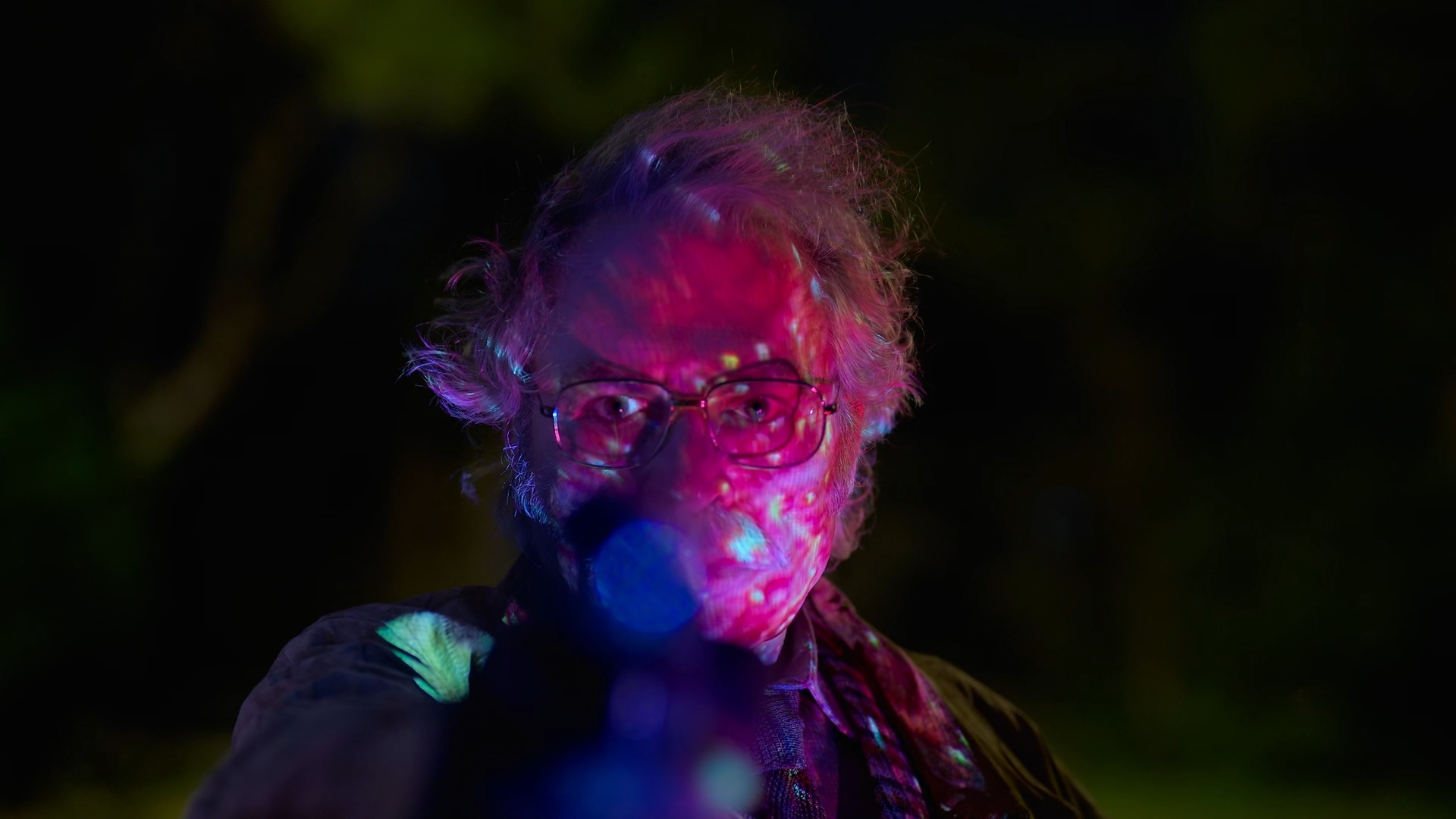
The Palette of Memory: The show uses vibrant purples, neon pinks, and deep oranges. These aren’t just stylistic choices; they represent the vivid yet distorted reality of a mind suffering from Alzheimer’s. As Agâh’s brain misfires, the colors of the world seem to saturate.
Beyoğlu as a Character: The district of Beyoğlu—once the cultural heart of Istanbul, now a place of fading grandeur—mirrors Agâh himself. Both are ancient, full of secrets, and slowly losing their original identity to the relentless march of time. The cinematography treats the crumbling walls of Istiklal Avenue with the same reverence as Agâh’s own wrinkled face.
3. The “Hakan Günday” Factor: Underground Roots
To understand the darkness of Şahsiyet, one must know the writer, Hakan Günday. Known as the “Enfant Terrible” of Turkish underground literature, Günday’s novels (Kinyas ve Kayra, Daha) explore the darkest corners of the human psyche—nihilism, existential dread, and the thin line between civilization and savagery.
In Şahsiyet, he translates this literary depth into a screenplay that refuses to give easy answers. The dialogue is poetic yet sharp, turning every police interrogation into a philosophical debate about the nature of humanity. He doesn’t just write a “whodunit”; he writes a “why-we-do-it.”
Symbolism: The Mask and the Cat
One of the most iconic images of the series is Agâh’s cat mask. In Istanbul, cats are the silent observers of every secret; they belong to no one and everyone. By wearing the mask, Agâh becomes the city itself—omnipresent, silent, and seeking a justice that the official systems have ignored.
Furthermore, the title “Şahsiyet” (Personality/Character) refers to the struggle of maintaining one’s moral core. If a person loses their memory, do they lose their “Şahsiyet”? The show argues that character isn’t built on what we remember, but on the choices we make when no one—not even ourselves—is watching. It poses a terrifying question: Who are you when you forget who you were?
The Social Conscience: Collective Amnesia and the Kambura Mystery
What makes this a true Pillar Content piece for 2026 is the show’s exploration of Collective Amnesia. In Turkey, and indeed globally, societies often “forget” crimes or historical traumas to move forward.
Agâh’s Alzheimer’s is a metaphor for a society that refuses to remember its past. The murders he commits are tied to a deep-seated tragedy in a small town called Kambura. For decades, the townspeople remained silent about a horrific crime to protect their own interests. By forcing the characters (and the audience) to look back at Kambura, the show challenges the “safety” of forgetting. It suggests that unaddressed injustice is a ghost that will always find a way back to the surface, no matter how many years or layers of silence we pile on top of it.
Viewer’s Guide: Tips for First-Time Watchers
If you are starting Şahsiyet after reading this on Turkish Vibe, here are a few things to keep an eye on:
The Soundtrack: Composed by Sertaç Özgümüş, the music is a blend of traditional Turkish “Kanun” and modern electronic synths. It creates a sense of “Anatolian Noir” that is unique to this production.
The Background Details: Notice the vintage items in Agâh’s apartment. Each one represents a “memory anchor” he uses to fight his disease. Even the way he organizes his files tells a story of a man who spent his life watching justice fail from behind a desk.
Nevra’s Wardrobe: Her style evolves as she gets closer to the truth, reflecting her shedding of the “police officer” persona imposed by her peers to find her true, individual self.
Technical Mastery: The Cast of 2026
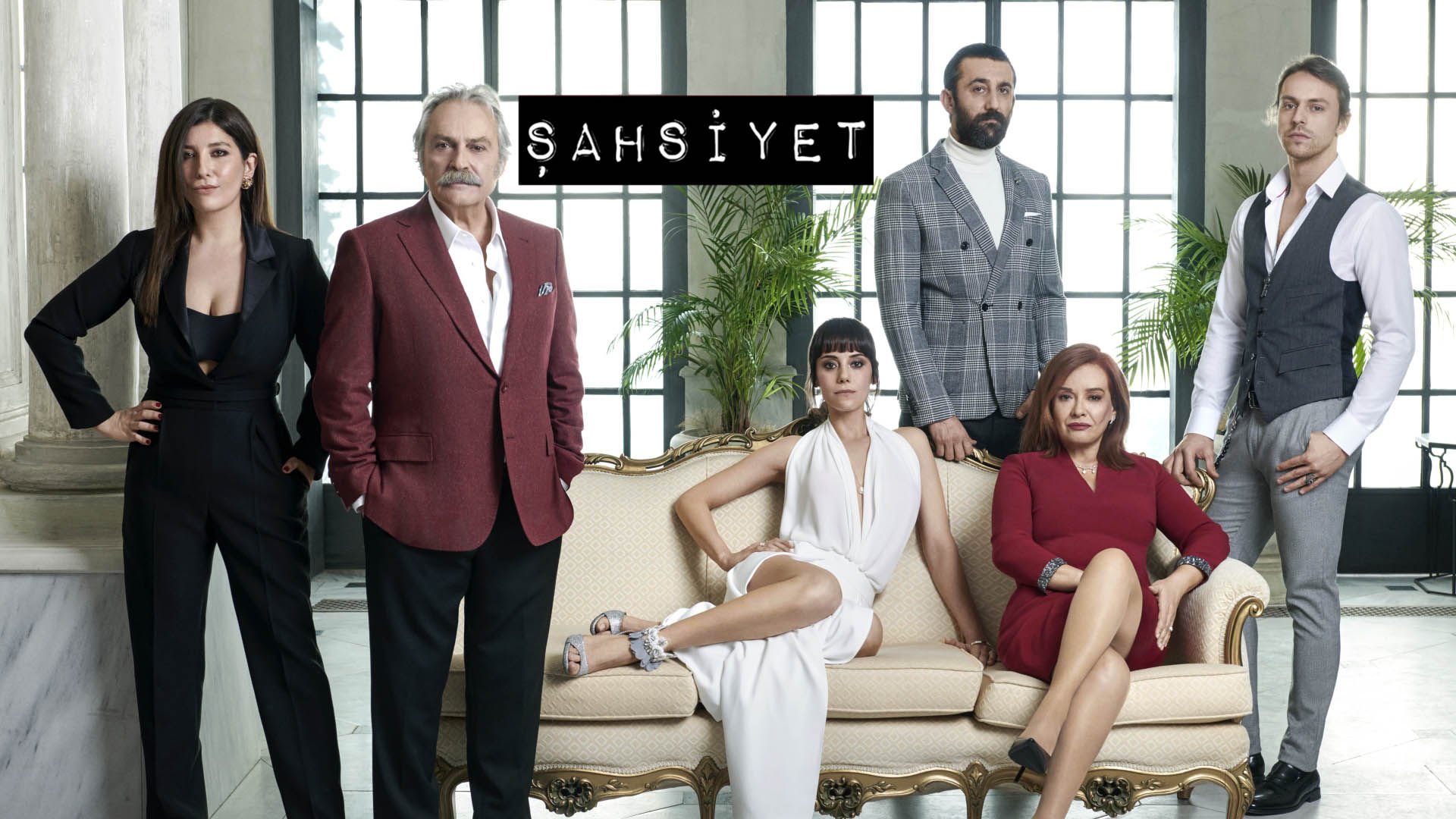
- Haluk Bilginer (Agâh Beyoğlu): The heart and soul of the series. Bilginer’s portrayal of Agâh is nothing short of legendary. He manages to balance the vulnerability of a grandfather struggling with memory loss and the terrifying precision of a man who has decided to settle old scores. His International Emmy Award was a recognition of a performance that resonates across cultures—proving that silence and a simple gaze can be more powerful than any action sequence.
Cansu Dere (Nevra Elmas): Often underrated due to Bilginer’s massive presence, Cansu Dere provides the essential emotional anchor. Her portrayal of a woman navigating a toxic, patriarchal police department is more relevant today than ever. She isn’t just a sidekick; she is the mirror through which we see the consequences of Agâh’s actions, representing the persistent fight for truth in a world that wants to forget.
Metin Akdülger (Ateş Arbay): Before his breakout roles in The Protector or the high-intensity Yeraltı, Akdülger showed his incredible range here as a morally ambiguous journalist. He represents the “modern” world—fast-paced, hungry for headlines, and often blind to the deeper, slower truths that Agâh and Nevra are uncovering. His character provides a sharp contrast to the old-world values of Beyoğlu.
Guest Stars: Keep an eye out for legendary names like Müjde Ar and Hümeyra, who bring a sense of Turkish cinematic history to the screen.

Where to Watch in 2026
For our international readers, Şahsiyet (Persona) is now more accessible than ever.
Disney+ & Hulu: In many regions, the series is available under the title Persona with high-quality English dubbing and subtitles.
PuhuTV: The original home of the series still hosts it for those who want to experience the “OG” digital broadcast vibe.
Haluk Bilginer’s Legacy: Since the release of the second season (Şahsiyet: Phase II), the original 12 episodes are often bundled as a “Masterclass in Crime.”
Final Verdict: The Turkish Vibe Score
Şahsiyet (Persona) is not just a TV show to be “watched”; it is a puzzle to be solved and a philosophy to be felt. Whether you are a fan of high-stakes thrillers like Yeraltı or deep character studies, this series is the absolute peak of Turkish television. It respects the viewer’s intelligence and rewards those who look past the neon lights into the shadows.
Pros:
- Emmy-winning acting performance
- Stunning neon-noir visuals
- Deep philosophical plot
Cons:
Slow-burn pace (might be slow for pure action fans)
Turkish Vibe Score: 9.8/10 A cinematic landmark that redefined Turkish storytelling for the world. If you haven’t seen it yet, you haven’t seen the true potential of the ‘Dizi’ industry.
Enjoyed Persona? Here is what to watch next on Turkish Vibe: