 Discover all about Turkish People & Turkey! The most detailed information about Turkish Culture & Turkey, contents, topics of interest & much more…
The Ultimate Guide to the Turkish Kangal Dog: The Noble Guardian of the Anatolian Steppes
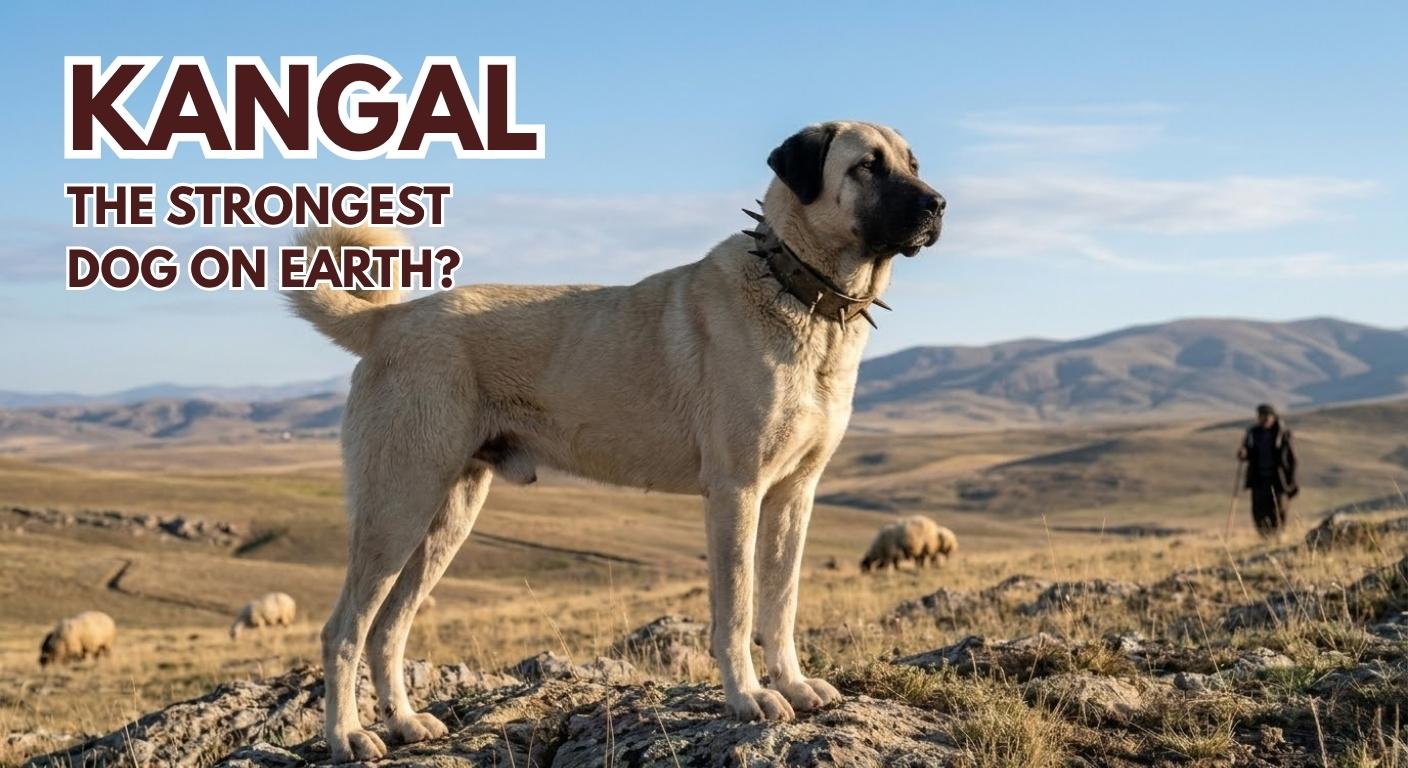
When you stand on the high, wind-swept plateaus of Central Turkey, you eventually see a silhouette that commands immediate respect. A massive, pale-coated figure with a black mask, standing as still as a stone statue against the horizon. This is the Turkish Kangal Dog. To know a Kangal is to understand the true meaning of loyalty, power, and ancient heritage.
Having spent years admiring and researching the pride of my homeland, I wanted to create the definitive resource for anyone captivated by this breed. This isn’t just a list of statistics; it’s a deep dive into the soul of a living legend, written from my own experiences and grounded in the dust of the Anatolian soil.
1. A Living Myth: The Centuries-Old History of the Kangal Dog
The Kangal isn’t just “from Turkey”—it is a product of a very specific, unforgiving environment. The Kangal district of Sivas features brutal winters and scorching, dry summers. For centuries, Turkish shepherds needed a dog that could survive on its own, think for itself, and stand up to the most dangerous predators: wolves, bears, and jackals.
Unlike many Western breeds, the Kangal was never “designed” by a kennel club. It was forged by nature and necessity. They were bred to be a part of the family and a part of the flock. This dual nature—formidable against threats but incredibly tender with their “charge”—is the hallmark of a true Kangal. Also check out Turkish Myths.
2. Guardian, Athlete, Symbol: Decoding the Sivas Kangal’s DNA
Many people confuse the Kangal with other large breeds, but a true Sivas Kangal has specific “signatures” that are unmistakable. If you are looking for a purebred, look for these traits:
The Black Mask (Karabaş): A purebred Kangal must have a solid black muzzle and ears. In Turkey, we often call them Karabaş, which literally means “Black-head.”
The “Simit” Tail: When alert, a Kangal’s tail curls into a tight, beautiful circle over its back. This “simit” shape (named after the circular Turkish bread) is a sign of confidence and lineage.
The Double Dewclaw (Çift Mahmuz): Look at the back legs. Many authentic Kangals possess a “double dewclaw”—an extra toe that was traditionally believed to help them navigate rocky terrain and grip the earth during a fight.
“Sürmeli” Eyes: Their eyes are almond-shaped, ranging from gold to dark brown, often with a dark outline that looks like traditional eyeliner (sürme).
The Coat: They have a double coat that is weather-resistant. It’s dense and soft underneath with a harsher outer layer, perfect for the freezing Sivas winters.
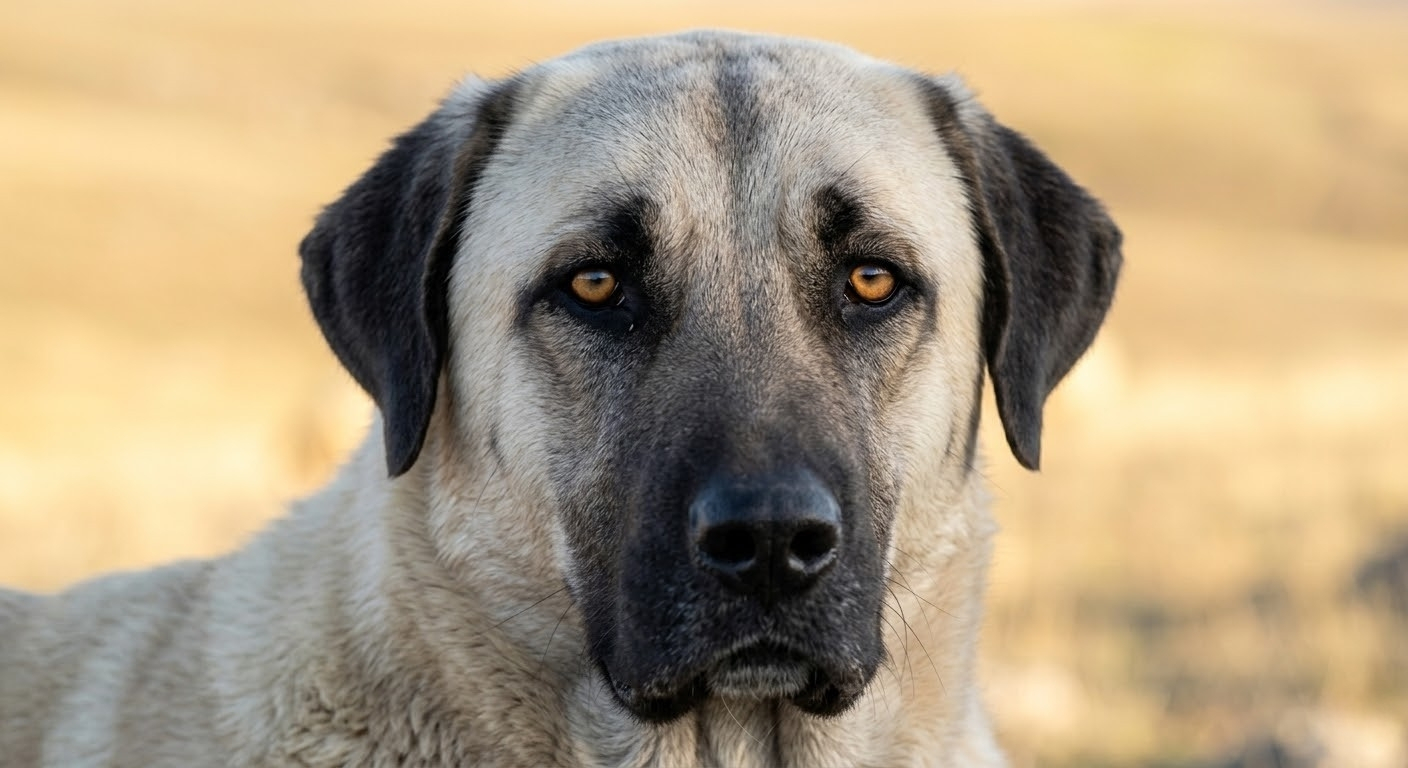
Power in Numbers: The Stats
| Feature | Measurement / Detail |
| Male Height | 72–86 cm (28–34 inches) |
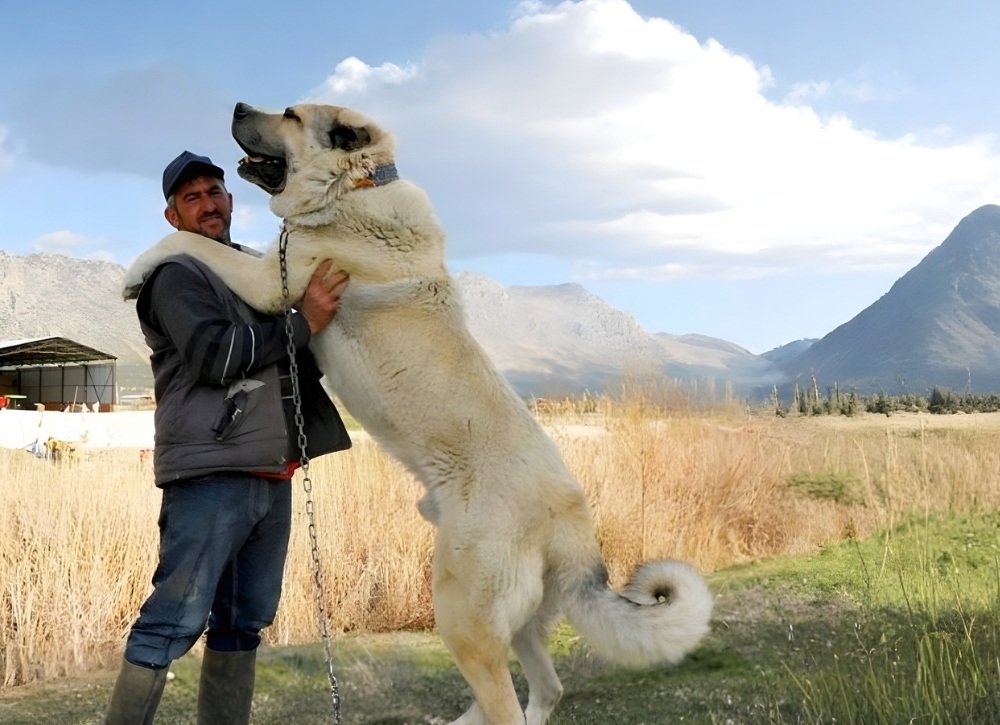
| Male Weight | 50–65 kg (110–145 lbs) |
| Bite Force | 743 PSI (The highest of any canine) |
| Lifespan | 12–15 years (Remarkable for a giant breed) |
| Coat Color | Pale Fawn, Dun, or Tan (Never spotted or white) |
3. How to Feed a Legend: The Mysteries of the Traditional ‘Yal’ Diet
In the West, people ask which kibble brand is best. In the villages of Anatolia, we talk about “Yal.” Historically, Kangals were not raised on processed bags of food. They were fed a warm, nutritious mash called Yal, made from barley flour, water, and sometimes whey or milk. This diet, rich in complex carbohydrates and natural minerals, helped them develop the dense bone structure and massive frames needed for mountain life. While modern owners often use high-quality protein kibble, adding a bit of traditional “Yal” logic—focusing on natural, wholesome ingredients—is often the secret to their health and longevity.
4. Beyond Power: Understanding the Silent Sentinel’s Temperament
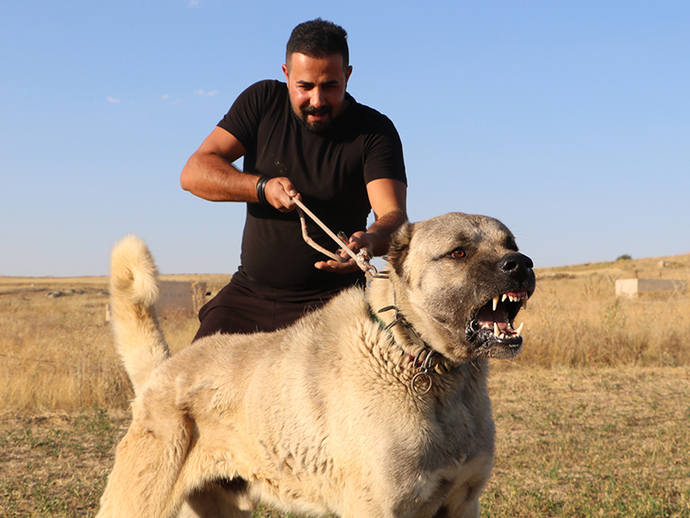
There is a common misconception that a dog with a 743 PSI bite force must be aggressive. In reality, the Kangal is one of the calmest, most composed breeds I’ve ever encountered.
The Evaluator
A Kangal doesn’t bark at shadows. They observe. If a stranger approaches, a Kangal will typically stand up and simply watch. They are evaluating the “energy” of the visitor. They only escalate to a low growl or a bark if they perceive a genuine threat. This “low-energy, high-vigilance” state is what makes them so manageable if they have enough space.
The Gentle Giant Paradox
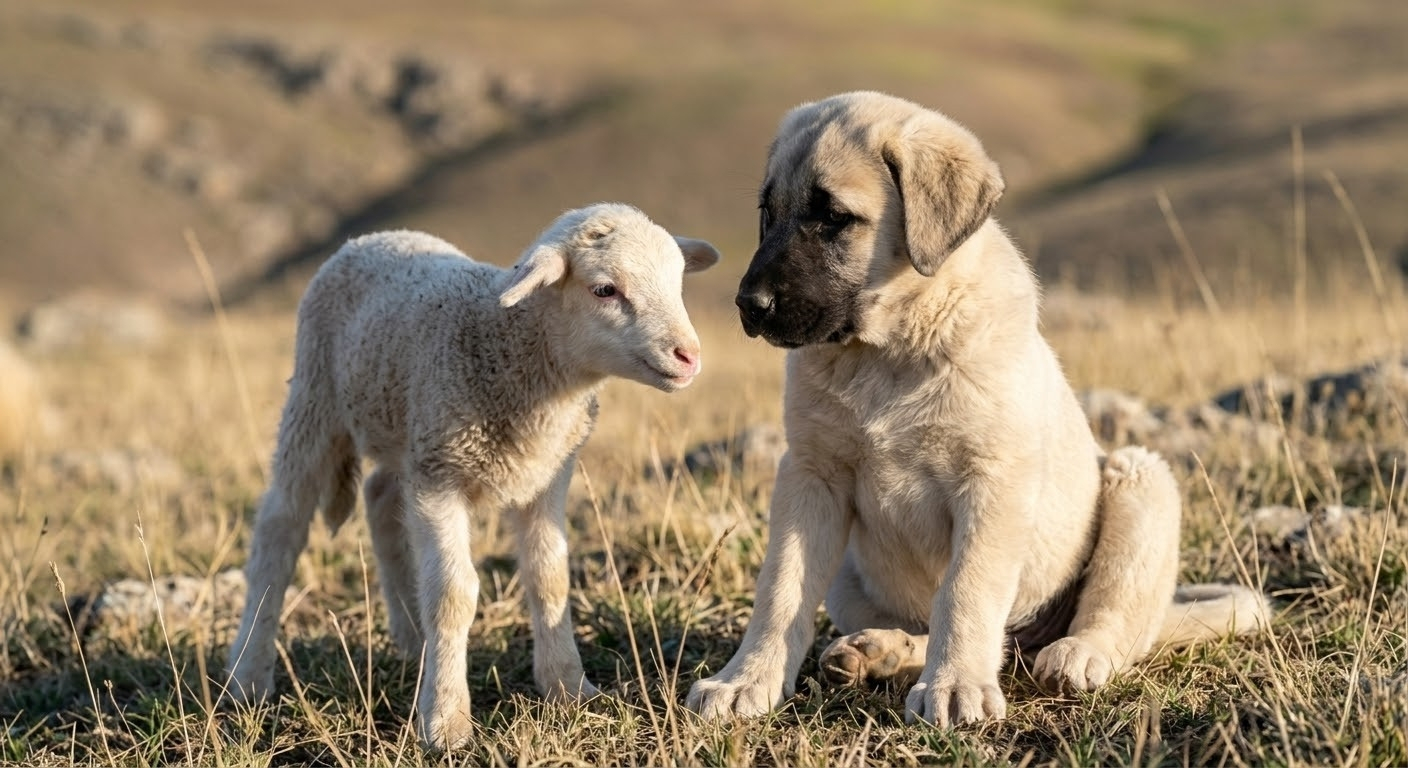
I’ve seen a 60kg Kangal walk on eggshells around a newborn lamb or a toddler. Their intuition for vulnerability is uncanny. They are biologically programmed to protect the weak, which makes them incredible family companions—provided they are raised with love and clear boundaries.
5. Kangal vs. Others: Why International Clubs Still Struggle to Define ‘The Anatolian Shepherd’
To truly understand the Kangal, you have to know what it isn’t.
Kangal vs. Anatolian Shepherd: Internationally, these are often grouped together. However, in Turkey, they are distinct. The Kangal is a specific, isolated breed with a uniform look. “Anatolian Shepherd” is often a “catch-all” term for various Turkish crossbreeds. A true Sivas Kangal is the elite, standardized version.
Kangal vs. English Mastiff: While both are massive, the Mastiff is a heavy, “brachycephalic” breed. The Kangal is an athlete. They are built for speed and endurance, capable of running miles across uneven terrain to chase down a predator.
Kangal vs. Pitbull: While Pitbulls are known for their tenacity, the Kangal operates on a different scale of power. With a bite force of 743 PSI compared to a Pitbull’s ~235 PSI, the Kangal is physically in a league of its own, designed for defense against apex predators rather than domestic conflict.
6. Raising a Gentle Giant: Training Tips from the Heart of Anatolia
If you are considering bringing a Kangal into your life, remember that you are not getting a “pet”—you are entering a partnership.
Space is Non-Negotiable: I cannot stress this enough: Kangals are not apartment dogs. They don’t just need “exercise”; they need a perimeter. Without a large, fenced yard to “patrol,” they can become anxious or destructive.
Socialization is Key: Because they are naturally suspicious of strangers, you must expose them to different people and environments while they are puppies. They need to learn the difference between a “friend” and a “threat.”
Training Requires Respect: They are independent thinkers. If you try to “break” a Kangal’s spirit, you will fail. If you lead with calm confidence and respect, they will follow you to the ends of the earth.
The Double Coat Struggle: Be prepared. Twice a year, they “blow” their coat. You will find enough fur to knit a whole second dog. A high-quality grooming tool is your best friend.
Final Thoughts: The Pride of Anatolia
The Turkish Kangal is more than just a dog; it is a symbol of resilience, a living piece of history, and the ultimate protector. They represent the rugged beauty of the Sivas mountains and the unwavering loyalty of the Anatolian people. If you have the space, the patience, and the heart for one, you won’t just have a guardian—you’ll have a legend by your side.
Frequently Asked Questions (FAQ) about Turkish Kangal Dogs
Can a Kangal live in an apartment?
Strictly speaking, no. A Kangal’s DNA tells it to patrol and guard territory. In a confined space, they can become anxious and develop behavioral issues.
Is it true they can take down a wolf?
Yes. In the Turkish mountains, a “Wolf-Killer” (Kurtçul) Kangal is highly prized. They are one of the few breeds on earth that have the courage and physical power to confront a wolf one-on-one to save their flock.
Are they good with children?
Remarkably so. They treat the children of the household as part of the “flock” that must be protected. However, due to their sheer size, supervision is always necessary—a happy Kangal tail-wag can accidentally knock a toddler over!
Do they bark a lot?
No, they are relatively quiet dogs. They only bark when they have a specific reason to alert you to something unusual.