 Discover all about Turkish People & Turkey! The most detailed information about Turkish Culture & Turkey, contents, topics of interest & much more…
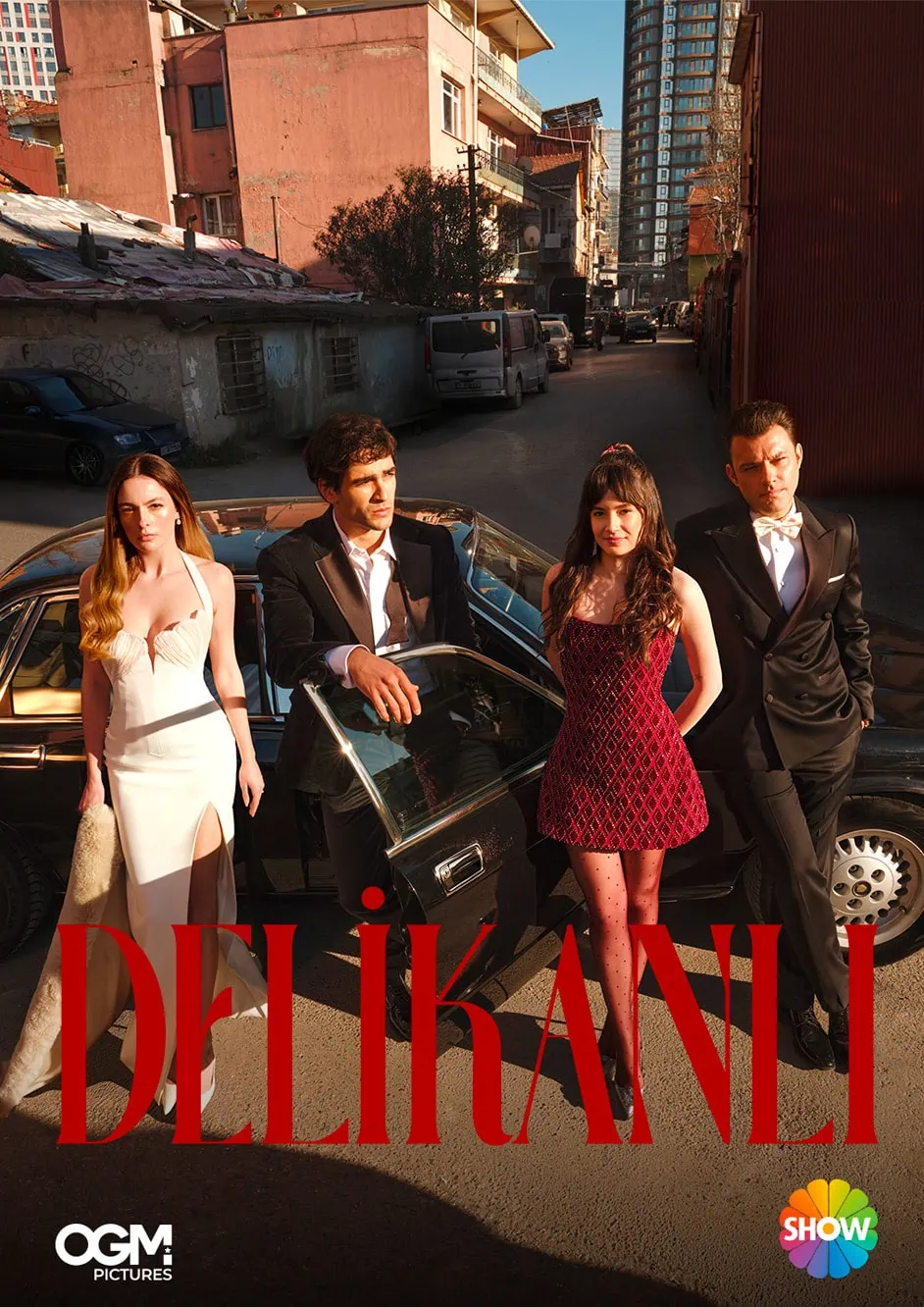
Every few years, a Turkish series comes along that captures a specific feeling. Not just a plot, but a soul — the kind you recognize in the characters’ silences, in the streets they walk, in the music that follows them home. Delikanlı (The Gentlamen), the latest production from Show TV and OGM Pictures, has done exactly that. Premiering on April 6, 2026, the show airs every Monday and offers a sweeping sociological perspective that stretches from neighborhood culture all the way to the criminal underworld. In just 24 hours it became one of the most searched titles on Turkish television, and anyone who’s seen even a single clip already knows why.
What Does “Delikanlı” Actually Mean?
To understand the show, you have to understand the title. In Turkish culture, a delikanlı — literally “crazy blooded” — isn’t just a young man. (In some places you might see it translated as “young man”.) It’s an archetype. Someone brave, honest, loyal to his neighborhood, with a moral code so rigid it could break him. A delikanlı protects the weak and never bows to the powerful, even when bowing would save his life.
The word carries real cultural weight. It comes from the classic Turkish “Yeşilçam” cinema tradition — those mid-20th century melodramas where honor was a man’s most valuable possession and class conflict drove every plot. The series consciously leans into that heritage, reframing those timeless themes through a 2026 lens: what happens when that neighborhood boy is forced into a world where honor is a liability and money is the only language spoken?
The Plot: A Journey from Innocence to Exile
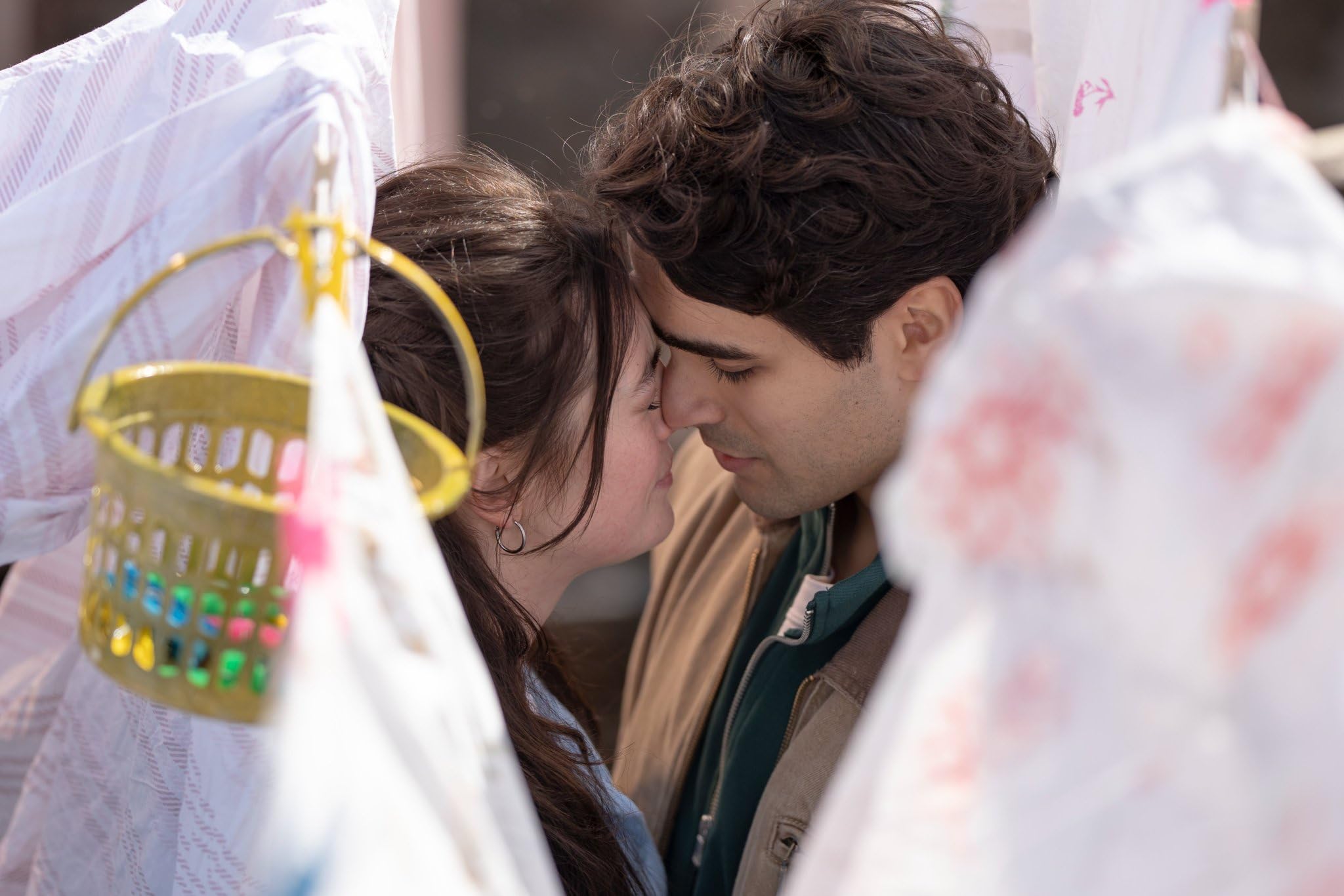
The story centers on Yusuf, a man who grew up in the streets of Istanbul’s poor neighborhoods, who works hard to hold his family together and refuses to bow to injustice. He dreams of a humble life with his childhood sweetheart Hazan, but fate drags him into the criminal underworld. Years later, when he resurfaces as a completely different person, nothing is as it once was.
Yusuf’s story takes shape around the traumas of his past and his desire for reckoning. His relationship with Hazan becomes increasingly fragile under the weight of expectations and outside pressures, as his every effort is crushed beneath the circumstances.
The core of the drama lives in that gap — between who Yusuf was and who he’s become, and whether Hazan can still recognize the person she fell in love with underneath all of it. It’s a revenge story, but the revenge isn’t just against the people who destroyed his old life. It’s against the version of himself he was forced to become.
The Creative Team Behind the Camera
Direction is handled by Zeynep Günay and Recai Karagöz, both recognized for their work on popular Turkish dramas. The script is written by Aybike Ertürk and her team, whose storytelling style is known for emotional depth and engaging narratives.
The production is in the hands of Onur Güvenatam — which, if you follow Turkish television at all, is a name that carries serious weight. Güvenatam established OGM Pictures in 2019, which quickly became one of Turkey’s leading production houses by producing substantial prime-time drama content and securing sales to over 130 territories. His track record speaks for itself: the company has produced hits including Masumlar Apartmanı, Kırmızı Oda, Camdaki Kız, Yalı Çapkını, Terzi, and Atiye, with Yalı Çapkını becoming Turkey’s most-watched series and selling in over 70 countries.
By breaking away from conventional industry formulas, OGM Pictures delivers layered and compelling stories that resonate with viewers from all ages and backgrounds, and it was among the first Turkish production companies to bring Turkish series and films to international digital platforms.
The Cast: A Clash of Titans
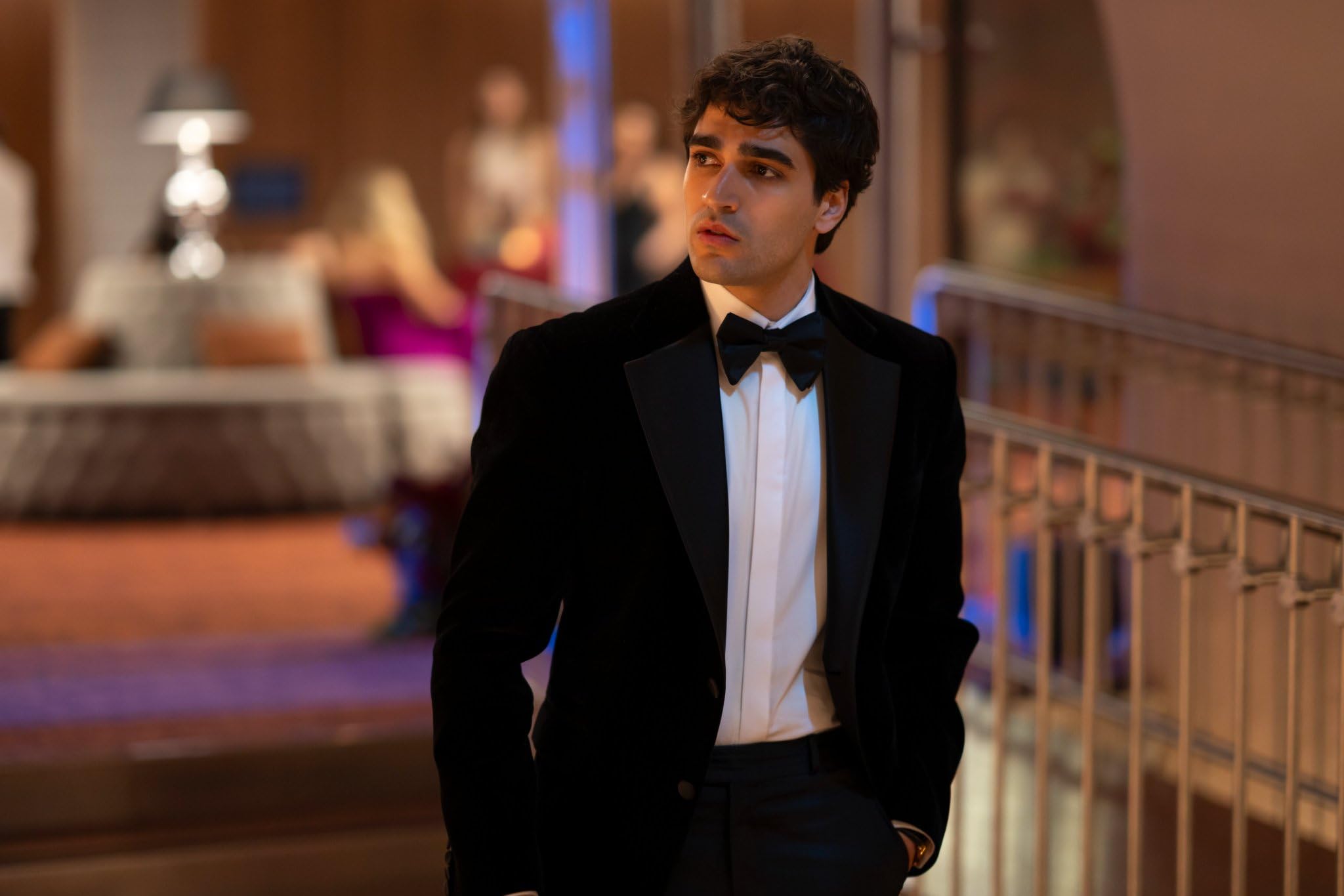
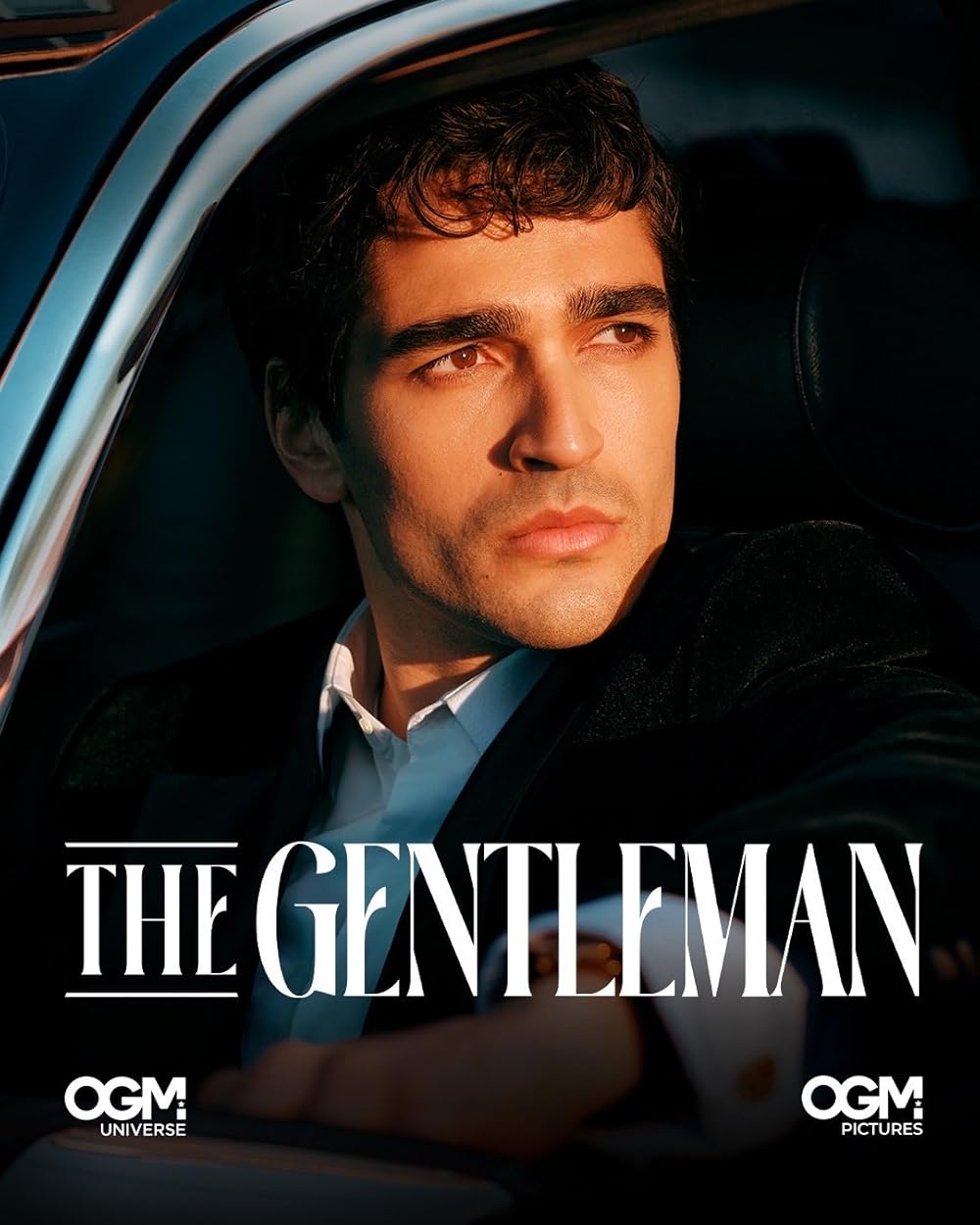
Yusuf — Mert Ramazan Demir
Mert Ramazan Demir was born on 28 January 1998 in Şile, Istanbul. He rose to prominence with his role as Ferit Korhan in Yalı Çapkını. What many international fans may not know is how varied his path to that role actually was. He starred in two Netflix projects — UFO and Şahmaran — as well as the surreal crime series Ölüm Zamanı on Exxen. He also took horse riding and sword fighting lessons for the Netflix series Rise of Empires: Ottoman, and learned an entirely new language — Dari — for his first lead film role. This is not an actor who coasts.
In Delikanlı, he undergoes a significant transformation. Fans were used to the impulsive, wealthy Ferit; Yusuf couldn’t be more different. He’s quiet, observant, physically imposing — a role that demands restraint rather than explosion, and Mert delivers it with a maturity that will surprise even longtime followers.
Hazan — Melis Sezen
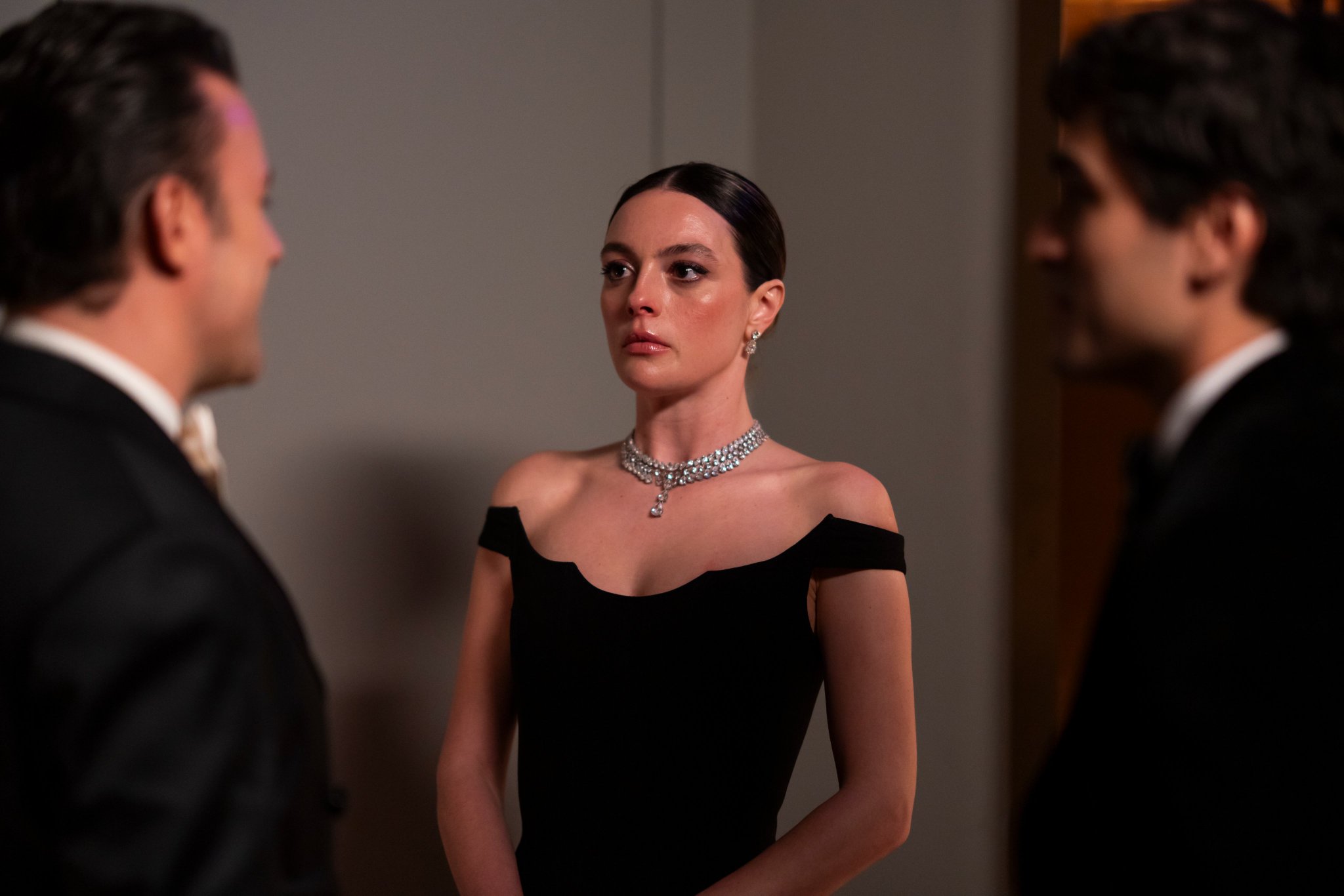
Melis Sezen was born on 2 January 1997 in Silivri, Istanbul. She received drama education from the age of 12 and received theater training at the Müjdat Gezen Art Center. She graduated from Koç University’s Department of Media and Visual Arts, which explains a certain intelligence in how she approaches her roles — there’s an analytical quality to her performances, a sense that she’s thought through not just the emotion but the architecture of a scene.
She is best known internationally for her roles in Leke (2019), Sadakatsiz (2020–2022), and Gülcemal (2023). The role of Hazan, a woman caught between her own dreams and the crushing responsibilities life has forced on her, who is trying to break out of the narrow confines of traditional neighborhood culture while fighting against her mother’s pressure and society’s expectations, is among the most layered she’s taken on.
Hazan is the emotional backbone of the show. She waited for Yusuf, but the world didn’t stop turning while he was gone. Melis Sezen plays her with a raw vulnerability that never tips into helplessness — Hazan isn’t waiting to be saved, she’s already figuring out how to save herself.
Sarp — Salih Bademci
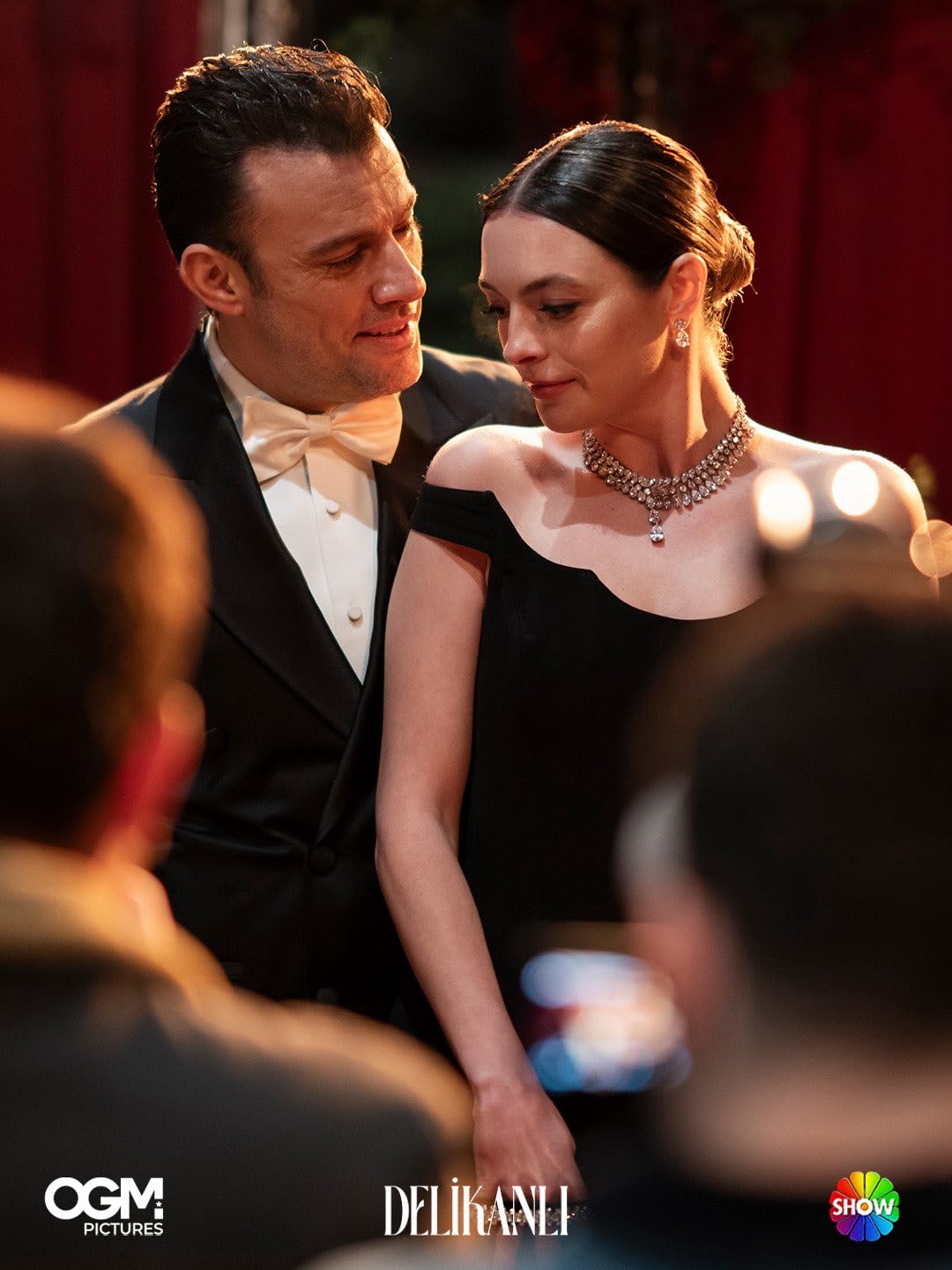
Born on August 15, 1984, Salih Bademci is renowned for his versatile performances in television series, films, and theater, best known for leading roles such as Sinan Karakaya in Kiralık Aşk (2015–2017) and Selim Songür in Netflix’s Kulüp (2021–2023). What makes Bademci particularly interesting is his theatrical background — in 2007, he co-founded the theater group Siyah Beyaz ve Renkli, and he has earned accolades including the Sadri Alışık Jury Special Award. Stage training at that level shows on screen; it’s why his quietest moments tend to be his most powerful ones.
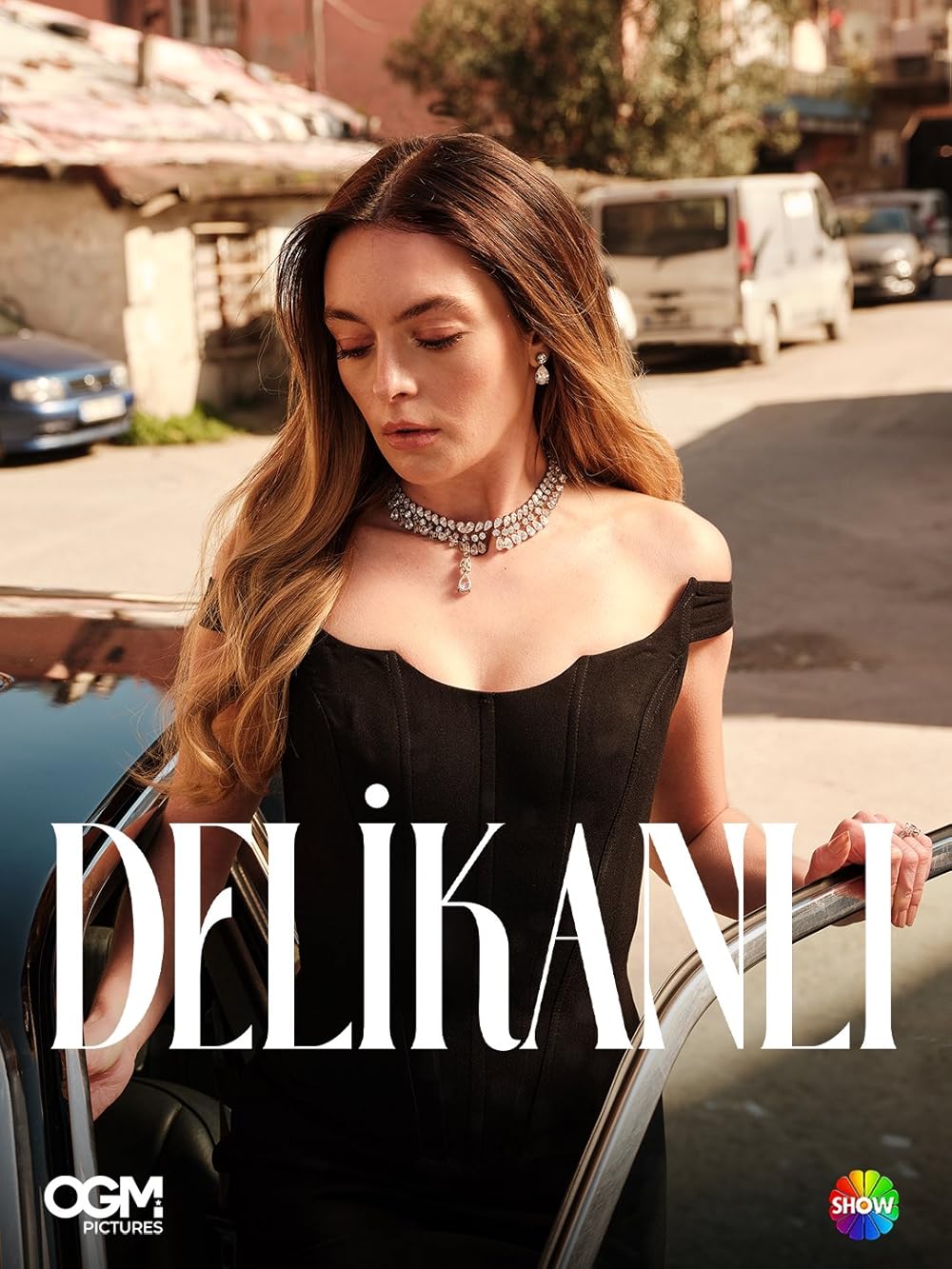
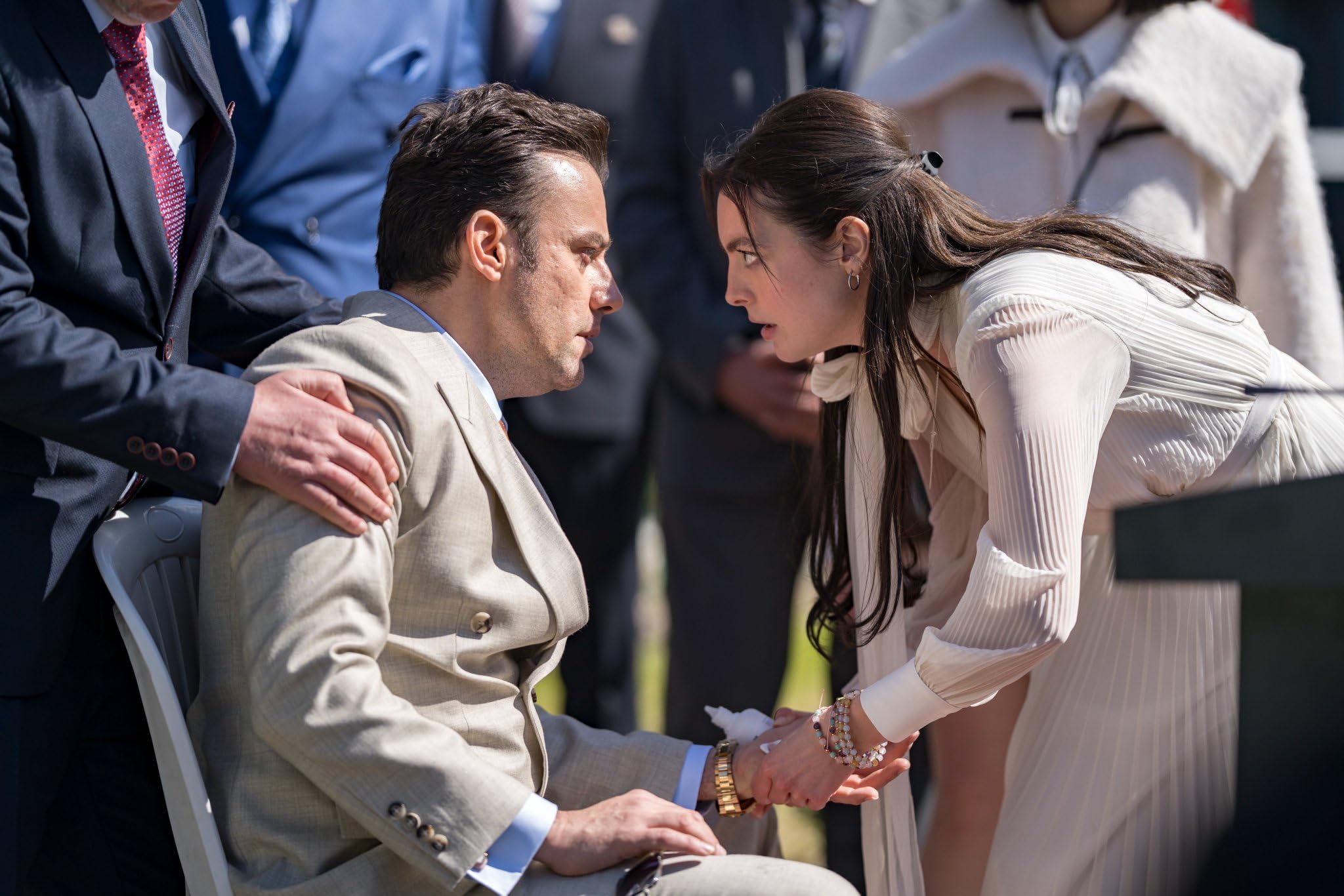
In Delikanlı, he plays Sarp — a member of the Kızılhan family, as charismatic as he is dangerous, representing everything Yusuf despises: inherited wealth, arrogance, and a complete absence of empathy. Their face-offs are already the highlight of the series.

Dila — Mina Demirtaş
The wildcard of the cast, and arguably the most intriguing one to watch develop. Mina Demirtaş started her acting career with the film Akif and built her profile through Kızıl Goncalar on NOW TV. Known for her emotionally grounded performances and ability to convey vulnerability without excess, Demirtaş represents a shift in Turkish television toward more nuanced female characters.
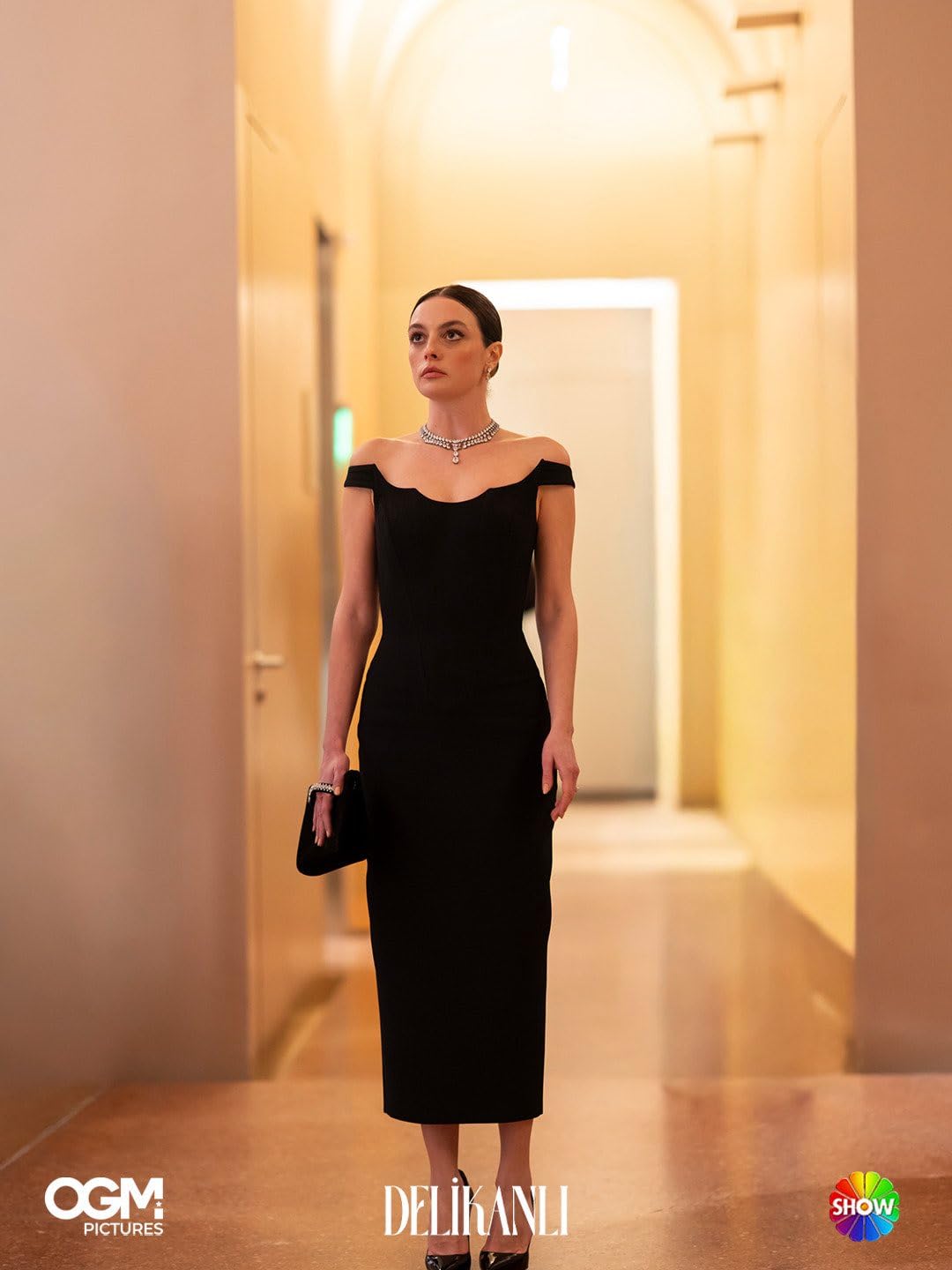
She plays Dila, connected to Yusuf’s new life in ways that aren’t immediately clear — somewhere between ally and threat — and she plays that ambiguity with a sharpness that makes every scene she’s in feel slightly unpredictable. One of the early breakout performances of the season, and one to watch carefully.

The OGM Pictures Touch: High Production Value
The cinematography works on a deliberate dual palette that’s worth paying attention to from the very first episode.
The neighborhood scenes are warm and golden — crowded streets, tea glasses, old diesel, life spilling out of every doorway. The Kızılhan world is the opposite: cold, blue, glass-and-steel environments that feel sterile by design. When Yusuf stands in one of their skyscrapers, he looks exactly like what he is: a lion in the wrong cage.
This isn’t accidental. OGM Pictures has built its reputation on what you could call psychological realism — using visual language to do emotional work that lesser productions leave entirely to dialogue. It’s the same instinct that made Masumlar Apartmanı feel suffocating in all the right ways, and that gave Yalı Çapkını its particular texture of privilege and isolation.
Where It’s Filmed: Istanbul as a Character
For international fans who want to understand why these streets look the way they do, it helps to know the actual neighborhoods.
The neighborhood sequences are shot primarily in Balat and Fener, two historically rich and visually striking districts of Istanbul. The emotionally deeper indoor scenes and coastal sequences use the colorful streets of Kuzguncuk on the Anatolian side. The show deliberately combines nostalgic, preserved old neighborhoods with the modern city skyline.

Fener takes its name from the Greek “Fanarion,” meaning lighthouse, and was historically a trade hub with heavy sea traffic along the Golden Horn. After the fall of Constantinople, Byzantine nobility who returned to the city settled in Fener, forming the educated and cultured Fanariot class who often served the Ottoman state as translators and foreign dignitaries. Meanwhile, Balat was a famous Jewish neighborhood — and after 1492, when Sultan Bayezid II sent his fleet to Spain to rescue Jews fleeing the Inquisition, waves of Sephardic settlers arrived and transformed the district into one of the most vibrant commercial hubs in the empire.
Today, both neighborhoods are UNESCO World Heritage Sites, organized like small villages with cobblestone alleys that go up and down like a labyrinth. The colorful Ottoman houses, the small craftsmen, the merchants, the children playing in the street — it gives the area an out-of-time charm that few places in Istanbul can replicate.
In short: when you watch Yusuf walk down those streets, you’re watching him walk through 500 years of layered history. The show knows that, and uses it. Also check out: Where are TV series filmed in Istanbul?
What to Watch Out For: Small Details You Might Miss
The car symbolism. Yusuf is a mechanic, and throughout the early episodes his relationship with cars functions as a quiet metaphor — a man who spends his life trying to fix things that may be fundamentally broken.
The poetry. There are moments where Yusuf or the older neighborhood characters speak lines drawn from classic Turkish poets. This is a tradition in Turkish storytelling that goes back to Yeşilçam cinema, and it adds a layer of soul that separates Delikanlı (The Gentleman) from a standard revenge thriller. If you’re watching with subtitles, don’t skip over these moments — they often carry more weight than the action scenes around them.
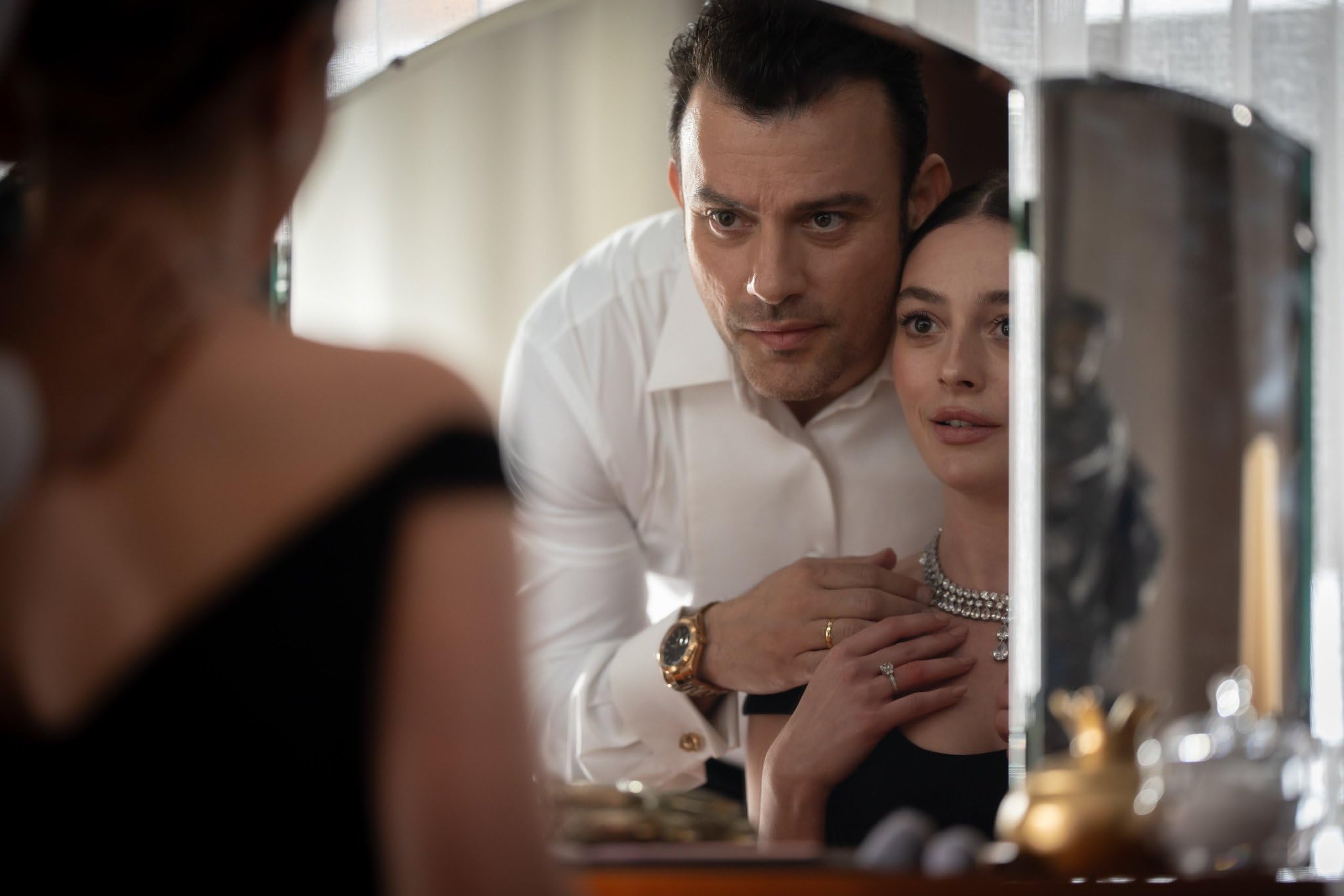
The costume design. Watch how Yusuf’s clothes change across the series. In the neighborhood, he dresses practically — workwear, functional, nothing to prove. In the Kızılhan world, those choices become loaded. Clothing becomes armor, or a costume, depending on who’s watching.
The geography. Pay attention to which characters move fluidly between the two worlds and which ones can’t. The Kızılhan family never comes to the neighborhood on their own terms. That power dynamic is built into the physical space of the show.
Frequently Asked Questions
When and where does it air? Delikanlı (The Gentleman) airs on Show TV on Monday evenings, with the new episode at 19:00 and repeat broadcasts later in the night.
How many episodes will there be? Like most Turkish dizi productions, the episode count depends on ratings. Given the early buzz and the strength of the cast, a full season of 30+ episodes seems realistic. Turkish dramas that trend hard in their first week rarely get pulled early.
Is it based on a book? While OGM often adapts Dr. Gülseren Budayıcıoğlu’s work, Delikanlı (The Gentleman) is an original screenplay by Aybike Ertürk, though it draws heavily from the classic Yeşilçam themes of honor and class conflict that Turkish audiences know instinctively.
Where can I watch it with English subtitles? The show airs live on Show TV. The official Delikanlı YouTube channel typically uploads episodes shortly after broadcast. Most fan subtitle communities have them ready within 24–48 hours, and international streaming platforms often pick up OGM Pictures titles within weeks of their premiere.
If I’m new to Turkish dramas, is this a good starting point? Yes, with a caveat. Delikanlı (The Gentleman) is confident in its genre conventions — it assumes you understand that a Turkish neighborhood drama operates differently than a Netflix thriller. The pacing is slower and more deliberate, the family dynamics are central rather than incidental, and the emotional temperature runs high. If you’ve watched Çukur, İçerde, or Kara Sevda, you already know what to expect. If this is your first Turkish drama, give it two episodes before you judge the rhythm.
Shows to Watch First (or After)
If Delikanlı (The Gentleman) has caught your attention and you want to build context:
Çukur (2017–2021) — The closest cousin in terms of DNA. A powerful family defending their neighborhood against criminal forces from outside. Four seasons, relentless plot, and it essentially defined the mahalle-crime genre for the current generation.
İçerde (2016–2017) — An undercover cop inserted into an organized crime family. Exceptional lead performances, tight writing, and the same class-conflict tension that runs through Delikanlı.
Kara Sevda (2015–2017) — If the love story between Yusuf and Hazan is what’s pulling you in, this is the emotional benchmark. Won the International Emmy for Best Telenovela.
Yalı Çapkını (2022–present) — Mert Ramazan Demir’s breakthrough role. Essential viewing for understanding how dramatically different Yusuf is from everything he’s done before.
Terzi / The Tailor (2023–present) — Also an OGM Pictures production, now on Netflix globally. A good introduction to the company’s aesthetic if you want to understand the visual sensibility Delikanlı (The Gentleman) is working in.
Why This Show Matters Right Now
Monday night ratings in Turkey are some of the most competitive in television. For Delikanlı to cut through that noise and trend this fast means it’s touching something real.
It’s a story about the little guy fighting back, about a love that refuses to die quietly, about the cost of keeping secrets to protect the people you love. It’s also arriving at a moment when Turkish television is actively trying to prove it can tell prestige drama — not just broad entertainment — to a global audience. Delikanlı carries that ambition in every frame.
Whether you’re here because of Mert Ramazan Demir, because of OGM Pictures’ track record, or because you stumbled across a clip and couldn’t stop thinking about it — the show deserves your attention.