 Discover all about Turkish People & Turkey! The most detailed information about Turkish Culture & Turkey, contents, topics of interest & much more…
Turkey is famous for a lot of things — its rich history, incredible food, stunning landscapes. But if you ask an animal lover, the real stars of this country have four legs and a tail. Anyone who’s wandered through the streets of Istanbul or spent time in an Anatolian village knows that cats here aren’t just pets. They own the place.
Two breeds, in particular, have become true national icons: the Turkish Van and the Turkish Angora. They might look alike at first glance, but spend a little time with each of them and you’ll quickly realize they couldn’t be more different — in personality, history, and the way they carry themselves.
So let’s get into it. Whether you’re thinking about bringing one of these beauties home or you’re simply curious about their story, here’s everything you need to know.
The Myth and the Legend: Where Do They Come From?
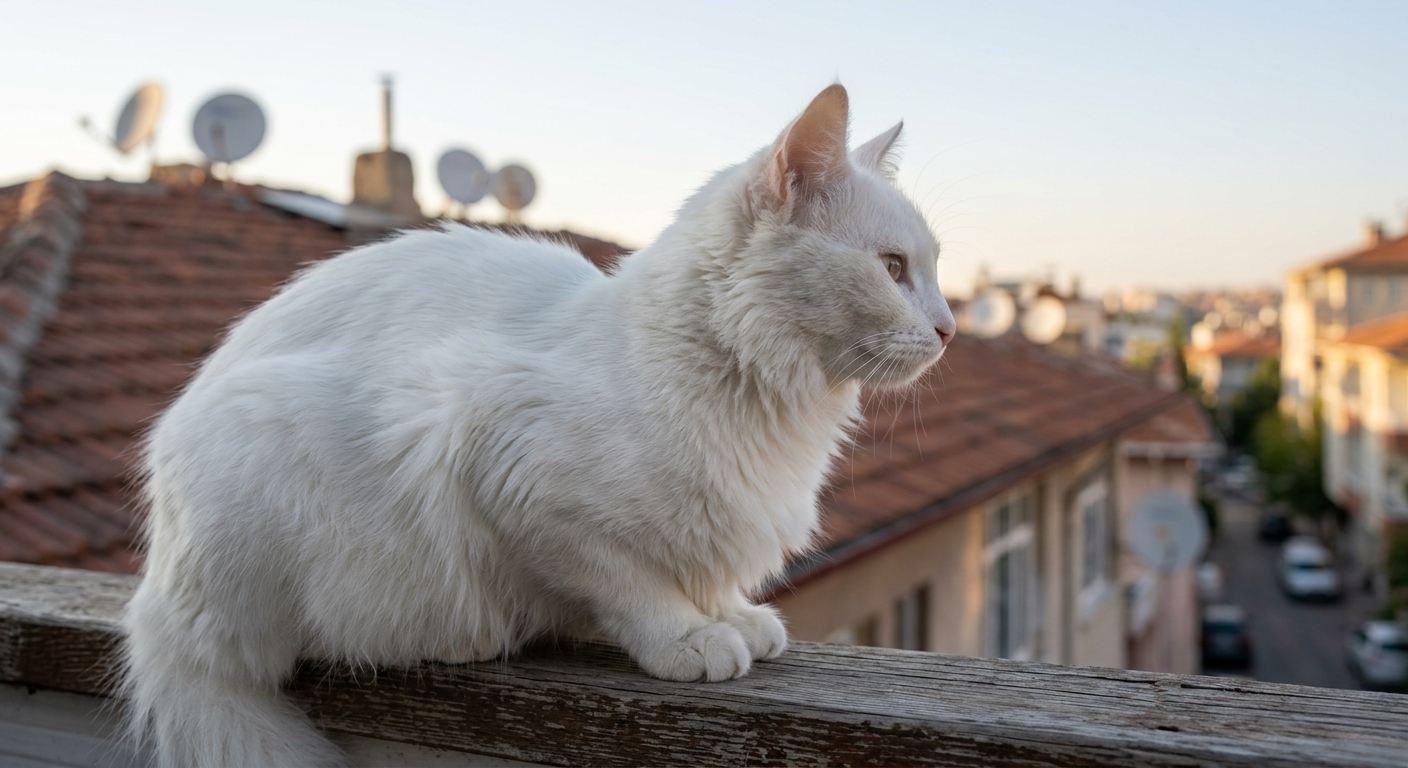
To really understand these cats, you need to picture the geography of Turkey — because where a cat comes from shapes everything about who they are.
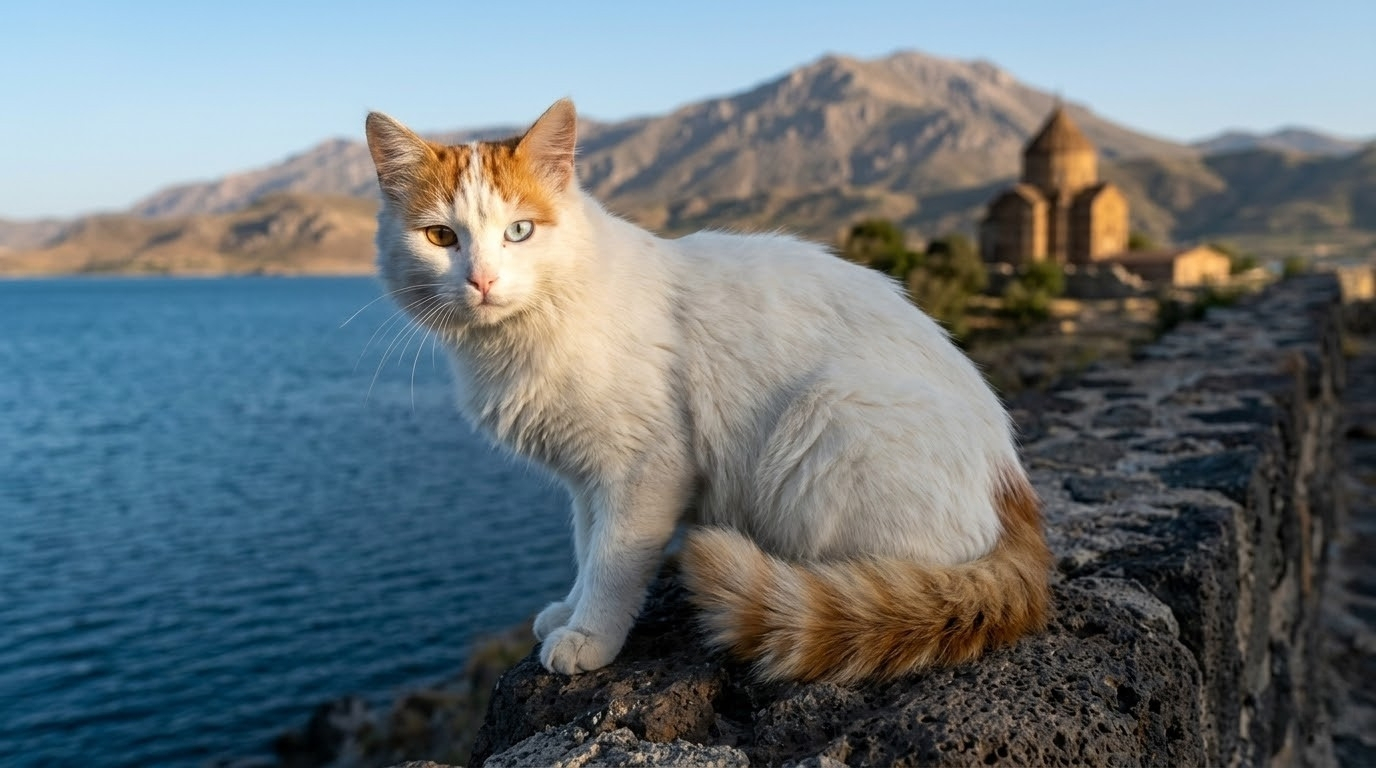
The Turkish Van comes from the rugged, mountainous region around Lake Van in eastern Turkey. This is a land of extremes: brutal winters, blazing summers, and terrain that doesn’t forgive weakness. Legend has it that Van cats were aboard Noah’s Ark — and when it landed on Mount Ararat, they leapt off and swam to shore through the receding floodwaters. That’s supposedly why they have those distinctive colored markings on their heads and tails, a marking locals lovingly call the “Thumbprint of God.”
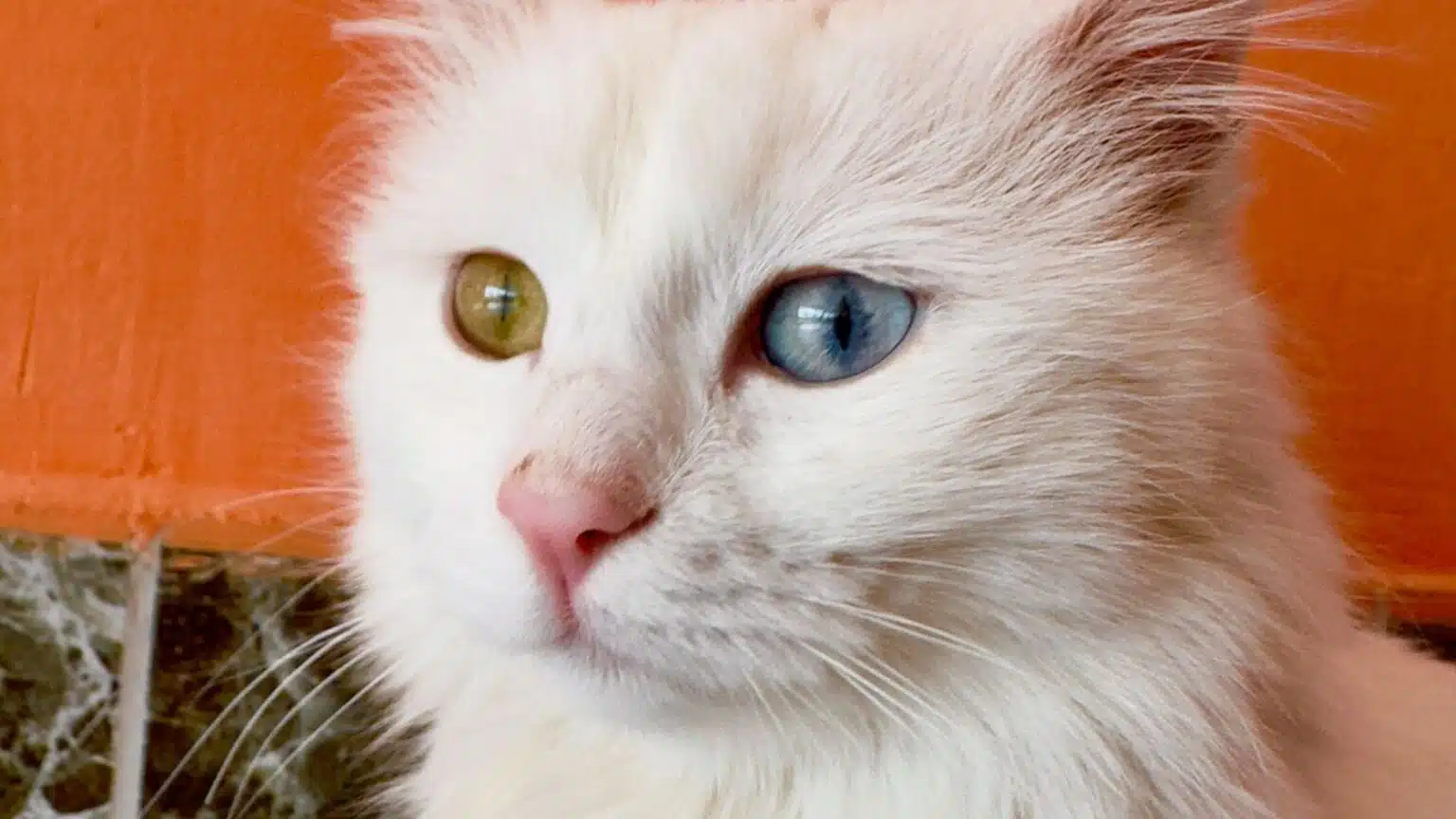
The Turkish Angora has a very different story. Born in central Anatolia — around Ankara, then known as Angora — these cats weren’t surviving the wilderness. They were charming royalty. By the 16th century, Angoras had already made their way into the courts of European aristocrats. Marie Antoinette reportedly adored them. King Louis XV kept them as prized companions. They were, in every sense of the word, luxury animals.
The Turkish Van: The Rugged Athlete
If the Turkish Van were a person, they’d be the one who signs up for a triathlon just for fun — then wins it. They are one of the rare truly natural breeds in the world, meaning they weren’t shaped by human breeding programs. Nature did all the work.
The Swimming Cat
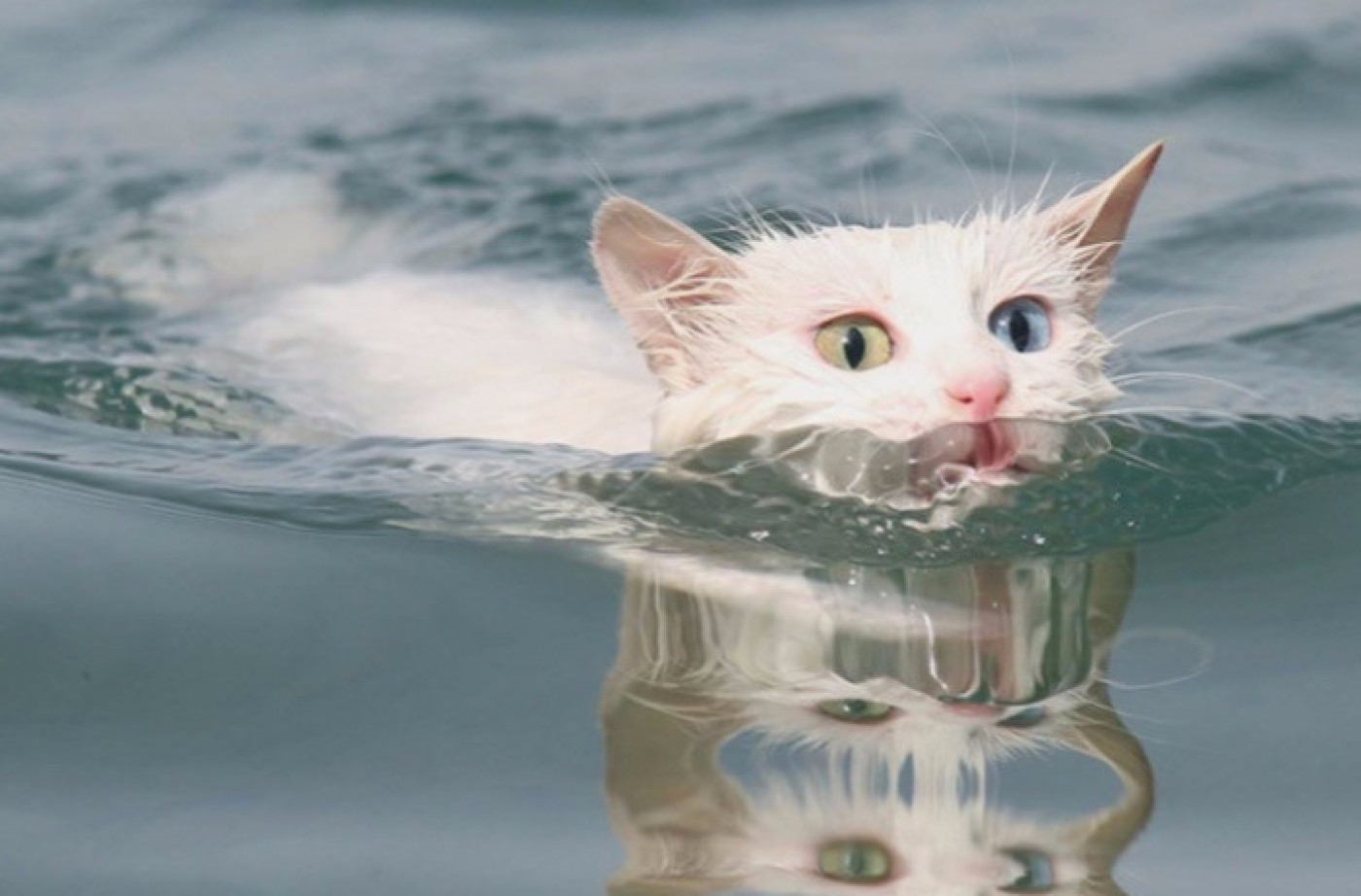
Here’s the thing that surprises most people: Van cats actually like water. Not tolerate it — genuinely like it. While most cats treat a splash of water like a personal attack, the Van will happily dip a paw in, chase a dripping faucet, or try to join you in the bathtub.
It makes sense when you think about it. These cats evolved near a lake. Over generations, they developed a water-resistant coat — soft as cashmere but with a texture that repels moisture, so they dry off surprisingly fast. It’s one of those quirks that makes them endlessly entertaining to live with.
Built Like an Athlete
The Van is a big, solid cat — broad-shouldered and muscular with a substantial feel to them. Their fur is long but they don’t have an undercoat, which means it’s much less prone to matting than you’d expect. And that tail? Enormous and gloriously fluffy, carried like a flag wherever they go.
Loyal to the Core
Van cats are often described as dog-like, and it’s a fair comparison. They don’t want to sit across the room and look pretty — they want to be in the middle of whatever you’re doing. They’re smart enough to learn tricks, walk on a leash, and yes, figure out how to open doors (something to keep in mind if you have a pantry). They tend to bond deeply with one or two people and will follow them from room to room like a furry shadow.
The Turkish Angora: The Silky Aristocrat
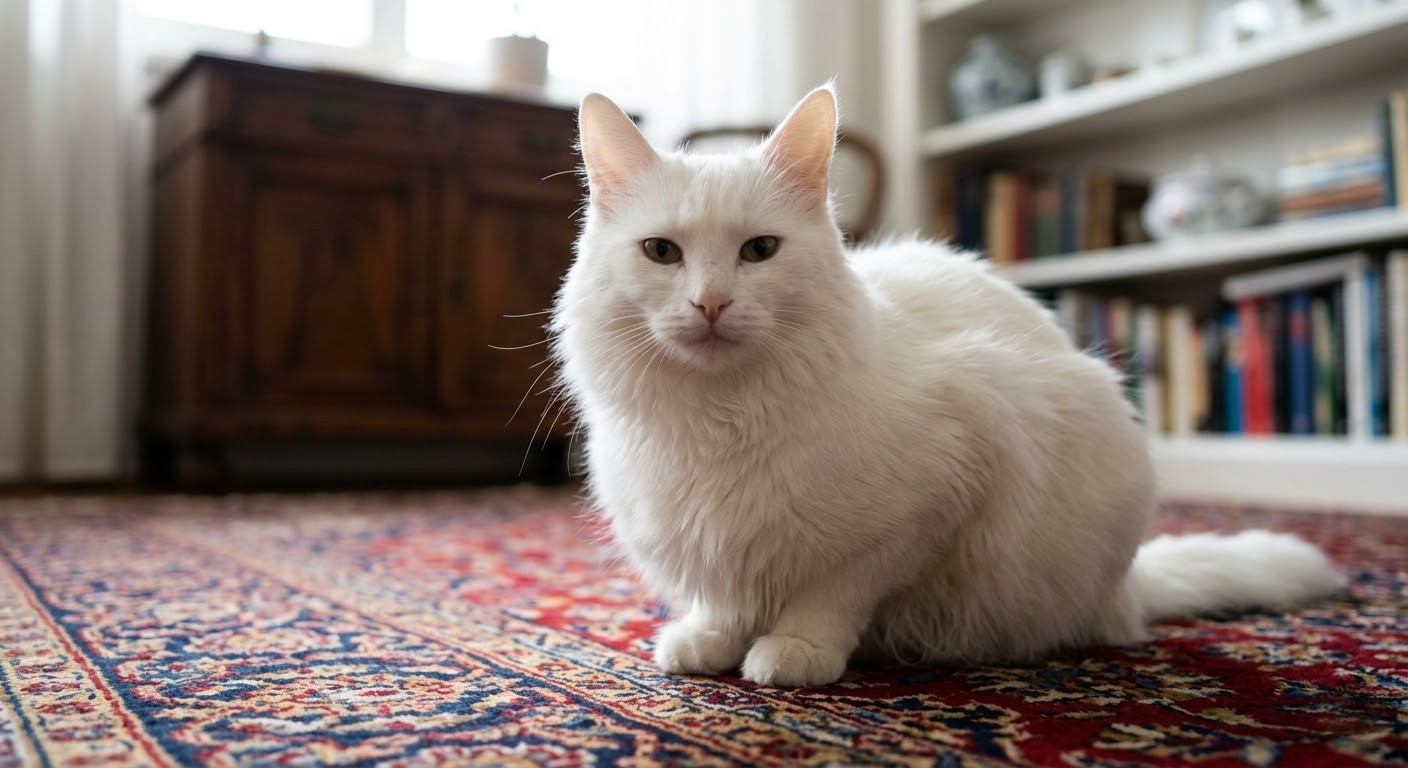
If the Van is an athlete, the Angora is a prima ballerina. Elegant, graceful, and very much aware of how beautiful they are.
That Coat
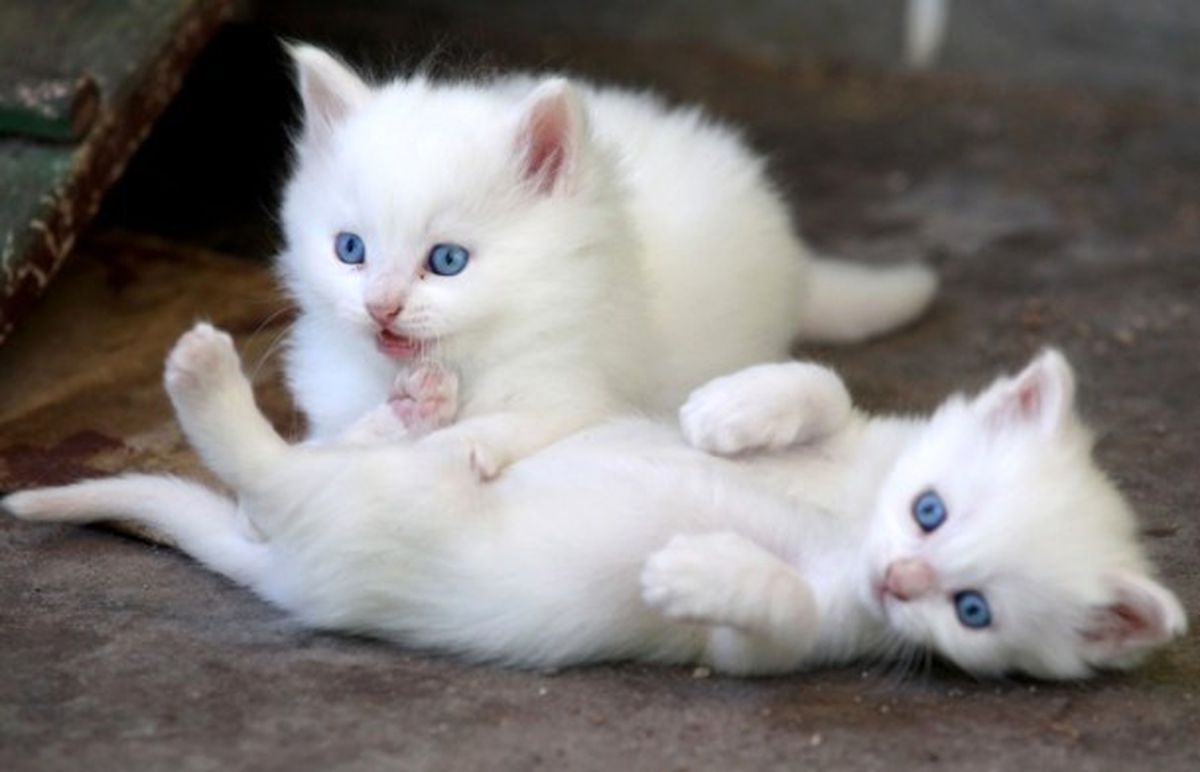
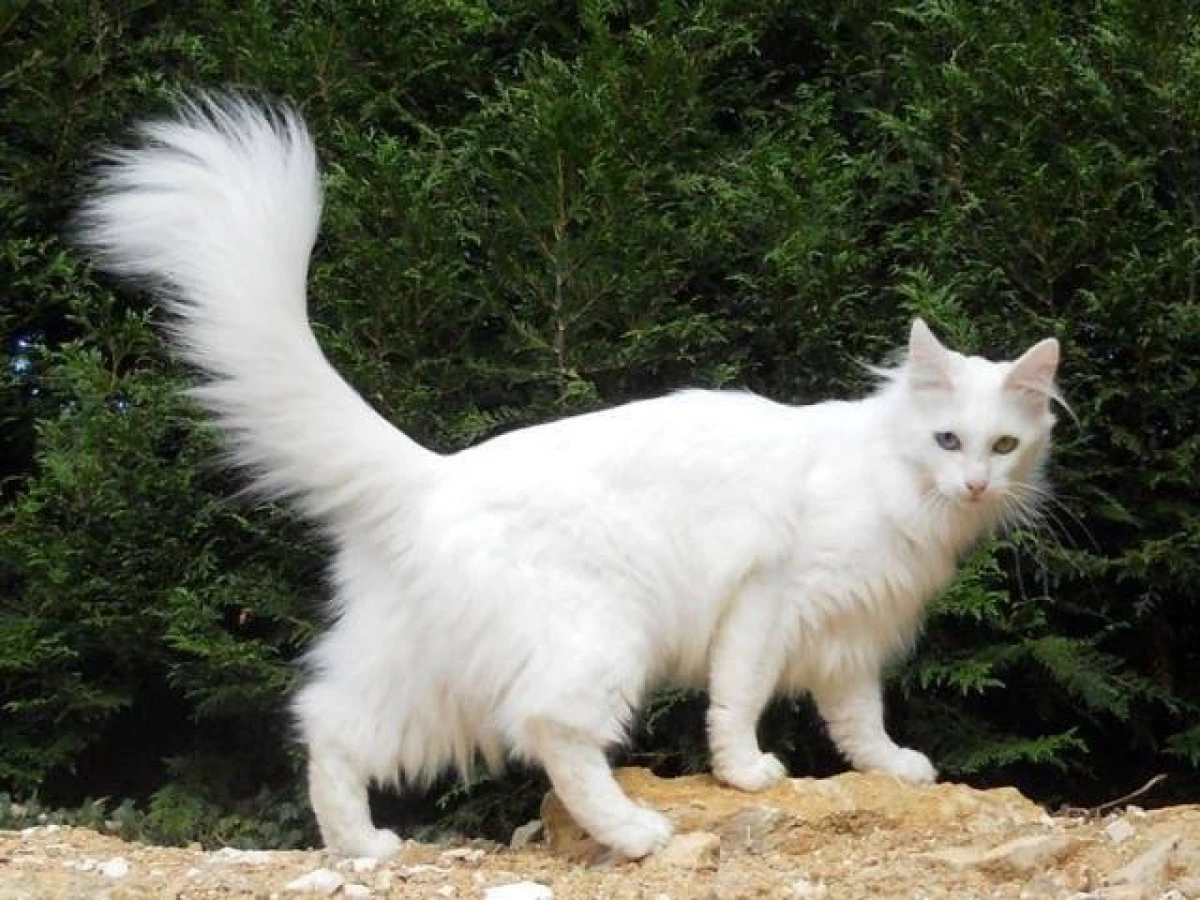
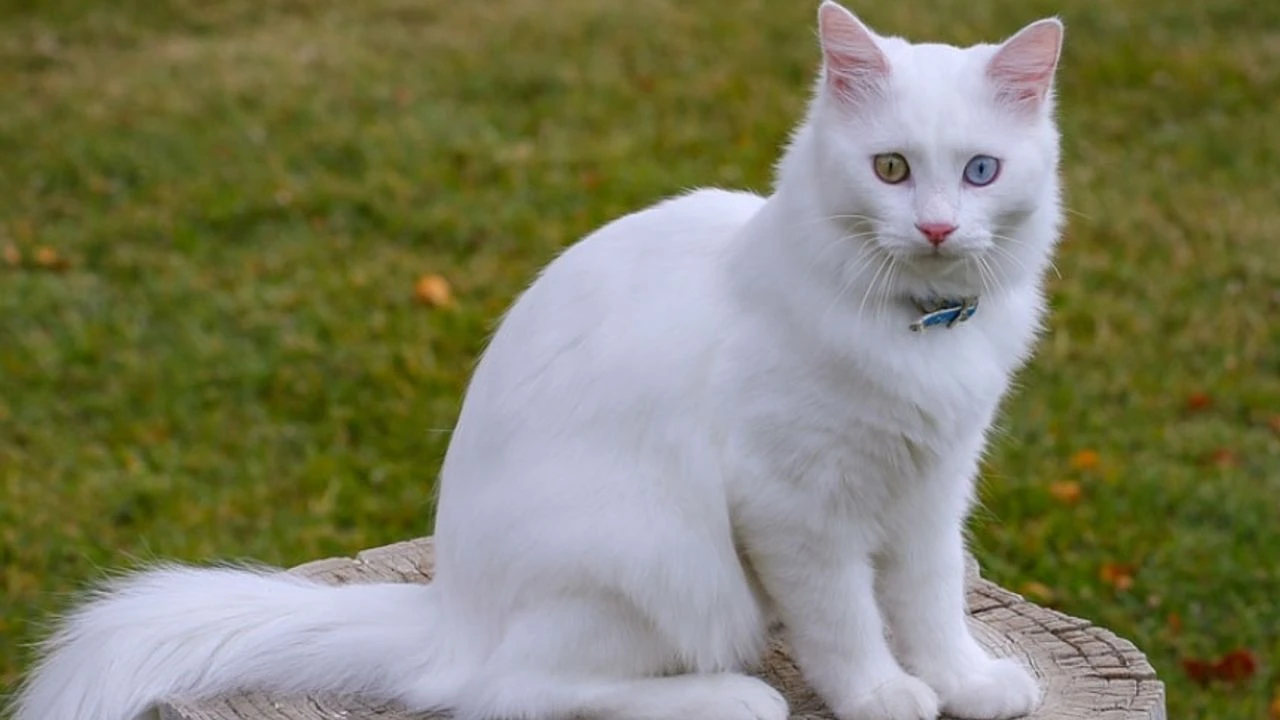
The first thing you notice is the fur — impossibly silky, fine, and flowing. The classic image is a shimmering white Angora with odd eyes (one blue, one amber), and it’s a striking look. But Angoras actually come in a wide range of colors: black, blue, tortoiseshell, and more. White just tends to get all the attention.
Don’t Mistake Grace for Passivity
Here’s where people get fooled. The Angora looks delicate, but they run the house. If you bring an Angora into a home with other pets, give it a week — they’ll have established the pecking order. They’re confident, clever, and love high vantage points. The top of the bookshelf, the highest cabinet, the tallest piece of furniture — that’s their throne, and they know it.
Sociable, But On Their Own Schedule
Angoras love people. They just prefer to show it on their own terms. Don’t expect a lap cat — expect a cat who sits on the arm of your chair, perches on your keyboard while you’re trying to work, and chirps at you when dinner is five minutes late. They’re vocal, expressive, and very good at making sure you haven’t forgotten about them.
Van vs. Angora: The Quick Breakdown
| Feature | Turkish Van | Turkish Angora |
|---|---|---|
| Body Build | Large, muscular, sturdy | Small to medium, fine-boned, elegant |
| Coat Texture | Cashmere-like, no undercoat, water-resistant | Silky, fine, single coat |
| Face Shape | Wedge-shaped but rounded | Small to medium wedge, very refined |
| Energy Level | High — athletic and powerful | High — active and acrobatic |
| Water Preference | Loves it, borderline obsessed | Indifferent, like most cats |
| Social Style | Deeply loyal, follows you everywhere | Affectionate, but independent and bossy |
Living with a Turkish Legend: What to Expect
Owning one of these cats is a different experience than living with your average domestic shorthair. These are natural breeds — shaped by centuries of real-world survival — and that shows in their intelligence and energy levels.
Exercise and Mental Stimulation
Neither of these cats is going to spend their days curled up ignoring you. They need stimulation, and if you don’t provide it, they’ll create their own fun — usually at the expense of your bookshelves or kitchen cabinets.
For a Turkish Van, think interactive toys that tap into their hunting instincts, or even a shallow tub of water with some floating toys. Yes, really — they’ll love it. For a Turkish Angora, the priority is vertical space. Cat trees, wall-mounted shelves, high perches — these aren’t optional luxuries, they’re necessities. An Angora without somewhere to climb is an Angora looking for trouble.
Grooming
Here’s a pleasant surprise: despite all that flowing fur, both breeds are relatively easy to maintain. Because neither has an undercoat, their coats don’t tangle nearly as much as a Persian’s or a Maine Coon’s. A good brush once or twice a week keeps them looking their best. During shedding season — spring and fall — you’ll want to bump that up to daily to stay ahead of the fur tumbleweeds.
Health and Longevity
These cats are tough. As natural breeds, they tend to be hardy and resilient, with many living well into their late teens or even early twenties.
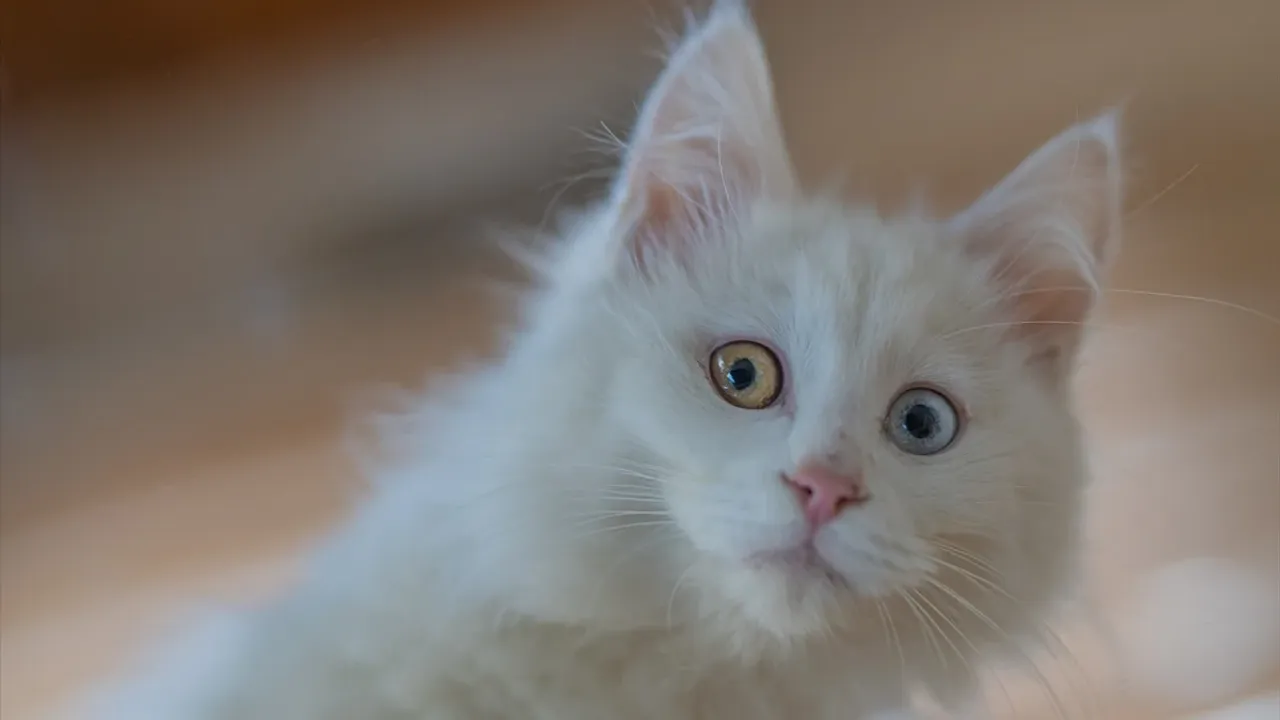
One thing worth knowing: white cats with blue eyes have a higher chance of being deaf, and this applies to both the Angora and the Van. It’s not a guarantee, and responsible breeders — including the Ankara Zoo’s dedicated Angora program — actively work to preserve healthy bloodlines. A deaf cat can absolutely live a happy, full life, especially in a safe indoor environment. It’s just something to be aware of going in.
Why Turkey Treasures These Cats
In Turkey, the Van and the Angora aren’t just beloved pets — they’re living pieces of national identity.
The Turkish Van is so culturally significant that the government established the Van Cat Research Center specifically to protect its pure bloodline. Drive into the city of Van and the first thing you’ll see is a massive statue of a Van cat welcoming you at the entrance. That’s not something a country does for just any animal.
The Angora carries equal weight in Ankara. The city’s zoo has been running a dedicated breeding program for decades to ensure the original Angora line never disappears. These efforts aren’t about nostalgia — they’re about preserving something genuinely irreplaceable.
When you bring one of these cats into your home, you’re not just adopting a pet. You’re becoming a custodian of a lineage that has survived harsh Anatolian winters, shifting empires, and thousands of years of history.
Final Thoughts: Which One Is Your Vibe?
It really comes down to what kind of companion you’re looking for.
If you want an adventurous, athletic cat with a big personality and zero fear of water — a cat who might genuinely try to join you in the pool — the Turkish Van cat is your match.
If you’d rather share your home with a sophisticated, sharp-minded aristocrat who will quietly but firmly take charge of the entire household, the Turkish Angora cat is calling your name.
Either way, you’re signing up for a life filled with intelligence, beauty, and a charm that’s uniquely Turkish. These cats don’t just live alongside you — they weave themselves into your daily life. And once you’ve been loved by a Turkish cat, it’s hard to imagine settling for anything less. Also check out our another great article about Istanbulian Cats! Capital of the Cats: Istanbul