 Discover all about Turkish People & Turkey! The most detailed information about Turkish Culture & Turkey, contents, topics of interest & much more…
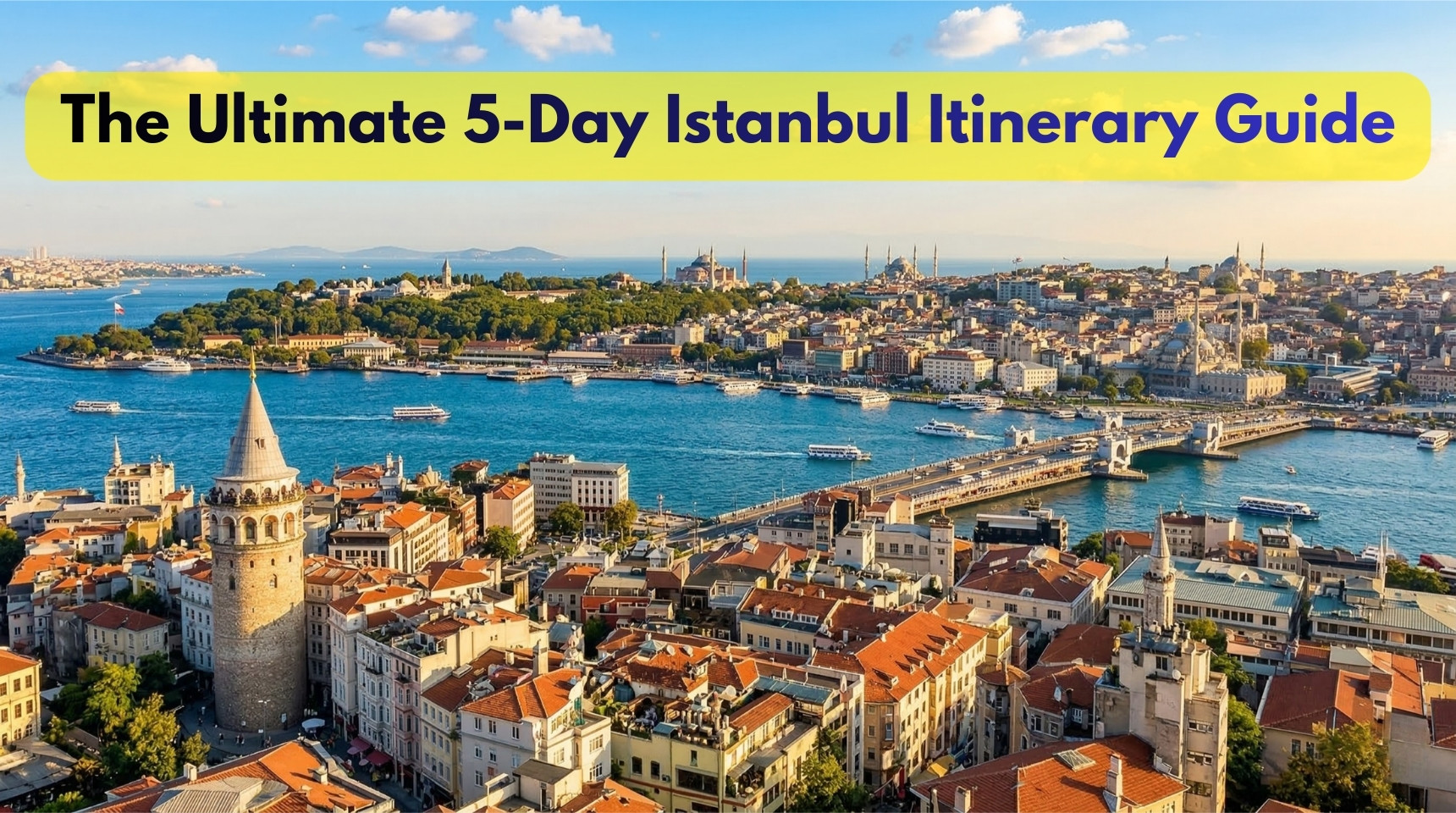
In this article, I will tell you about the places you absolutely must see during your 5-day trip to Istanbul. Five days is certainly not enough time to explore a huge and fascinating city like Istanbul. However, I will focus on the places you absolutely must see before leaving this city within this short period.
“Napoleon Bonaparte once said, ‘If the Earth were a single state, Istanbul would be its capital.’ Stepping off the plane and into this megalopolis, you immediately understand why. Istanbul is not just a city; it is a dizzying, beautiful, and chaotic collision of two continents, three empires, and fifteen million stories. It is where the call to prayer from a 16th-century mosque merges with the bass drop of a rooftop bar, and where a centuries-old ferry carries you from Europe to Asia for the price of a simit.
Planning five days here can feel like trying to map a dream. The sheer density of history, culture, and, let’s be honest, incredible food, can be overwhelming. Don’t try to see it all; you can’t. Instead, this itinerary is designed to help you feel it all. It’s a roadmap I’ve crafted from countless hours wandering these seven hills, blending the ‘must-sees’ with the ‘must-feels.’ Pack your most comfortable walking shoes and bring an open heart. By the end of Day 5, you won’t just have visited Istanbul; a part of it will be in your soul forever.”
Preparation is Key
Before we start our engines, a few local tips to make your trip smooth:
IstanbulKart: This is non-negotiable. Get one at the airport or any major transit hub. It works on buses, trams, ferries, and the metro. It’s the key to the city.
Dress Code: While Istanbul is modern, mosques are active places of worship. Women should carry a light scarf to cover their heads, and everyone should cover their shoulders and knees. (Only if you want to go inside the mosques.)
Stay Connected: Grab a local SIM card or an eSIM. Having Google Maps and a translation app is invaluable.

Day 1: The Imperial Heartbeat (Sultanahmet)
We begin where it all started. Today is about the monumental history that defined the world.
Hagia Sophia (Ayasofya)
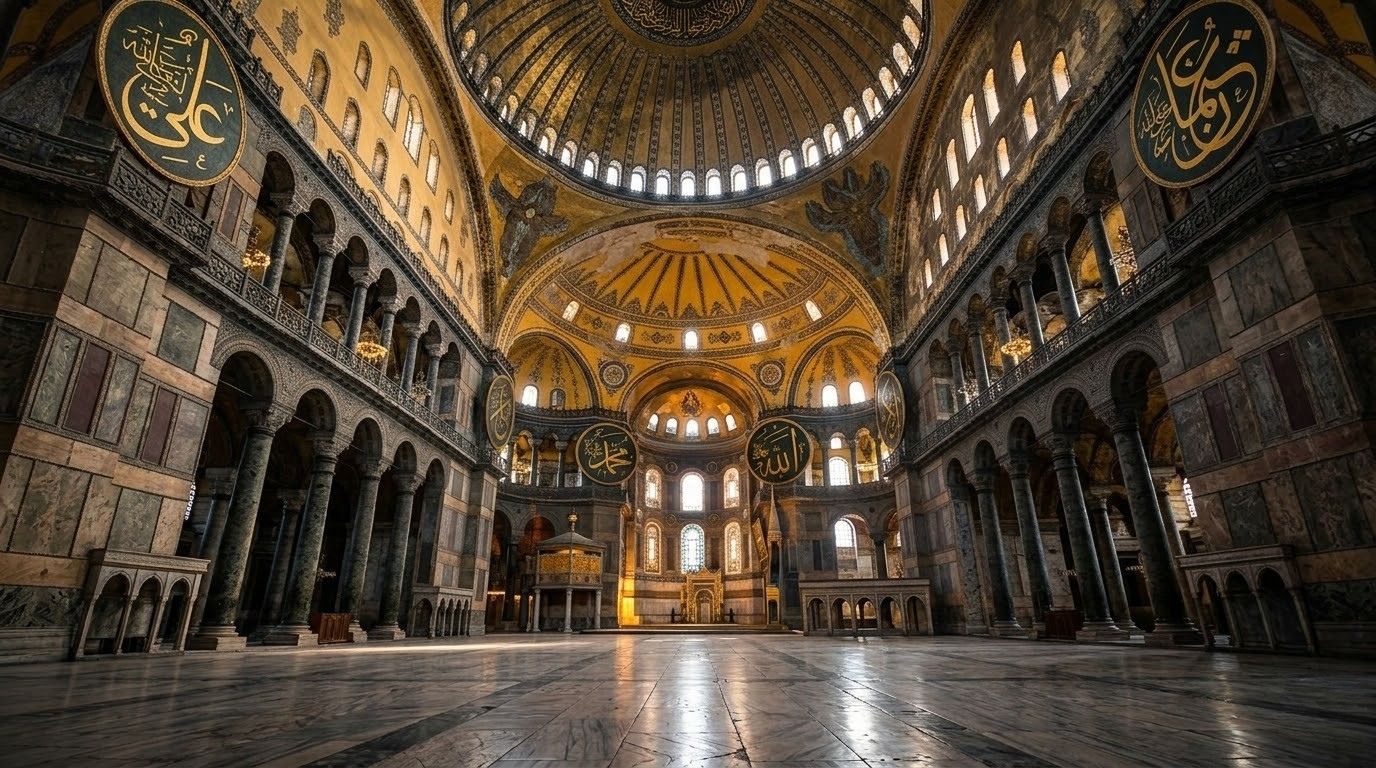
Start your day at 8:30 AM sharp to avoid the lines that define this monument. The Hagia Sophia is an architectural miracle. Built as a Byzantine church in the 6th century, its massive dome was the largest in the world for a thousand years. It later became a mosque, then a museum, and is now a mosque again. When you step inside, look up. The blend of Islamic calligraphy and gold Byzantine mosaics (many of which are currently covered but some are visible) creates a spiritual tension that is unique to Istanbul.
The Blue Mosque (Sultan Ahmed Mosque)
Just across the square, its six minarets cut an iconic silhouette against the sky. While the exterior is grand, the interior is why it’s famous. It’s covered in over 20,000 handmade Iznik tiles, mostly in blue and turquoise. Local Tip: The mosque is closed to visitors during prayer times (five times a day). Check the times before you go and plan your visit accordingly.
Basilica Cistern (Yerebatan Sarnıcı)
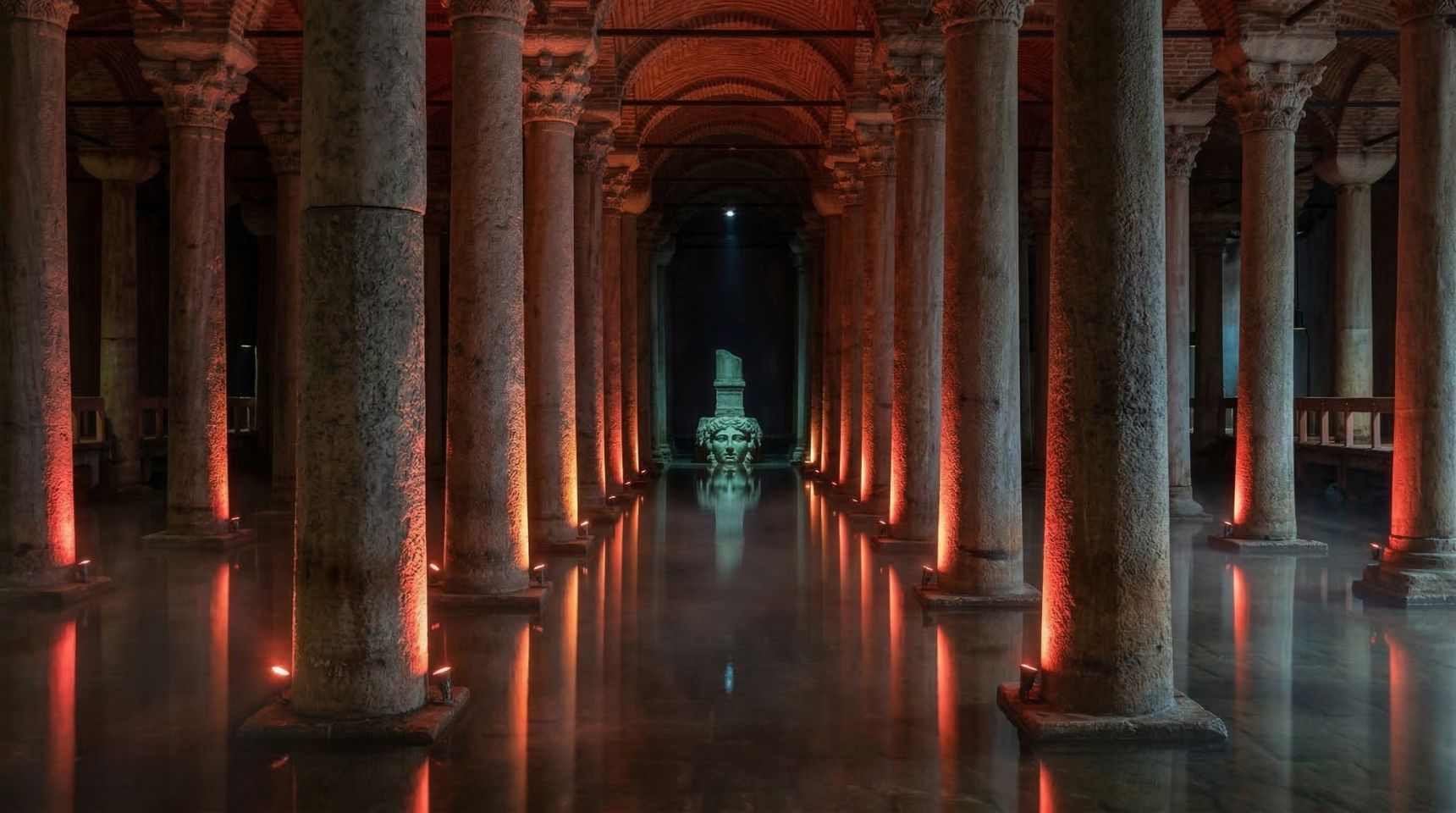
Escape the heat and go underground into this eerie, column-filled space. Built by Byzantine Emperor Justinian I, it once held the city’s water supply. The atmosphere is otherworldly, with soft red lighting, classical music echoing, and 336 marble columns. Merak Uyandıran Detay: Look for the two Medusa heads reused as column bases at the far corner. No one knows for sure why they are there or why they are upside down, but they add to the mystery.
Lunch at Sultanahmet Köftecisi
You must eat the quintessential Sultanahmet lunch. This historic restaurant (established in 1920) has a very simple menu: köfte (grilled meatballs), piyaz (bean salad), and ayran (the salty yogurt drink). It’s fast, cheap, and authentically delicious.
Topkapi Palace (Topkapı Sarayı)
Spend the afternoon wandering through the opulent home of the Ottoman Sultans for nearly 400 years. It’s not a single building but a series of beautiful courtyards and pavillions. Don’t miss:
The Harem: The private quarters where the Sultan’s family and concubines lived. It requires an extra ticket, but the tile work and architecture are the most beautiful in the complex.
The Treasury: Home to the infamous Topkapi Dagger and the Spoonmaker’s Diamond (the 4th largest in the world).
The Terrace View: The views of the Bosphorus meeting the Golden Horn from the fourth courtyard are unforgettable.
Dinner at Pandeli
End your first day with a touch of historic glamour. Pandeli is located inside the Spice Bazaar (above the entrance) and has been serving traditional Ottoman cuisine since 1901. The blue tiled walls and view of Eminönü create the perfect atmosphere for your first major Turkish dinner. Try the Hünkar Beğendi (Sultan’s Delight)—creamy eggplant purée topped with stewed lamb.
Day 2: The Art of the Deal & The Silent Mosque
Today is about the sights, sounds, and smells of trade that have pulsed through this city for centuries.
The Grand Bazaar (Kapalıçarşı)
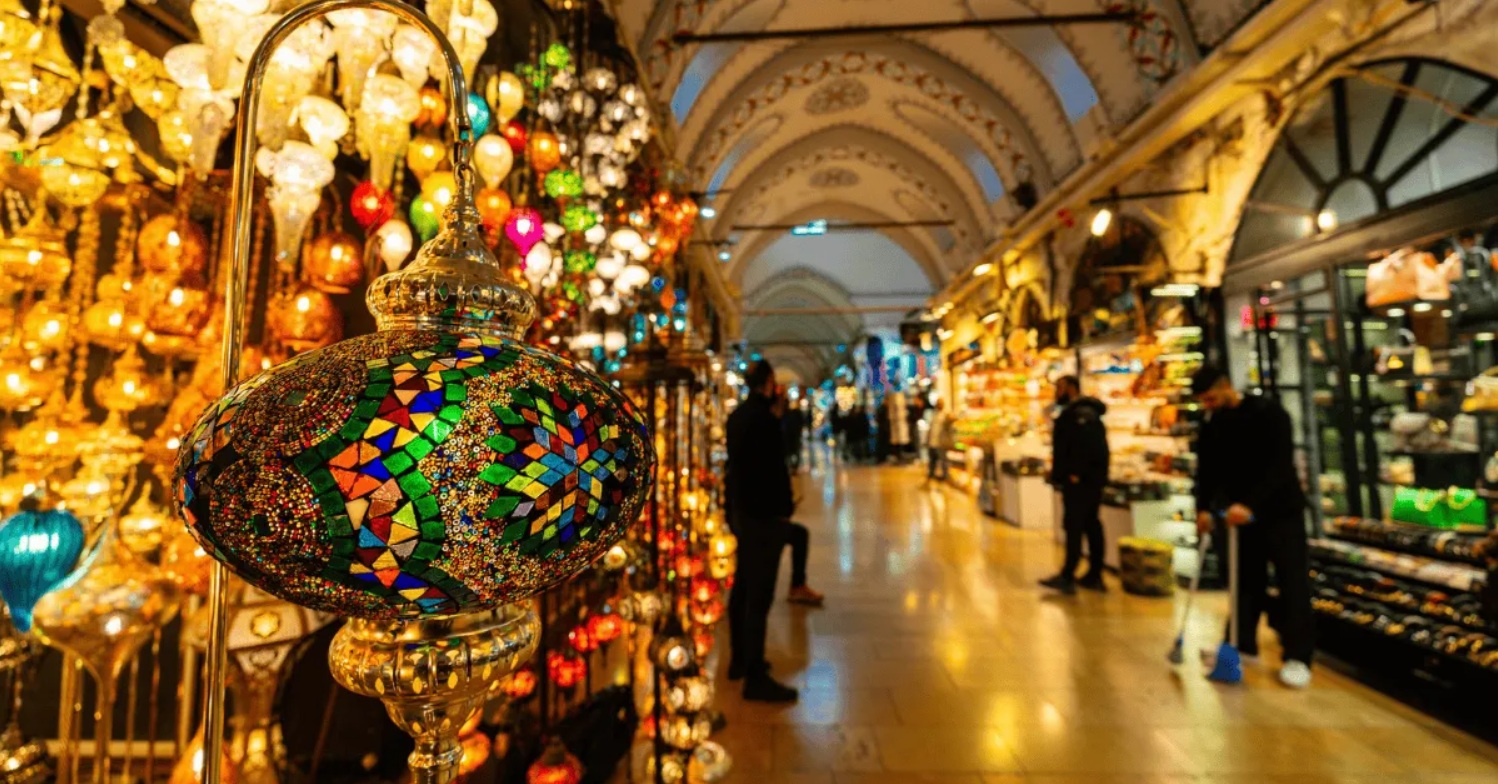
One of the largest and oldest covered markets in the world, with over 60 streets and 4,000 shops. This is not just a shopping destination; it is a living labyrinth. The key to the Grand Bazaar is to get lost. Wander the different ‘hans’ (courtyards) that specialize in specific goods:
Ic Bedesten: The old heart of the bazaar, where the most valuable antiques, jewelry, and arms were traded.
Sahaflar Çarşısı: The old book market just outside the Fesçiler gate.
Local Tip: When you see something you like, never accept the first price. Bartering is an art form here. Start at about 40% of their offer and work your way up. It’s expected and is part of the cultural experience.
Süleymaniye Mosque (Süleymaniye Camii)
This is my favorite mosque in Istanbul. Perched on one of the seven hills, it was designed by Mimar Sinan, the greatest Ottoman architect, for Sultan Süleyman the Magnificent. It is a masterpiece of light and space. Unlike the Blue Mosque, it is peaceful and far less crowded. The massive dome feels lightweight, and the acoustics are incredible.
The Best View: Wander to the terrace behind the mosque. It offers, without a doubt, the best panoramic view of the Golden Horn and the Bosphorus bridges.
Lunch: Kuru Fasulye at Ali Baba
Just outside the Süleymaniye mosque complex, you’ll find a row of small restaurants specializing in one thing: Kuru Fasulye (stewed white beans). Ali Baba is the most famous. It’s comfort food at its best, served with rice (pilav), pickled peppers, and ayran. This is the meal that fuels the city’s working class.
Spice Bazaar (Mısır Çarşısı)
Head down the hill to the Spice Bazaar, also known as the Egyptian Bazaar because it was built with taxes collected from Egypt. The scent of saffron, cumin, and mint hits you before you enter. This is the place to buy high-quality Turkish delight (look for brands like Malatya Pazarı or Hacı Bekir), dried fruits, nuts, and, of course, spices.
Local Secret: For the best coffee beans, follow your nose to Kurukahveci Mehmet Efendi just outside the market’s entrance. The line is always long, but it moves fast, and the coffee is the freshest in the city.
The Eminönü Ferry & Galata Bridge
Walk out to the Eminönü waterfront. This is the sensory overload that defines the city. Ferries honking, street vendors selling roasted chestnuts and simit, and the iconic Balık Ekmek (fish sandwich) boats. You can grab a sandwich right off the boat, but I prefer to cross the Galata Bridge first. Walk along the lower level, where dozens of restaurants serve fresh seafood with a view of the Sultanahmet skyline.
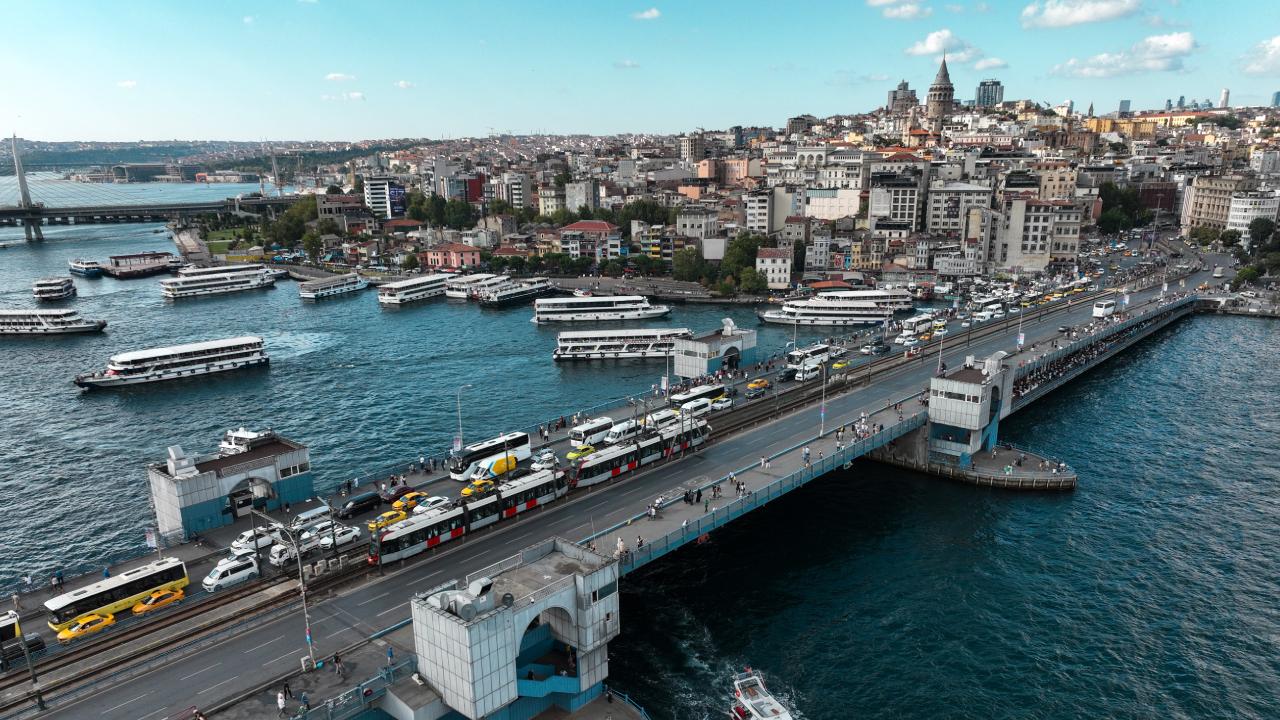
Day 3: The European Pulse & Hidden Beyoğlu
We cross the Golden Horn today to explore the city’s “modern” heart.
Galata Tower
This 14th-century Genoese tower is the landmark of the neighborhood. Climb (or take the elevator) to the top for a 360-degree view. From here, you can trace the journey of the last two days: the entire historical peninsula, the Bosphorus, and the Asian side are all laid out before you. Local Tip: The line can be long. Try to go very early or late afternoon.
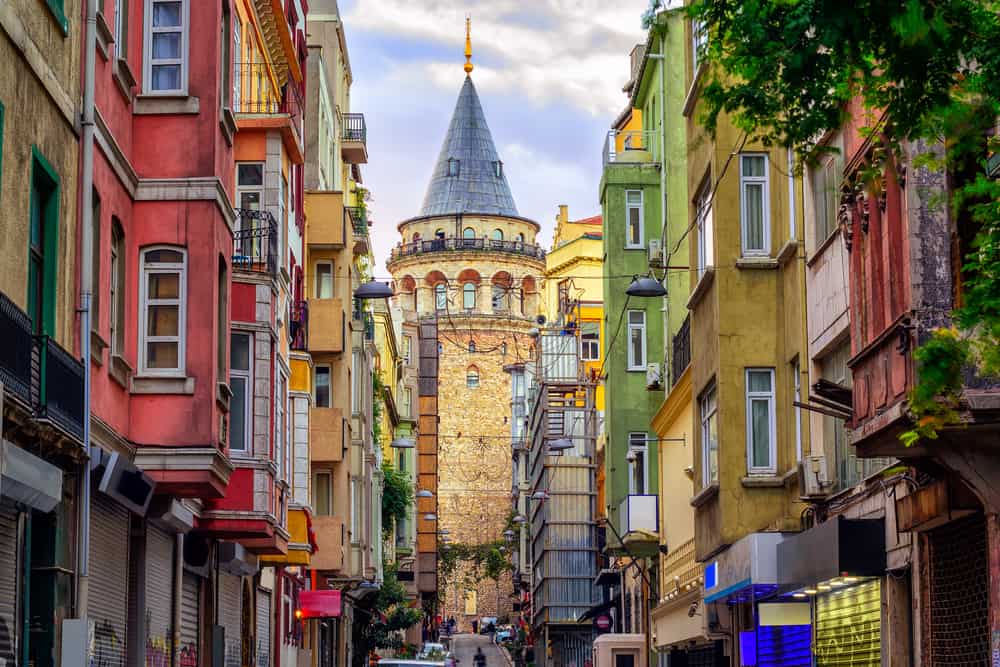
Explore Karaköy
Karaköy has transformed from a rough-and-tumble port neighborhood into the hippest spot in the city. Its narrow streets are now filled with boutique cafes, street art, and design shops. Don’t miss:
Karaköy Güllüoğlu: This is not just baklava; it’s an institution. Established in 1871, it’s the definitive place for pistacchio and walnut baklava. Grab a plate and a tea and enjoy it on the terrace.
The ‘Umbrella Street’ (Hoca Paşa Sokak): A small lane famous for its overhead umbrellas, great for a photo.
Walk up Camondo Stairs & Istiklal Avenue
Skip the vintage funicular (Tünel) and walk up the Camondo Stairs, an elegant Art Nouveau staircase built by a prominent Jewish banking family in the 1870s. This leads you up to the famous Istiklal Avenue. This 1.4km pedestrian street is the pulsing artery of Beyoğlu. You’ll see the vintage red tram rattle down its center, past cinemas, libraries, art galleries, and endless shops.
Hidden Gems of Beyoğlu
This is where we go deep. Don’t just walk down Istiklal; explore its veins.
Çiçek Pasajı (Flower Passage): A stunning 19th-century arcade filled with small restaurants (meyhanes) and tile work. Great for a quick photo and a tea.
Nevizade Street: A narrow lane famous for its dense concentration of meyhanes. The energy here at night is electric.
St. Anthony of Padua Church: The largest Catholic church in Istanbul, a beautiful red-brick neo-Gothic building tucked behind an iron gate on Istiklal.
Explore Cihangir: Just off Istiklal, this is the bohemian-intellectual neighborhood. Steep streets, antique shops, and incredible cafes.

Dinner & Meyhane Culture at Asmalı Cavit
Meyhane culture is essential to Istanbul’s identity. It’s about more than food; it’s about conversation, slow drinking (rakı), and shared plates. Asmalı Cavit (established in 1930) is a legendary meyhane in the heart of Asmalı Mescit.
What to Eat: Start with hot and cold mezes. Don’t miss the Cacık (creamy yogurt with cucumber and garlic), Lakerda (salted bonito), and Arnavut Ciğeri (pan-fried liver). For the main course, try their grilled Lüfer (bluefish) or lamp chops.
Day 4: Crossing Continents (Kadıköy Food Tour)
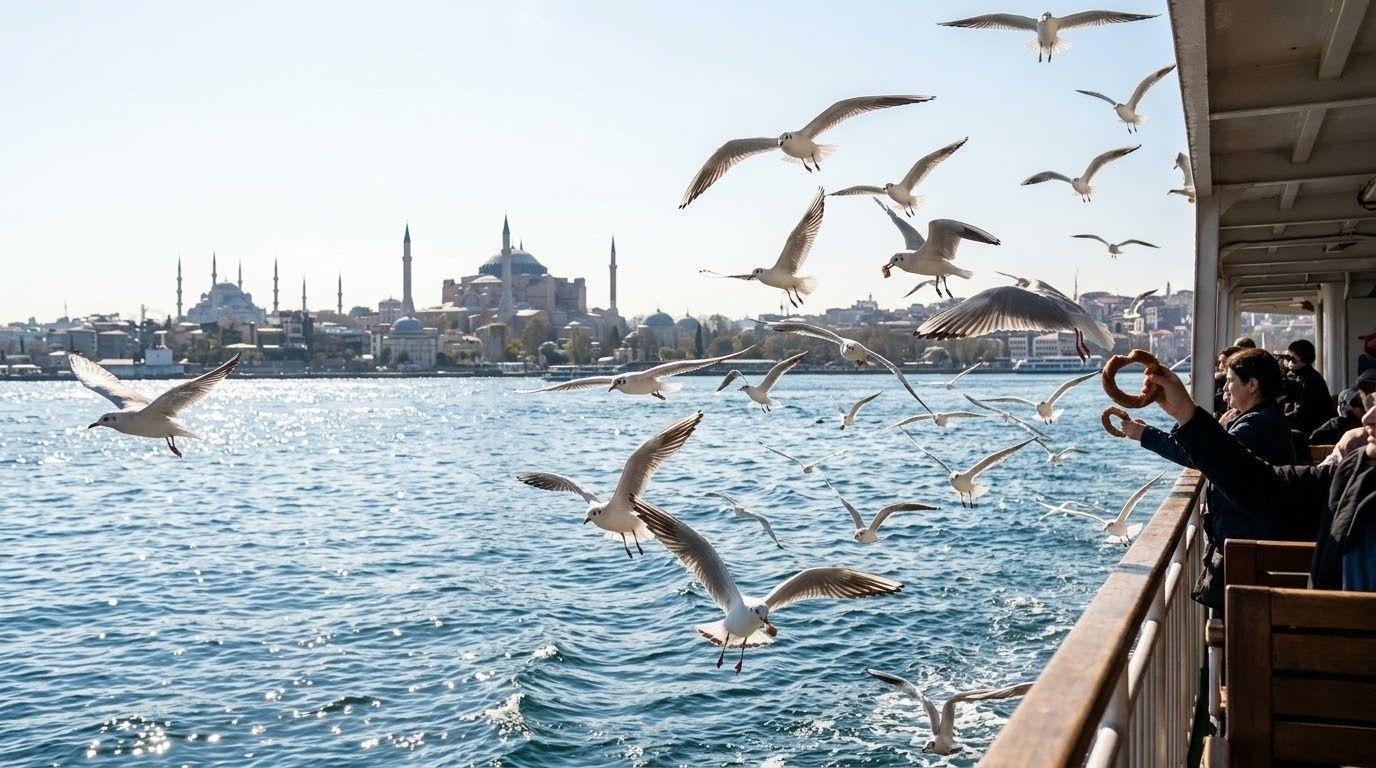
Today, we cross from Europe to Asia. One of the best things to do in Istanbul is leave Europe for a few hours.
The Ferry Ride (The Best Cruise in Town)
Forget the expensive private Bosphorus cruises. The best 20-minute ride you can buy is the public ferry from Eminönü or Karaköy to Kadıköy. Get an outside seat, watch the Maiden’s Tower (Kız Kulesi) glide past, and feed the seagulls with a simit you bought on the pier. When the ferry pulls into the Kadıköy terminal, you’ve arrived in a different city.
Explore Kadıköy Fish Market & Çiya Sofrası
Kadıköy is the younger, cooler, and more relaxed sister to Beyoğlu. Start at the vibrant Fish Market. The colors, sounds, and scents are a feast for the eyes.
Lunch at Çiya Sofrası: This is not a meal; it’s a culinary excavation. Chef Musa Dağdeviren is famous for traveling across Anatolia to discover and preserve forgotten regional recipes. It’s a cafeteria-style restaurant, so just point and choose. Try things you don’t recognize. The flavors are ancient and profound. Must Try: Their Kuru Patlıcan Dolması (stuffed dried eggplant) and regional lamb stews.
Moda Seaside & Tea Gardens
Walk from the bazaar to the neighborhood of Moda. It’s the bohemian heart of Kadıköy. Walk along the tree-lined seaside promenade, which is filled with young people, families, and street musicians.
The Tea Gardens (Moda Çay Bahçesi): Perched on a cliff with a view of the European side, this is the definitive Istanbul moment. Grab a tea, watch the boats, and simply be. Local Tip: Don’t miss ice cream from Ali Usta. The line is always long, but it’s the best in the city.
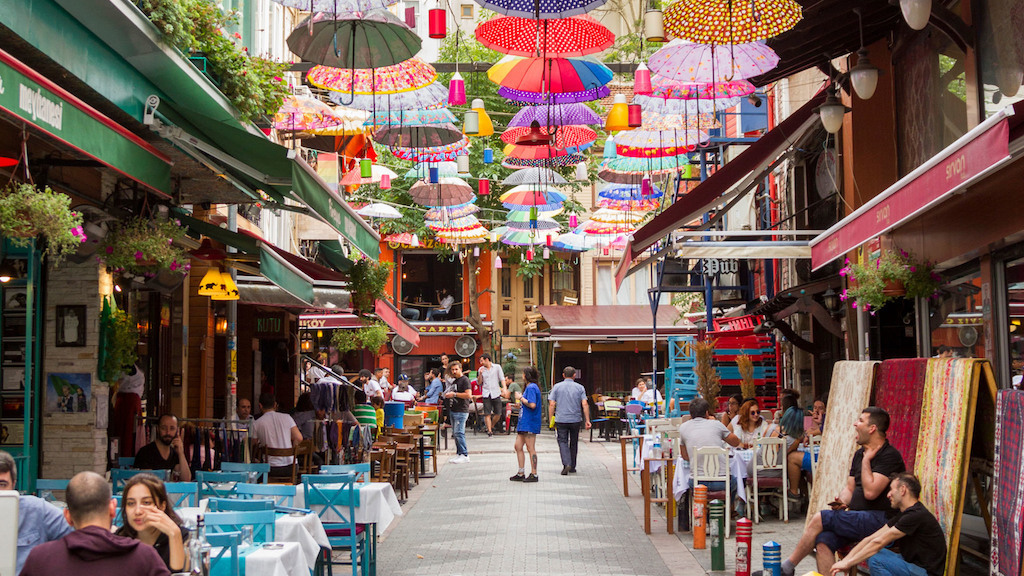
Akmar Passage (The Bookseller’s Paradise)
A narrow, covered passage filled from floor to ceiling with new, used, and rare books in many languages. It’s a goldmine for book lovers and a great example of Kadıköy’s intellectual vibe.
Bar Street (Kadife Sokak) & Dinner at Viktor Levi
By evening, Kadıköy’s “Bar Street” comes alive. The energy is young and creative. For dinner, Viktor Levi is a beautiful historic wine house (established in 1914) that feels like a quiet oasis in the chaotic heart of the neighborhood. It’s a great place to try local Turkish wines.
Day 5: Bosphorus Breeze & The Grand Finale
End your trip with the soul of the city—the water.
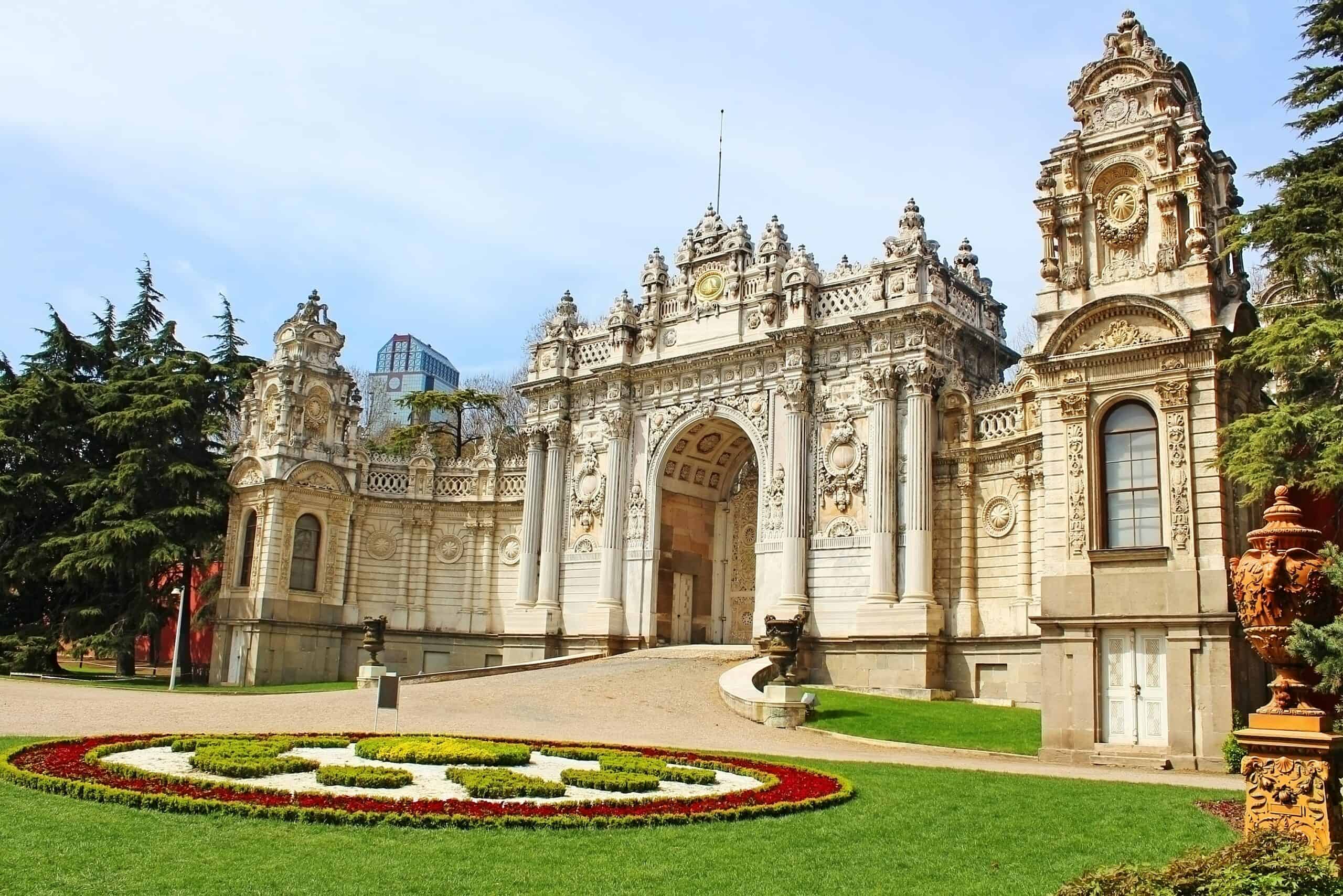
Dolmabahçe Palace
While Topkapi is a classic Ottoman home, Dolmabahçe is about 19th-century European-style luxury. Built by Sultan Abdülmecid I, it’s a dizzying mix of Baroque, Rococo, and Neoclassical architecture.
Don’t Miss: The massive Bosphorus-side ceremonial hall with the world’s largest Bohemian crystal chandelier, a gift from Queen Victoria. Local Secret: This palace is where Mustafa Kemal Atatürk, the founder of modern Turkey, spent his final days and passed away. You can visit the room where he died; the clock is still set to the exact time.
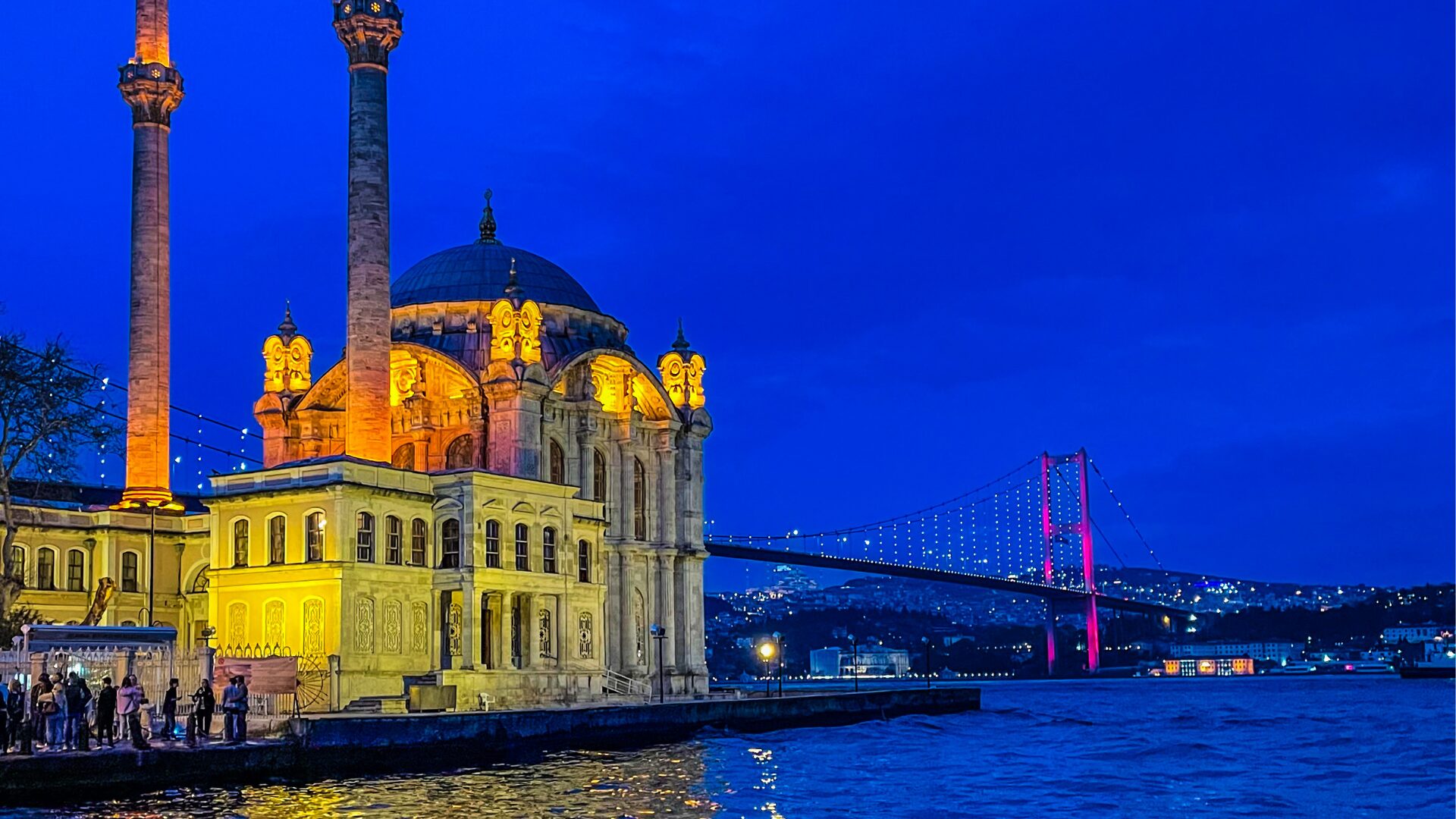
Ortaköy Mosque & Kumpir
This is one of the most iconic views in Istanbul. A small, beautifully ornate mosque perched right on the water, with the Bosphorus Bridge (the first one to connect the continents) arching over it. It’s the perfect blend of tradition and modernity.
What to Eat: You cannot visit Ortaköy without eating a Kumpir. It’s a massive baked potato that is mashed with cheese and butter, then topped with an unlimited selection of everything from olives to corn to sausages. Find a bench by the water and enjoy it with a view.
Bosphorus Sunset Cruise
As your trip winds down, take a private or a formal sunset cruise on the Bosphorus. Seeing the city from the water as the sun dips below the horizon, painting the mosques and yalis (historic wooden waterfront mansions) in golden light, is a transformative experience.
Final Dinner in Arnavutköy
Arnavutköy is a historic neighborhood famous for its wooden houses and incredible seafood restaurants. It’s upscale and authentic. End your trip with a celebratory dinner at one of the many seafood places, like Arnavutköy Balıkçısı. Share a final rakı, enjoy the freshest catch, and toast to the city that has, I promise, captured your heart.
Conclusion: Feeling Born Again
“Five days in Istanbul is just enough to realize how much you have left to see. This city is a living, breathing being that requires countless visits to truly understand. Yes, you’ve walked the historical halls, bartered in the bazaar, and crossed continents, but the real magic of Istanbul is what you feel in between these moments. It’s the warmth of the tea glass in your hand, the distant call to prayer, and the feeling that you are walking on layers of human history. So, use this guide as your roadmap, but I promise, the best moments will be the ones where you get lost. You can thank me later.”
“My absolute favorite way to ‘get lost’ in Istanbul is wandering through the bohemian cafes of Cihangir in Beyoğlu, soaking in that colorful, artistic vibe. And when I need a change of pace, I love heading over to the Asian side to walk along Bağdat Avenue—it has a unique energy that feels both sophisticated and local. Each street in this city tells a different story. I hope you find your own favorite corner in these vibrant neighborhoods.”
Also, don’t forget to check out the most interesting and mystical places to visit in Türkiye! The Best Places In Turkey To Visit! The Most Interesting & Mystical Places!
FAQ: Planning Your Perfect 5 Days in Istanbul
Is 5 days enough for Istanbul?
Absolutely. While you could spend a lifetime exploring Istanbul, 5 days is the “sweet spot.” It allows you to see the major imperial sights in Sultanahmet, explore the modern vibes of Beyoğlu, cross over to the Asian side (Kadıköy), and still have time for a relaxing Bosphorus cruise without feeling rushed.
How much is the IstanbulKart in 2026 and where can I buy it?
The IstanbulKart is the only way to pay for public transport. As of 2026, you can purchase it at the “Yellow Vending Machines” (Biletmatik) at Istanbul Airport, Sabiha Gökçen Airport, and all major metro/ferry stations. The card itself costs a small fee, and you can top it up with credits as you go.
What is the best area to stay in Istanbul for first-timers?
For history lovers, Sultanahmet is the best choice as you’ll be within walking distance of the Blue Mosque and Hagia Sophia. However, if you prefer a vibrant nightlife and trendy cafes, Beyoğlu (near Galata or Cihangir) or Karaköy are much more exciting and offer better transport links to the rest of the city.
Can I visit mosques during prayer times?
No, mosques are closed to tourists during the five daily prayer times. On Fridays, they are also closed for the noon congregational prayer. It’s best to visit between mid-morning and mid-afternoon. Always remember to dress modestly and remove your shoes before entering.
Is Istanbul safe for solo female travelers in 2026?
Yes, Istanbul is generally very safe for solo travelers. Like any major megalopolis, it’s important to stay in well-lit, busy areas at night and be aware of your surroundings in crowded places like the Grand Bazaar. Turkish people are famously hospitable and are usually very happy to help if you have questions.